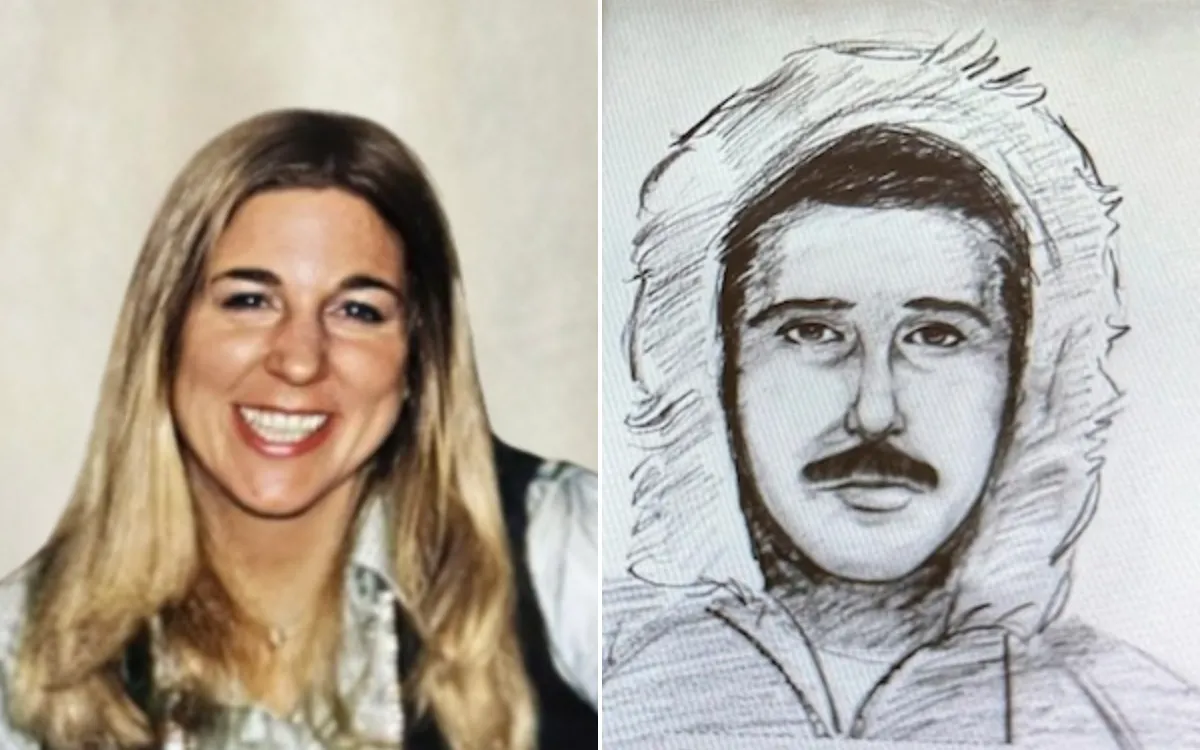
Nassau County Police Department

By Jack Beresford
Senior Reporter
0
Share
Newsweek is a Trust Project member
See more of our trusted coverage when you search.Prefer Newsweek on Googleto see more of our trusted coverage when you search.
More than 50 years later, the suspected killer of a New York mom-of-three has been identified thanks to a breakthrough in DNA analysis.
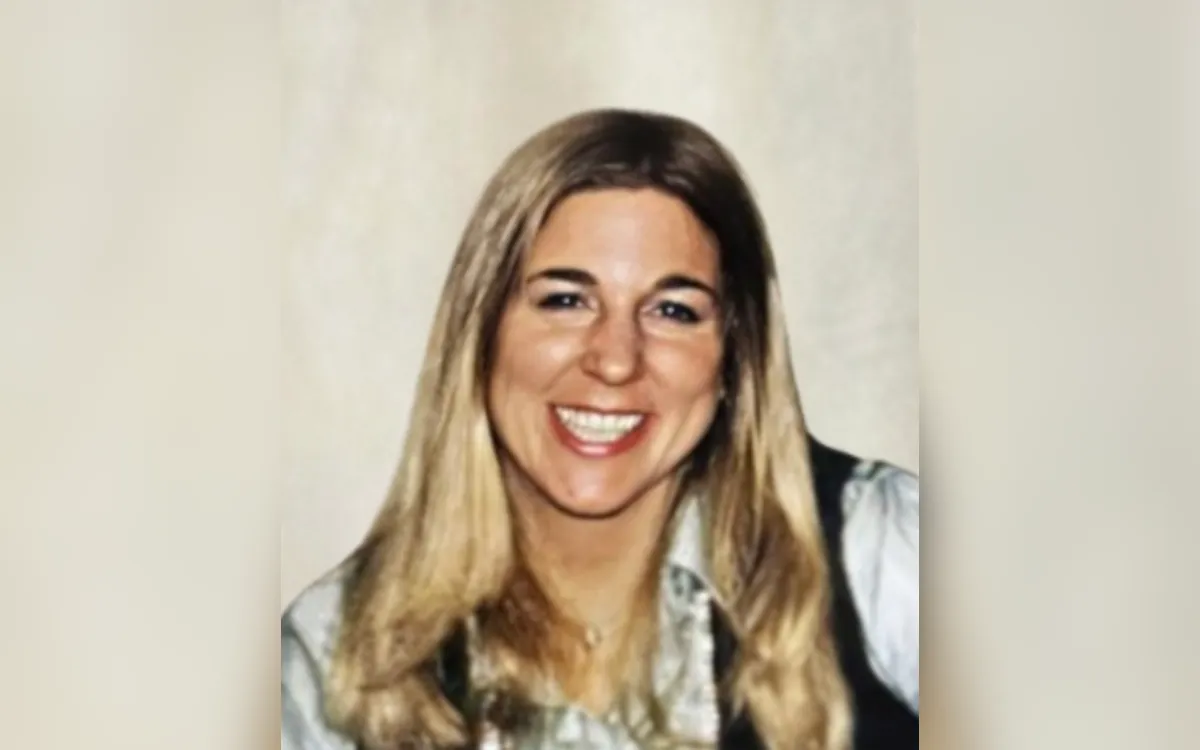
For more than half a century, the murder of 31‑year‑old Barbara Waldman haunted the quiet community of Oceanside, a hamlet on Long Island, in the southern part of the Town of Hempstead, in Nassau County.
On January 11, 1974, Waldman was found dead inside her Colonial-style home on Sally Lane, where she lived with her husband, a dentist, and their three young children. The discovery was made by one of her sons, who had just returned home from his kindergarten class and found his mother lying on the second floor of the house.
Read More on News
Nassau County Police rushed to the scene and quickly determined they were investigating a homicide. Waldman was found next to her bed, dressed in a nightgown and bathrobe, her hands bound behind her with a pair of pantyhose. She had been shot once in the head.
...
The house showed no signs of forced entry or ransacking, and neighbors reported seeing nothing unusual that morning. To those who knew her, Waldman—described as vibrant, friendly, and active in the local Oceanside Cancer Society unit—was an unlikely target for violence.
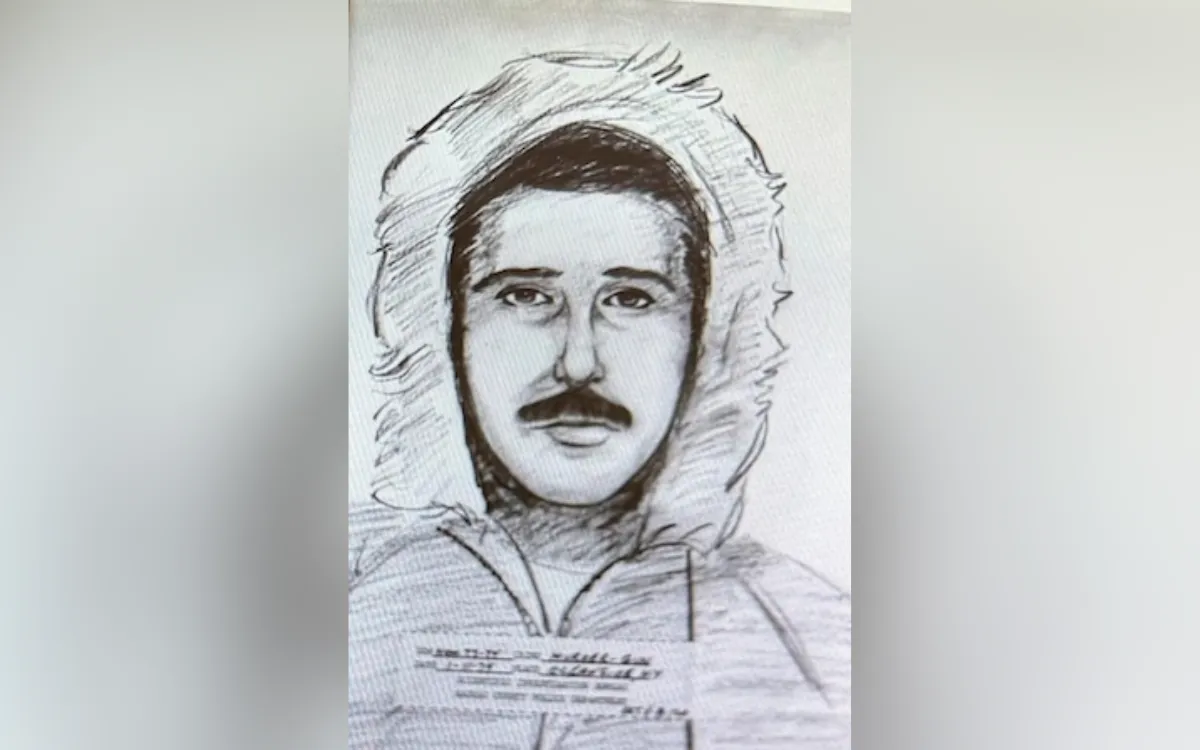
Detectives pursued every lead, even releasing a composite sketch of a possible suspect, but the case stubbornly refused to crack. Over the years, investigators ruled out several individuals, including known serial offenders. Despite persistent efforts, no suspect was ever identified, and the case eventually went cold.
...
Hope then resurfaced in 2024 when Nassau County authorities partnered with Othram, a forensic genetics company that specializes in identifying individuals using advanced DNA techniques.
Investigators submitted preserved forensic evidence to Othram’s lab in The Woodlands, Texas. There, scientists used Forensic‑Grade Genome Sequencing to build a comprehensive DNA profile of the unknown suspect.
That profile was then provided to the FBI’s forensic genetic genealogy unit, which generated new investigative leads that finally pointed to a name: Thomas Generazio. Generazio lived just blocks from the Waldman home at the time of the murder and worked as a sanitation employee. He died in 2004, never facing questioning or charges in the case.
Although Generazio will never be prosecuted, authorities say the identification brings long‑overdue answers to a family that has waited decades for them. Waldman’s case is now the 19th publicly announced New York investigation solved with the help of Othram’s identity‑inference technology.
Officials hope the breakthrough will encourage the public to contribute their DNA data to the DNASolves database, helping law enforcement unlock new leads in other unsolved crimes—and bring long‑awaited closure to more families.
View 0 Comments
Submit Correction
View Editorial & AI Guidelines