10
Loading video...


By Jennifer Radcliffe, Jordan King, and Sam Stevenson
0
Share
Newsweek is a Trust Project member
See more of our trusted coverage when you search.Prefer Newsweek on Googleto see more of our trusted coverage when you search.
South African jurist Navanethem "Navi" Pillay won the Nobel Peace Prize on Friday, an award that is likely to generate controversy over her leadership of the UN panel that found Israel committed “genocide” in Gaza.
The Nobel Committee called the International Court of Justice judge's work “a source of hope and inspiration to all those who seek to bring about a more peaceful world, awarding the prize for “for her efforts to promote peace and international law.”
The award will likely be seen as a stinging rebuke to Israeli Prime Minister Benjamin Netanyahu and his ally President Donald Trump, who covets the peace prize for himself.
Read More on News
Both men rejected the findings of the U.N. Commission of Inquiry that, under Pillay’s leadership, concluded in September 2025 that Israel committed genocide in Gaza as it responded to the October 7 terrorist attacks.
Pillay was attending a forum in Nuremberg, Germany, where Nazi leaders went on trial after World War II, when she was announced the winner. A video showed Pillay emerge from the Nuremberg courthouse and tell those applauding, "If you clap a little bit more, I may share this prize with Trump."
The 85-year-old added: "I think it is very appropriate that I'm with friends and colleagues, all of whom support human rights. The last thing I did is the delivery of the report on Gaza naming what is happening there is genocide."
Trump's Truth Social account later shared a post from lawyer David Schoen that attacked both Pillay and the Nobel Committee. The post rejected the commission’s genocide finding as the product of a “phony investigation,” accused Pillay of rewarding Hamas and argued that Trump’s work on the Abraham Accords and other conflicts should have earned the prize.
Navi Pillay’s Gaza Genocide Finding
The award comes just over a year after a United Nations-appointed commission chaired by Pillay concluded there were reasonable grounds to find that Israel had committed genocide against Palestinians in Gaza.
Its report found that four of the five acts included in the Genocide Convention had been committed and said genocidal intent could be inferred from Israeli leaders’ statements and the conduct of Israeli forces.
The four acts were: Killing members of the protected group; causing serious bodily or mental harm to members;
deliberately inflicting conditions of life calculated to bring about the group’s physical destruction, in whole or in part; and imposing measures intended to prevent births within the group. The fifth act is forcibly transferring children of the group to another group.
The commission found that “Israel is responsible for the commission of genocide in Gaza" and also documented what it called “systematic” acts of sexual and gender-based violence against Palestinians.
“It is clear that there is an intent to destroy the Palestinians in Gaza through acts that meet the criteria set forth in the Genocide Convention,” Pillay said at the time the report was published.
The finding was one of the strongest made by a UN investigative body during the war; however, the independent commission does not speak for the UN as a whole and its conclusion is not a binding judicial ruling.
Israel’s Ambassador to the UN, Danny Meron, dismissed the findings as “cherry-picked” at the time, saying it “promotes a narrative serving Hamas and its supporters in attempting to delegitimize and demonize the state of Israel.”
“The report falsely accuses Israel of genocidal intent, an allegation it cannot substantiate,” he said.
The International Court of Justice has yet to deliver a final judgment in the genocide case brought by South Africa against Israel.
Israel has categorically rejected the commission’s conclusions, arguing that its campaign was directed against Hamas after the October 7 attacks and that its forces operated in accordance with international law.
The Nobel Peace Prize announcement did not present the Gaza report as the sole or stated basis for the award.
But the timing places one of Pillay’s most consequential and contested recent findings alongside an honor recognizing her broader efforts to promote peace and international law, including the prosecution of war crimes, crimes against humanity and genocide.
Navi Pillay Praised For Promoting Peace And International Law
“In historic international court cases, she has shown that legal efforts can help prevent acts of war and violence,” committee chair Jørgen Watne Frydnes said.
“Navi Pillay has also worked to strengthen the institutions of international law, he added.
He called her one of the most “respected international jurists of our time” and then went on to talk about the “importance of resolving conflicts through international law.”
Frydnes said the current “system of international law is under tremendous pressure, and its institutions are under attack” at a time of “existential challenges” and multiple wars around the world.
He spoke out against “power politics at the expense of legal frameworks,” adding: “Whenever might overtakes right, it undermines stability, trust and peaceful coexistence.”
“In awarding this year’s Nobel Peace Prize, the Norwegian Nobel Committee wants to remind the world that the rule of law, national and international, underpins the system we have set up to ensure peace and resolve conflict non-violently,” Frydnes said.
Frydnes said the committee had been unable to reach Pillay to tell her she had been awarded the prize.
“So my message to her would be: if you see a Norwegian number calling, please pick up. I would love to talk to you very soon,” he added.

...
Who Is Navi Pillay?
The lawyer grew up in apartheid South Africa, when a white minority ruled, enforcing a system of racial segregation and political and economic discrimination against people of color in which only white people could vote in national elections.
This ended in 1994, when South Africa held its first democratic election, after decades of resistance from groups and activists including Nelson Mandela.
Pillay, who is of Tamil origin and the first woman of color to serve in the country’s High Court, defended many opponents of apartheid that the government targeted in court.

...
Navi Pillay Helped Establish Rape As Act Of Genocide
In 1995, the United Nations General Assembly elected her to be a judge at the International Criminal Tribunal for Rwanda, established to prosecute those responsible for the 1994 genocide against the Tutsi, during which between 800,000 and 1 million men, women and children were massacred, according to UN estimates.
One of Pillay’s most significant actions was her ruling in a 1998 case that convicted a Rwandan mayor for his role in encouraging rape and providing impunity for perpetrators, establishing that sexual violence can constitute genocide and be prosecuted as a crime against humanity.
In 2010, Pillay convened a panel to hear directly from survivors of sexual violence in the Democratic Republic of the Congo, looking at barriers to legal redress and how to improve rehabilitation and compensation options.
She argued for reparation programmes to exist alongside court proceedings, including for victims whose attackers could not be identified.

...
Trump Loses Out
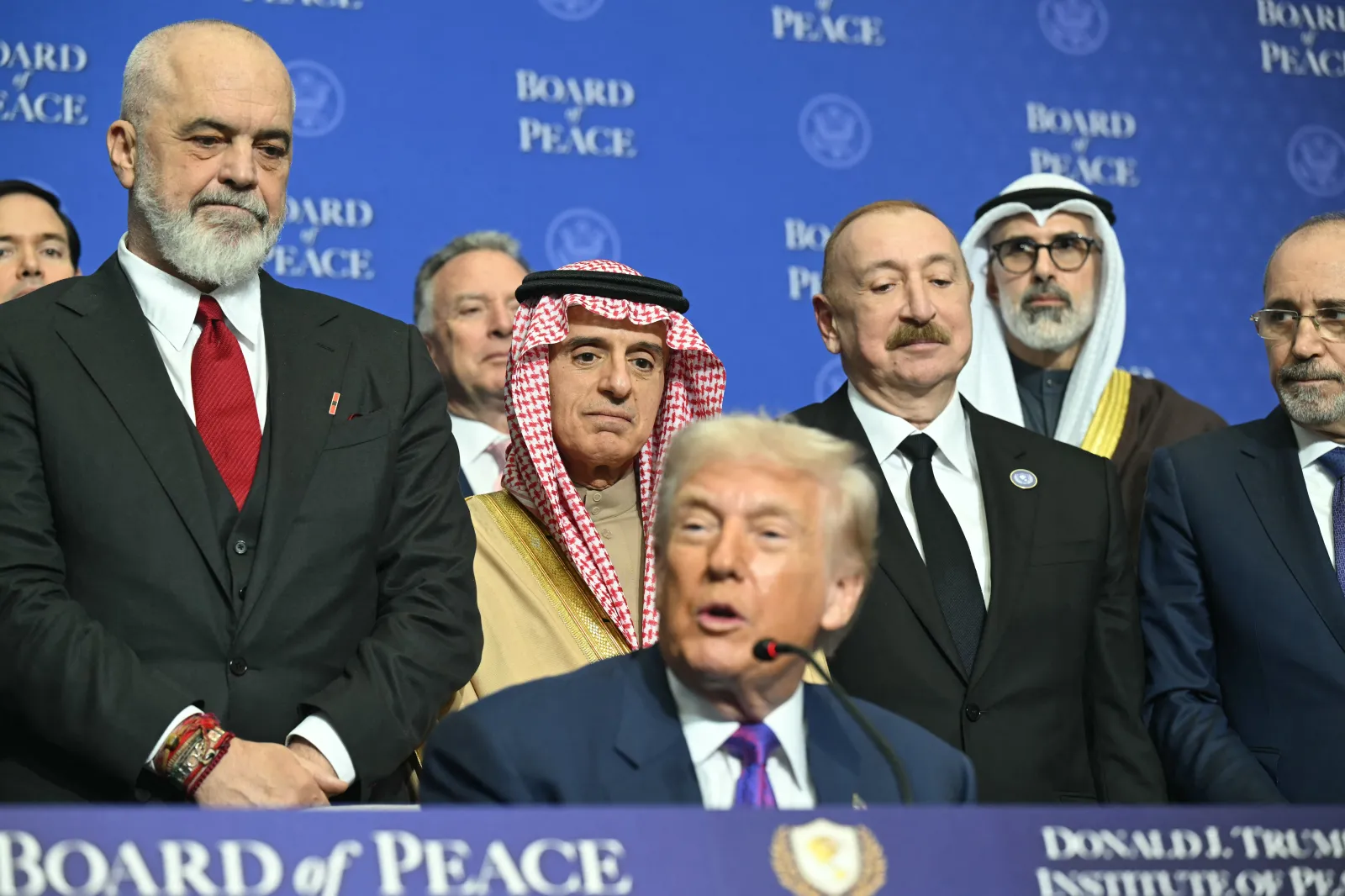
Trump had renewed his case for the Nobel Peace Prize on Wednesday, citing his record on international conflicts while acknowledging that it was unlikely he would receive the award.
“I don’t know what their decision is going to be,” Trump said at the White House ahead of Friday’s announcement. “They have a reputation for maybe not giving it to people like me.”
Trump said he has “settled eight wars” and saved “millions and millions of lives,” although parties to some of the conflicts he has cited dispute his diplomatic role and fighting has resumed in some regions. Russia’s war in Ukraine also remains unresolved.
Despite Trump’s take, traders on prediction markets were looking elsewhere.
Humanitarian organizations and activists occupied the leading positions on Kalshi on Thursday, with Trump’s contract trading at about a 1 percent implied probability. Sudan’s Emergency Response Rooms led at 15 percent, followed by Mykola Kuleba and Save Ukraine at 10 percent and Save the Children at 7 percent.
Prediction-market prices reflect traders’ expectations rather than information from the Norwegian Nobel Committee, whose nominations and deliberations are confidential. The committee has disclosed only that it received 287 candidates this year, comprising 208 individuals and 79 organizations. Nomination records and assessments remain sealed for 50 years.
“Humanitarian organizations, like the Sudan relief groups, are frequently awarded the prize because they are among the least controversial candidates. They save lives,” Michael Doyle, a Columbia University professor and former U.N. assistant secretary-general, told Newsweek.
“Political candidates have to overcome the paucity of genuine peace and the controversies surrounding their negotiation and implementation,” he added.
The uncertainty surrounding the 2026 contest was reflected even in the market leader’s relatively modest price. With Sudan’s Emergency Response Rooms trading at approximately 15 percent on Kalshi, traders were still assigning the great majority of the overall probability to another candidate winning.
“The Nobel Committee rarely leaks,” Doyle said, “and there are many humanitarian candidates, making successful prediction very difficult.”
...
Nobel Peace Prize: Candidates With Higher Odds Than Trump
The contenders ahead of Trump on Kalshi were dominated by humanitarian organizations, children’s advocates, democracy campaigners and international institutions.
The market was highly fluid. A contract trading at 15 cents represents approximately a 15 percent market-implied probability, not a scientific forecast or assessment from the Nobel Committee.
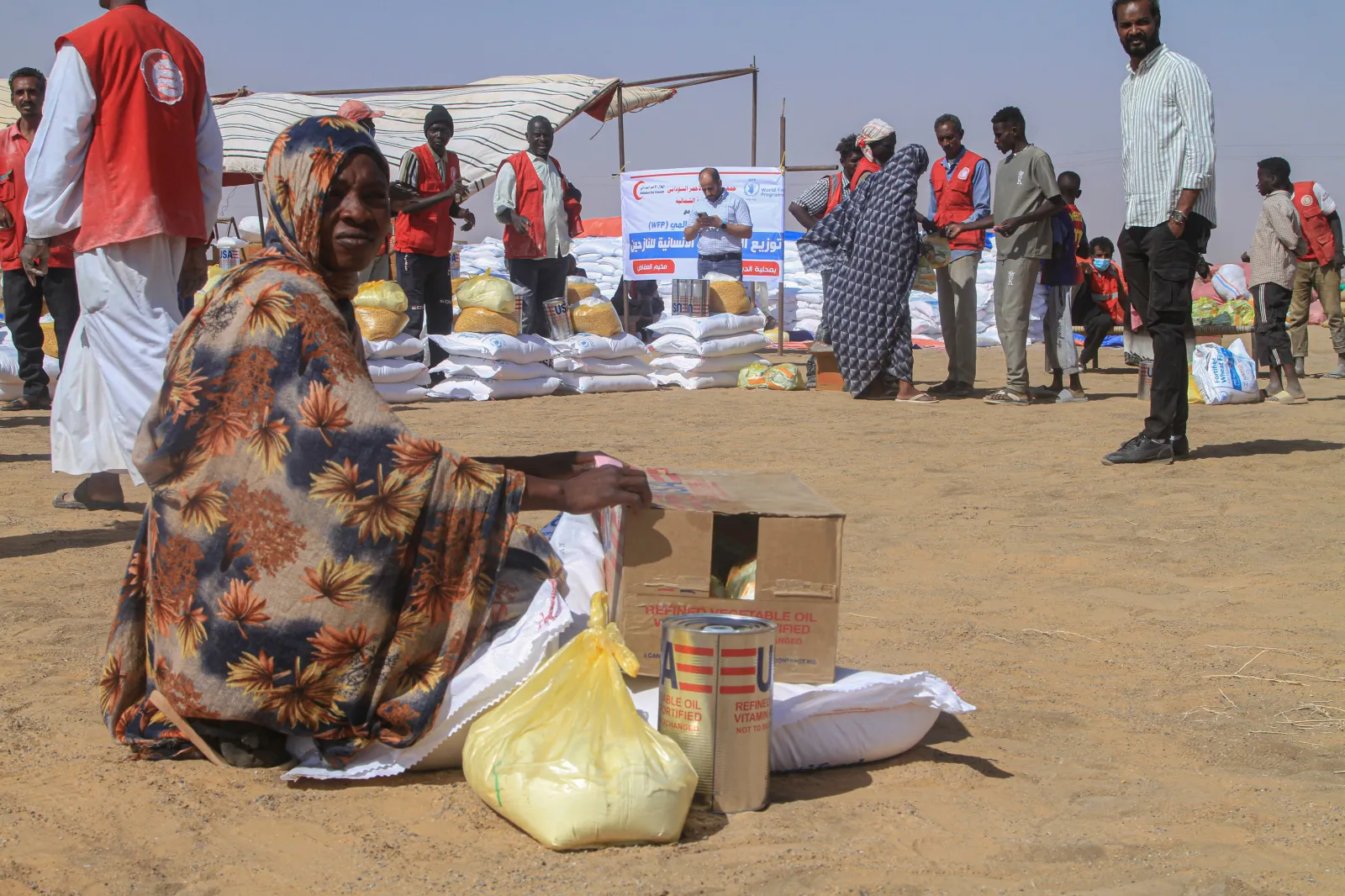
Sudan’s Emergency Response Rooms
Sudan’s Emergency Response Rooms were the leading contender on Kalshi on Thursday, with an implied probability of about 15 percent. They also led the Polymarket board at roughly 17 percent.
The Emergency Response Rooms are community-led volunteer networks providing humanitarian assistance during Sudan’s civil war. The Peace Research Institute Oslo, or PRIO, named the network to its director’s updated list of possible candidates, citing the group’s provision of life-saving services amid one of the world’s most severe humanitarian crises.
The group’s position illustrates the broader pattern Doyle identified: traders are favoring organizations whose records focus on direct humanitarian work rather than on politically contested peace negotiations.
...
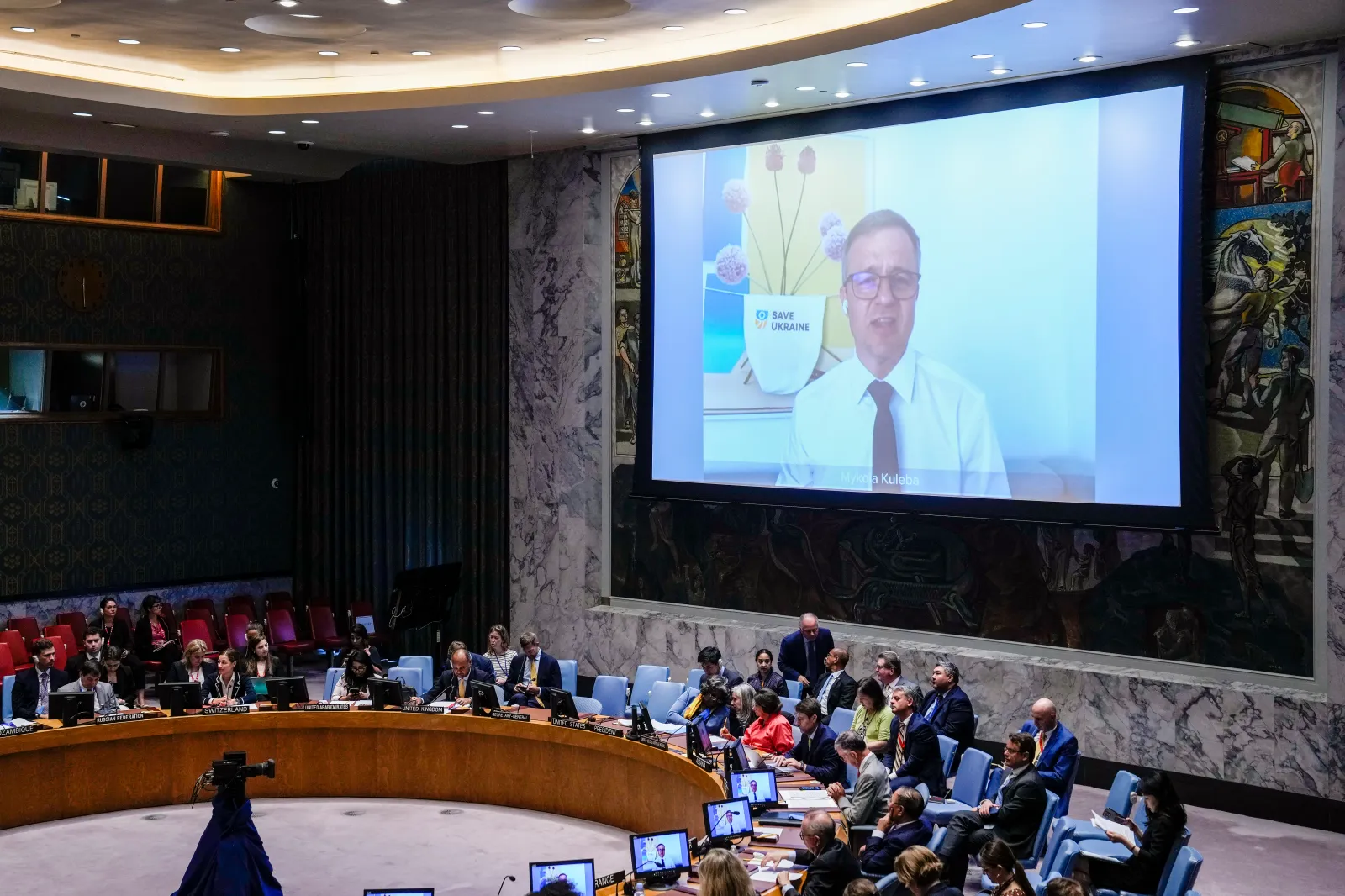
Mykola Kuleba and Save Ukraine
Mykola Kuleba, the founder and head of Save Ukraine, was second on Kalshi at approximately 10 percent.
Kuleba established Save Ukraine in 2014 and has led efforts to rescue and support Ukrainian children abducted by Russia and assist families displaced by the war, according to PRIO. PRIO included Kuleba alongside Save the Children on its updated list, arguing that such a selection would draw attention to children affected by armed conflict.
...
Save the Children
Save the Children ranked third on Kalshi at approximately 7 percent and around 8 percent on Polymarket.
PRIO said the organization plays a central role in protecting children in conflict zones through its field programs and advocacy. It described Kuleba, Save Ukraine and Save the Children as strong possibilities for an award focused on children in war.
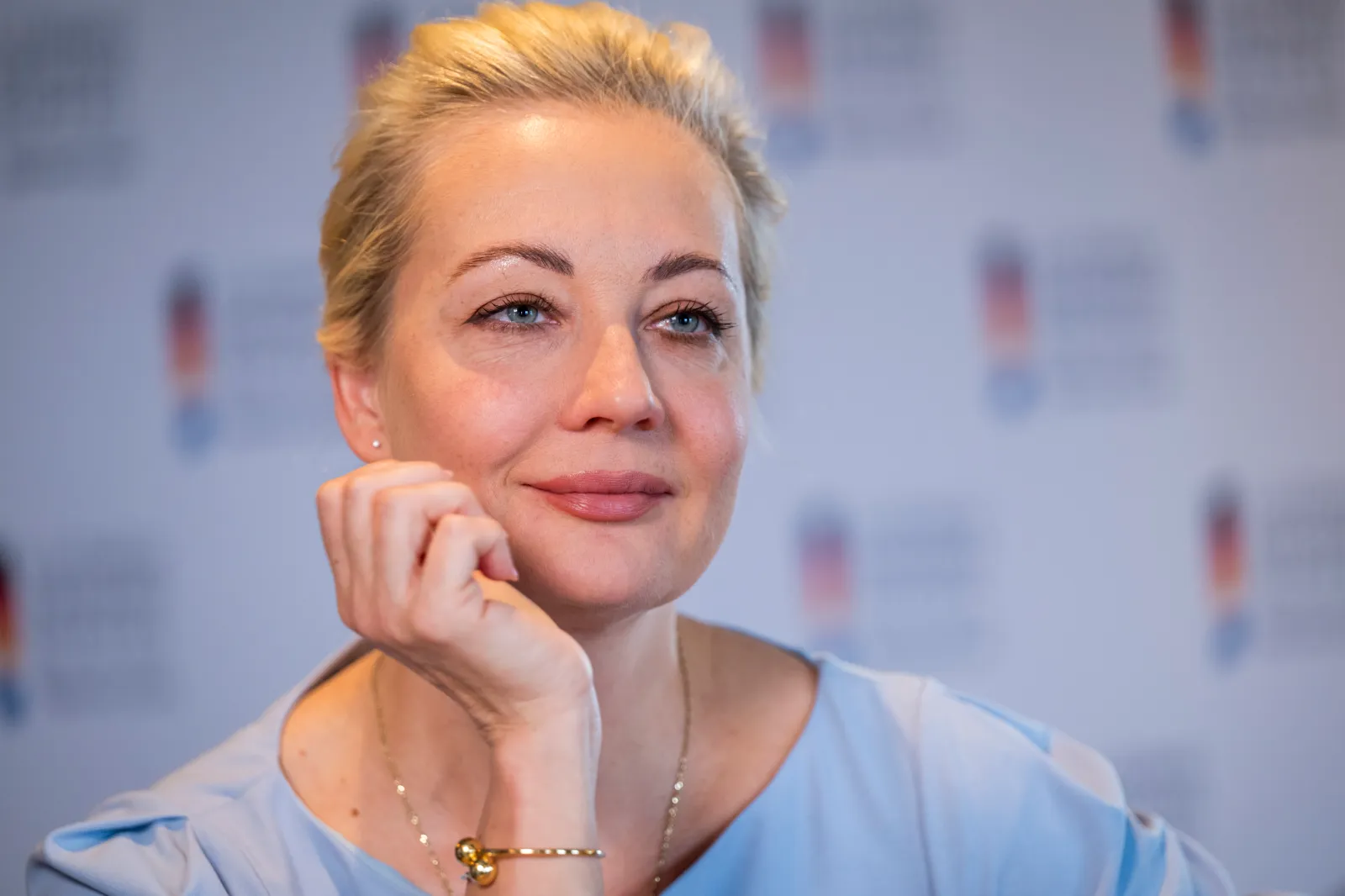
Yulia Navalnaya
Yulia Navalnaya, the widow of Russian opposition leader Alexei Navalny, was trading at approximately 5 percent on both Kalshi and Polymarket.
The 50-year-old chairs the Anti-Corruption Foundation founded by her late husband. Since his death, she has emerged as one of the Kremlin's most prominent critics and has said she plans to run for president once Vladimir Putin leaves power.
...
International Court of Justice
The International Court of Justice, the United Nations’ principal judicial body, had an implied probability of approximately 4 percent on the markets. It also appeared on PRIO’s updated list alongside the International Criminal Court.

...
Committee to Protect Journalists
The Committee to Protect Journalists, which advocates for journalists facing imprisonment, violence and censorship, was trading at approximately 3 percent on Kalshi. PRIO also included the organization on its updated shortlist.
Other candidates ahead of or roughly level with Trump on the market included Doctors Without Borders, the International Space Station partnership, the International Criminal Court, UNRWA, Canadian Prime Minister Mark Carney and Pope Leo XIV. Exact prices continued to change as trading proceeded.
PRIO’s list is not connected to the Nobel Committee and is not based on inside information. Its updated choices were Kuleba and Save the Children, Sudan’s Emergency Response Rooms, the Committee to Protect Journalists, the International Court of Justice and International Criminal Court, and the International Space Station.
Was Donald Trump Nominated for the Nobel Peace Prize?
The Nobel Committee does not publish or verify the names of current nominees. It says names appearing in the media may come from people who claim to have submitted nominations or may simply be speculation.
The leaders of Cambodia, Israel and Pakistan have said they nominated Trump, although those nominations cannot be independently confirmed through the committee.
Trump said Wednesday that his work on international conflicts and hostage releases entitled him to the award.
“I’m not bragging. I’m just telling you the facts. No president probably has settled any wars. I settled eight wars, and big ones,” Trump said Wednesday at the White House.
He also renewed his criticism of former President Barack Obama receiving the prize in 2009 and argued that failing to recognize his own record would discredit the committee.
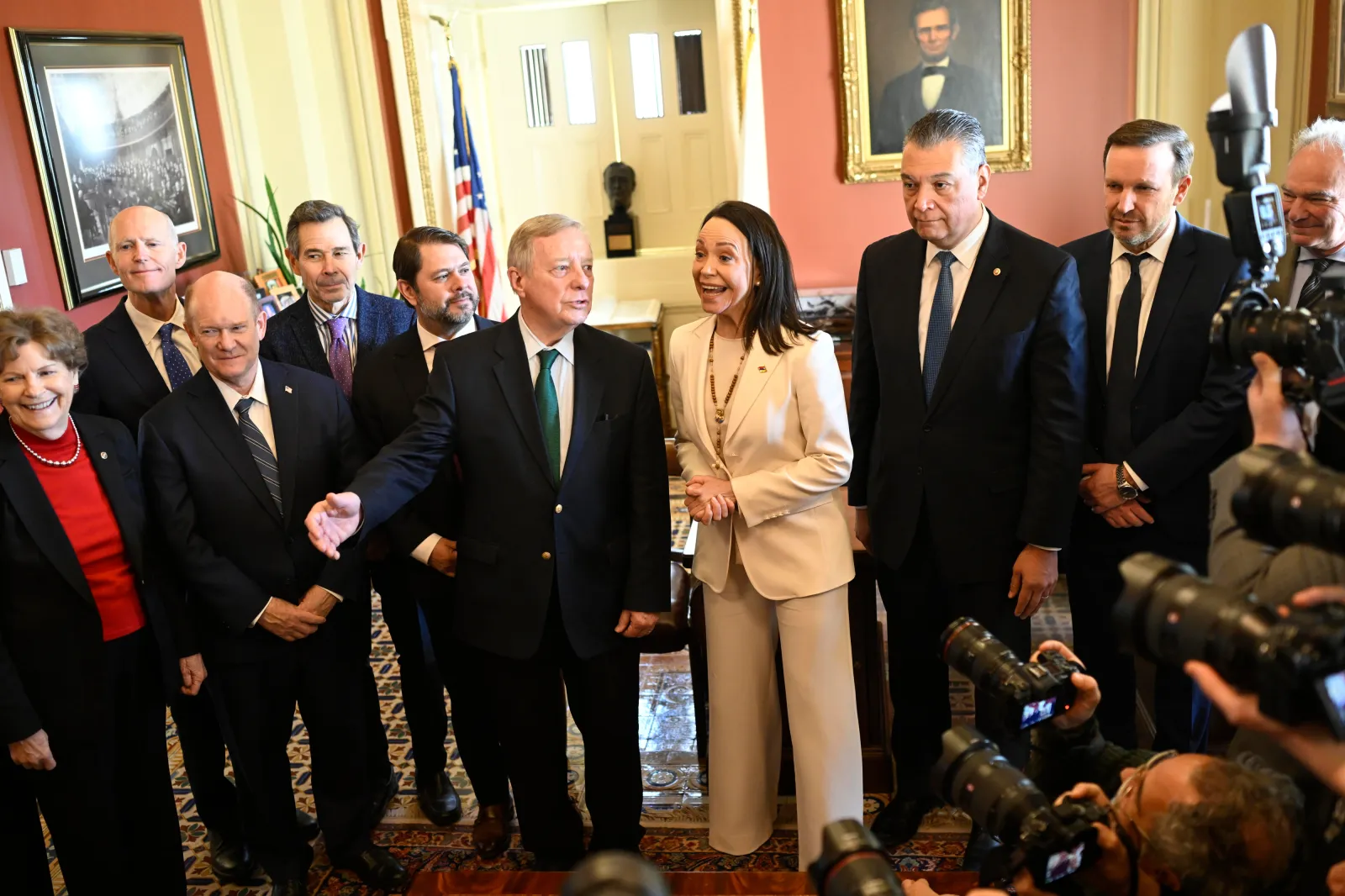
Trump’s association with the prize intensified after last year’s laureate, Venezuelan opposition leader María Corina Machado, presented him with her Nobel medal during a White House meeting in January. Machado remained the laureate, however. Reporting on the episode noted the Nobel Committee’s position that a prize cannot be revoked, shared or transferred after it has been awarded.
...
Trump referred to the episode Wednesday, saying he had been “very honored to receive it indirectly last time by the recipient.”
Haakon Gjerløw, acting director of PRIO, told Reuters that the aftermath of last year’s award could affect this year’s considerations. He said the committee may be concerned that a recipient could be pressured by Trump and may consider whether its choice would “do more harm than good.”
Machado received the award in 2025 for her work promoting democratic rights in Venezuela and pursuing what the committee called a just and peaceful transition from dictatorship to democracy.
The 2024 prize went to Nihon Hidankyo, the Japanese organization representing survivors of the atomic bombings of Hiroshima and Nagasaki, for its efforts toward a world without nuclear weapons and its use of witness testimony to demonstrate that such weapons must never be used again.
Newsweek’s reporters and editors used Martyn, our AI assistant, to produce this story. Learn more about Martyn here.
Contact Newsweek editors on this story: Kate Napelinski and Edward T. Cummins
View 0 Comments
Submit Correction
View Editorial & AI Guidelines