...

By Anna Skinner
Associate News Editor
0
Share
Newsweek is a Trust Project member
See more of our trusted coverage when you search.Prefer Newsweek on Googleto see more of our trusted coverage when you search.
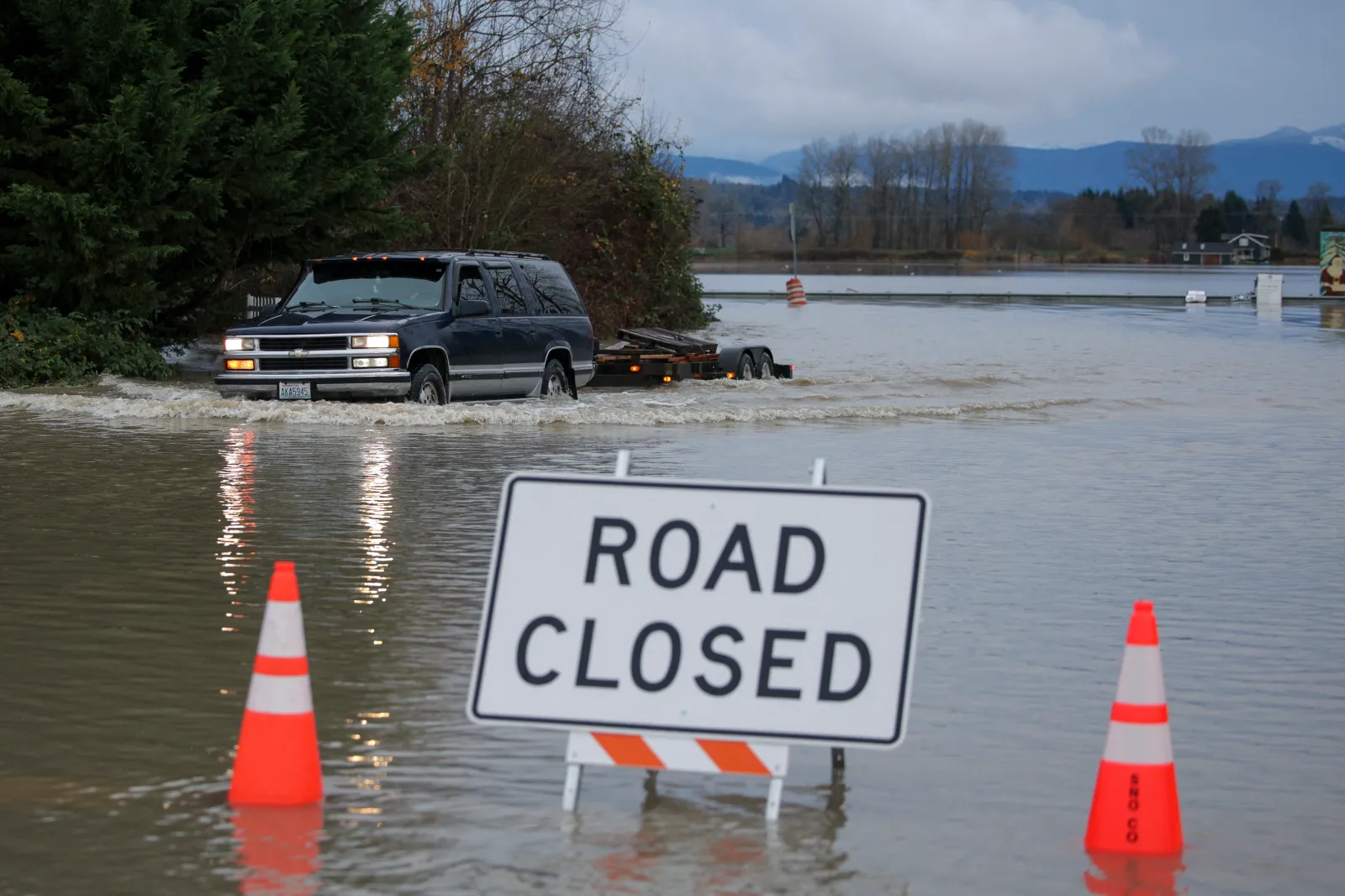
"Catastrophic" flooding from an atmospheric river that walloped Washington state this week will continue on Friday, officials from the National Water Center (NWC) warned in an update.
A strong atmospheric river slammed into the Pacific Northwest on Monday, with prolonged and significant flooding continuing to bring life-threatening impacts across The Evergreen State on Friday. Several levees faced the threat of severe damage or erosion as numerous rivers hit major flood stages, breaking all-time records in some cases. Even once rain has stopped, flooding could persist for days, NWC director Ed Clark told Newsweek.
On Thursday, the NWS office in Seattle issued 72-hour rainfall totals for the state, with many areas seeing over a foot of rain.
Read More on U.S.
Atmospheric rivers are a "long, narrow region in the atmosphere—like rivers in the sky—that transport most of the water vapor outside of the tropics," according to the National Oceanic and Atmospheric Administration (NOAA).
...
The storms brought by atmospheric rivers are known for their heavy snow, heavy rain and strong winds. They more commonly affect the West Coast, particularly during the winter months. Although the storms can bring beneficial snow that helps supplement reservoirs throughout the summer dry season, they can also trigger deadly flooding, mudslides and widespread power outages.
On Friday morning, the NWS issued an updated key message about the storm's impacts. A map was included in the post on X and revealed that "catastrophic" impacts were still expected in northwestern Washington, north of Seattle.
"Catastrophic Flooding Impacts Along the Skagit and Snohomish Rivers will Continue Today," the update said. "Major and/or record river flooding is ongoing. Both rivers are cresting this morning, but will remain in major flood stage into Saturday."
A more widespread region of Washington faced "significant" flooding impacts, primarily in the western Cascade foothills. The National Weather Service (NWS) also warned of the prolonged threat.
"Catastrophic flooding and landslides will continue to bring a significant risk to life and property in Washington and northwest Oregon," the NWS said in a Friday forecast.
The storm has displaced tens of thousands of people, with more than 100,000 people in the state under evacuation orders on Thursday. A day later, flood warnings and similar weather alerts remain in place for more than a million people across the state.
"Rainfall of 2 to 12 inches over the past several days has increased soil moisture to very high levels across western Washington," NWS Seattle said in a special weather statement. "This amount of rain will put extra pressure on soil instability, leading to an increased threat of landslides and debris flows, especially from recent burned areas."
View 0 Comments
Submit Correction
View Editorial & AI Guidelines