
...

By Hans Kullberg
0
Share
Newsweek is a Trust Project member
See more of our trusted coverage when you search.Prefer Newsweek on Googleto see more of our trusted coverage when you search.
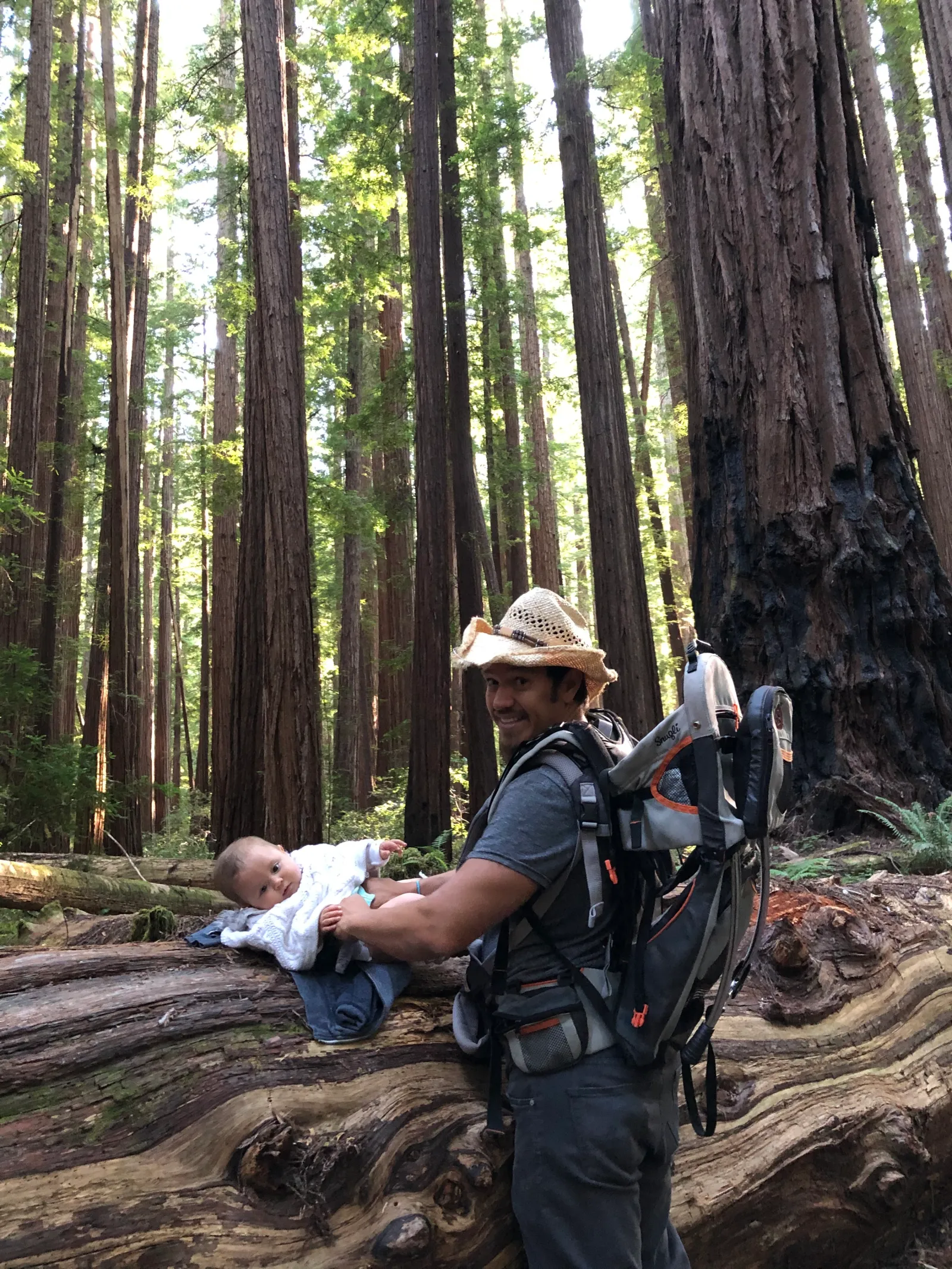
The sun was shining through the enormous redwood forest in Northern California, splashing light on my giggling 7-month-old daughter, Aviva, as I changed her diaper atop a fallen 300-foot tree, an impromptu changing station.
She had always been joyful and easygoing, calm and smiling on the day she was born in January 2020. Exploring nature on hiking adventures became our family’s refuge during the pandemic. Aviva was always observing the world, tucked snuggly inside my baby carrier. When we reached a running creek, she splashed the water with glee, following the example of her older siblings. She devoured avocados, hummus and bananas with gusto on our picnics, making sure to hand-feed me her leftovers.
...
Read More on My Turn
I Had Parental Controls on My Daughter’s iPad. An ‘AI Friend’ Still Found Her7 min read

My Neck Hurt After a Massage. 10 Days Later Terrifying Truth Was Revealed7 min read

I Gave My Nephews a Bow and Arrow for the Holidays—With One Condition. I Didn’t Expect Their Reaction7 min read

I think of these scenes from that magical, almost heavenly, forest often. Little did we know at the time, our world was going to change forever.
Just three months later, Aviva died unexpectedly under close emergency room supervision at a leading children’s hospital in San Diego.
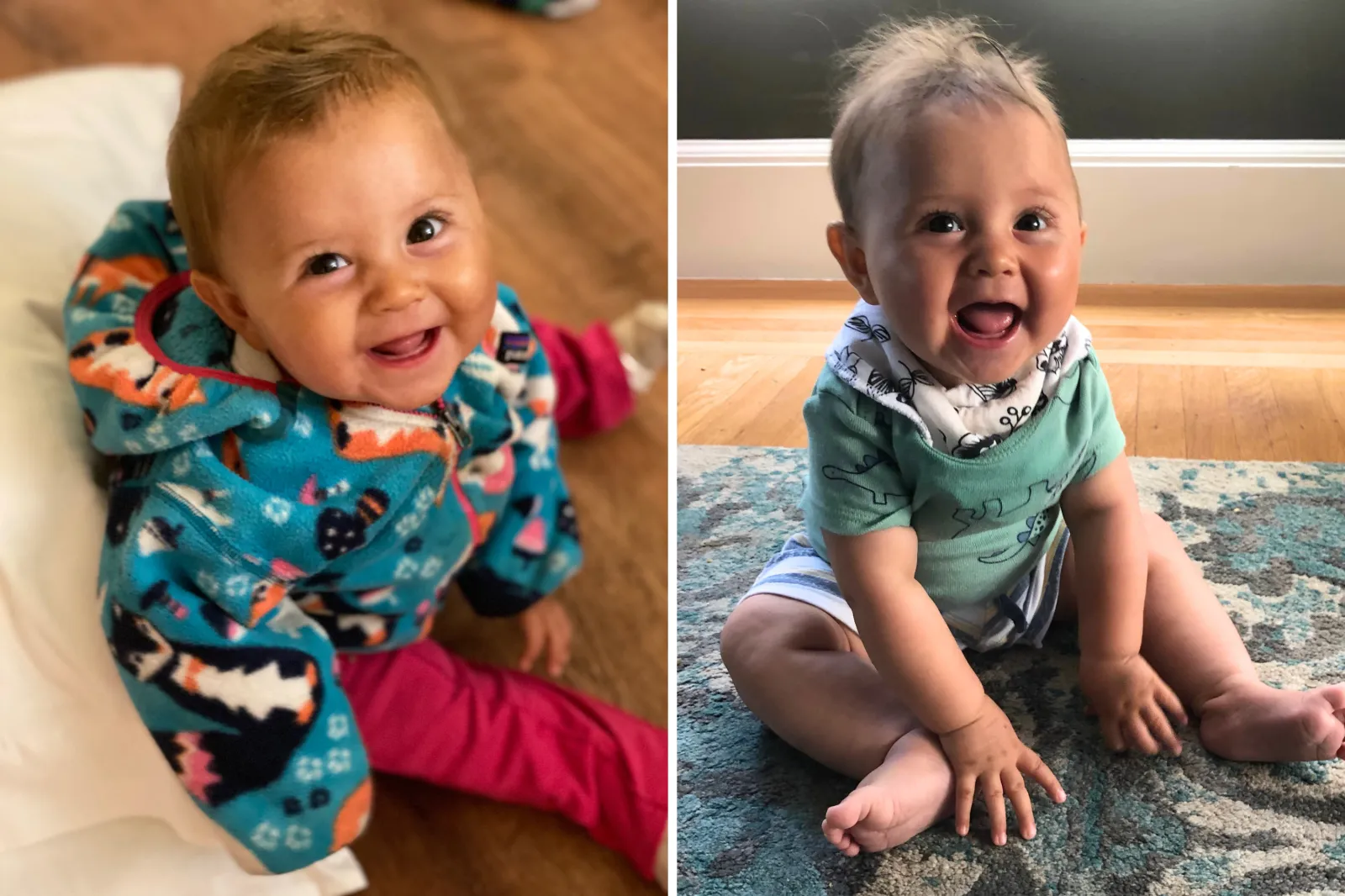
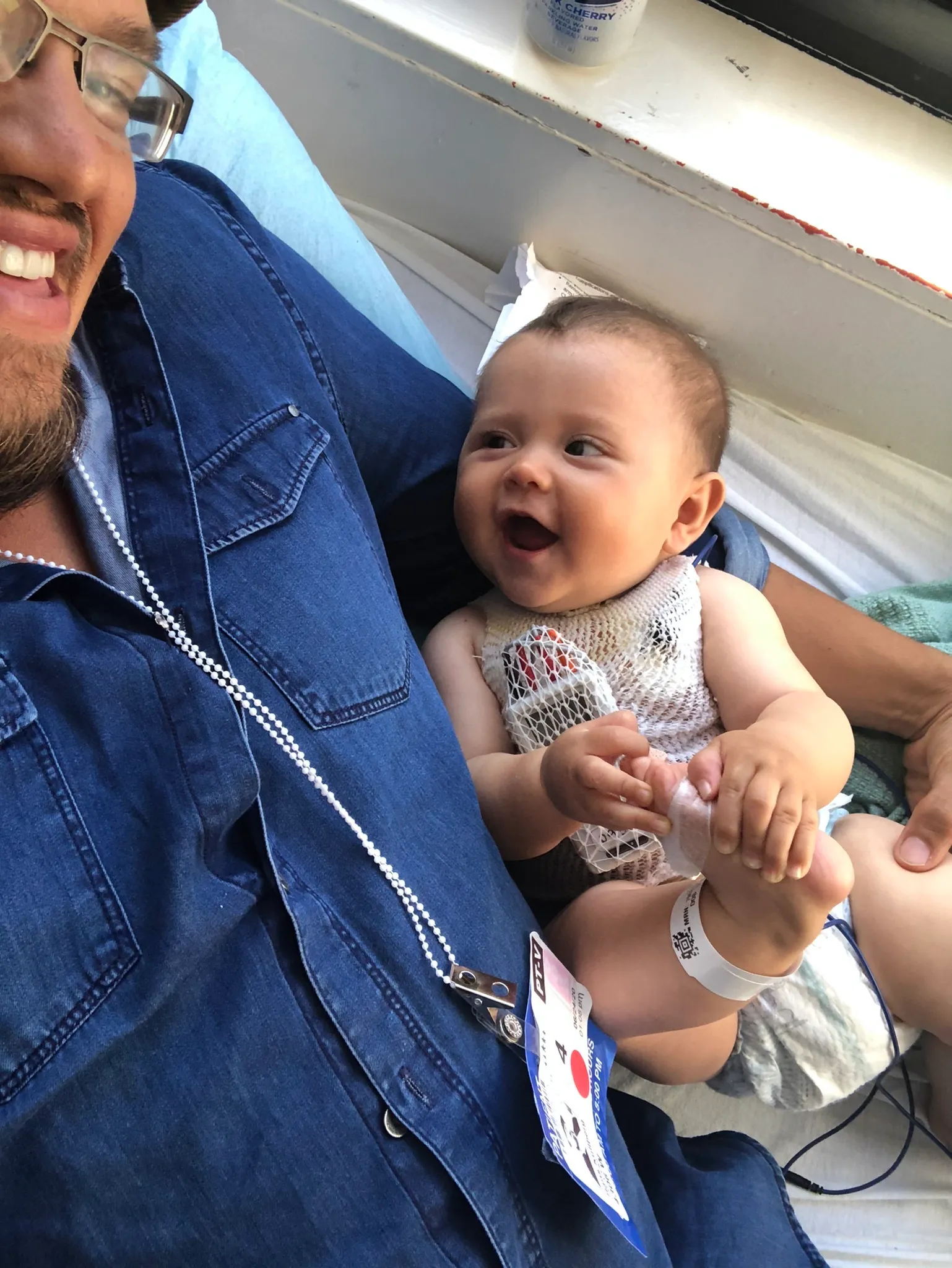
Our daughter’s life was over when it was just beginning. In her brief 10 months, she had experienced five previous episodes in the hospital, the first at just nine days old. Each time, the pattern was the same and deeply unsettling: Her heart rate would drop suddenly during sleep, sending us rushing to the hospital, where a team of physicians would run every test imaginable, including cardiac, neurological and genetic—and come up empty every single time. While doctors examined her tiny body—head, heart, arms, legs—with needles and tubes and sensors, they could never figure out what was making her heart rate go down during naptime. Although the poking and prodding looked painful, Aviva never complained. She babbled and grinned. Even when hooked up to several tubes, she’d always fall asleep in my arms. And each time we’d celebrate her coming home perfectly healthy and normal, giving us the impression her mysterious condition might be terrifying but manageable.
But her sixth visit was different. One moment, she was eating a graham cracker and sipping water out of a straw. The next minute doctors were frantically rushing. Tubes. Beeping. Yelling. Bright lights. Life support. Whispers. Hushed voices. Silence.
We waited 20 agonizing hours praying for a miracle that never came. As I held my daughter for the final time, weeping uncontrollably, I felt that I’d let her down. A parent’s job is to ensure their child is happy, healthy and safe. Stroking her lifeless body, not being able to tell her that everything would be OK—because Daddy can make everything OK—was the lowest point in my life.
...
To this day, the cause of Aviva’s death remains unknown. There was no diagnosis, no explanation, no chapter with a proper ending. We’ve learned to live with an open wound. It’s the kind that doesn’t close, but that you slowly learn to carry.
When a new parent holds their precious child for the first time, there’s an overwhelming sense of responsibility accompanied with pride. There’s a silent bond—an unspoken promise—that we’ll make our children proud as their primary caregiver and role model. When I lost Aviva, that feeling was magnified. In that moment, amidst the sorrow and deep anguish, I made a commitment to my daughter to still make her proud.
Grief, I discovered, is the mirror image of the love we have for our loved ones. You’ll only grieve a passing as deeply as you love the person. Like the reflection of a mountain on a calm lake, the depth of our grief is only matched by the height of our love. I also discovered that society doesn’t quite know what to do with grief, as my wife and I encountered countless well-meaning comments that missed the mark. “She’s in a better place now.” “Everything happens for a reason.” And the one that stung the most: “I can’t even imagine.” What would be more appropriate is, “I can only imagine.” The soul’s deepest need is not to be changed, but to be understood. Simple acknowledgment makes things better even when it can’t make them right.
But grief can also change us. It certainly changed me.
My love for my daughter continues to grow each and every day. I know, deep down, she’s with me. I can feel it from the butterflies in the garden, the hummingbirds that arrive at the most auspicious times, and the dolphins that appear out of the blue while I’m surfing in the Pacific Ocean.
...
That love became a compass. Inspired by our last adventure to the zoo just days before she passed, I found peace in writing a children’s book about Aviva, depicted as an orangutan. Reading it aloud in classrooms with friends she never got to meet brings me immense joy and keeps her personality alive in the world. Through Open Dreams, the nonprofit my wife and I founded years before Aviva’s birth, scholars now honor her each year by paying the medical bills of mothers in Cameroon who cannot afford their own care. And I left my comfortable, secure job to fulfill my internal promise to Aviva that no parent would ever have to feel as alone, confused or powerless as we did, a mission that informs my current professional ventures.
As parents, we want nothing more than a bright future for our children. Even in heaven, Aviva continues to touch lives and leave her mark.
There’ll never be a perfect day because my daughter won’t be by my side. And that’s OK. It only removes the burden and pressure of striving to be perfect.
The only thing we have is now. The love that we receive is reflected in the love that we give.
Love doesn’t end when our loved one leaves this earth. Rather, like a towering redwood tree climbing toward the sun, love can continue to grow for hundreds of years if we choose to allow it.
And like a ray of sunshine shining through a canopy of redwood trees, if we stop for a moment to appreciate what we have in front of us, the light of love will show us the way.
Hans Kullberg is the co-founder of Avocado Health, a platform for parents he and his wife created after their daughter Aviva passed away.
Do you have a personal essay you want to share with Newsweek? Send your story to MyTurn@newsweek.com.
View 0 Comments
Submit Correction
View Editorial & AI Guidelines