...

By Hatty Willmoth
Food & Nutrition Reporter
0
Share
Newsweek is a Trust Project member
See more of our trusted coverage when you search.Prefer Newsweek on Googleto see more of our trusted coverage when you search.
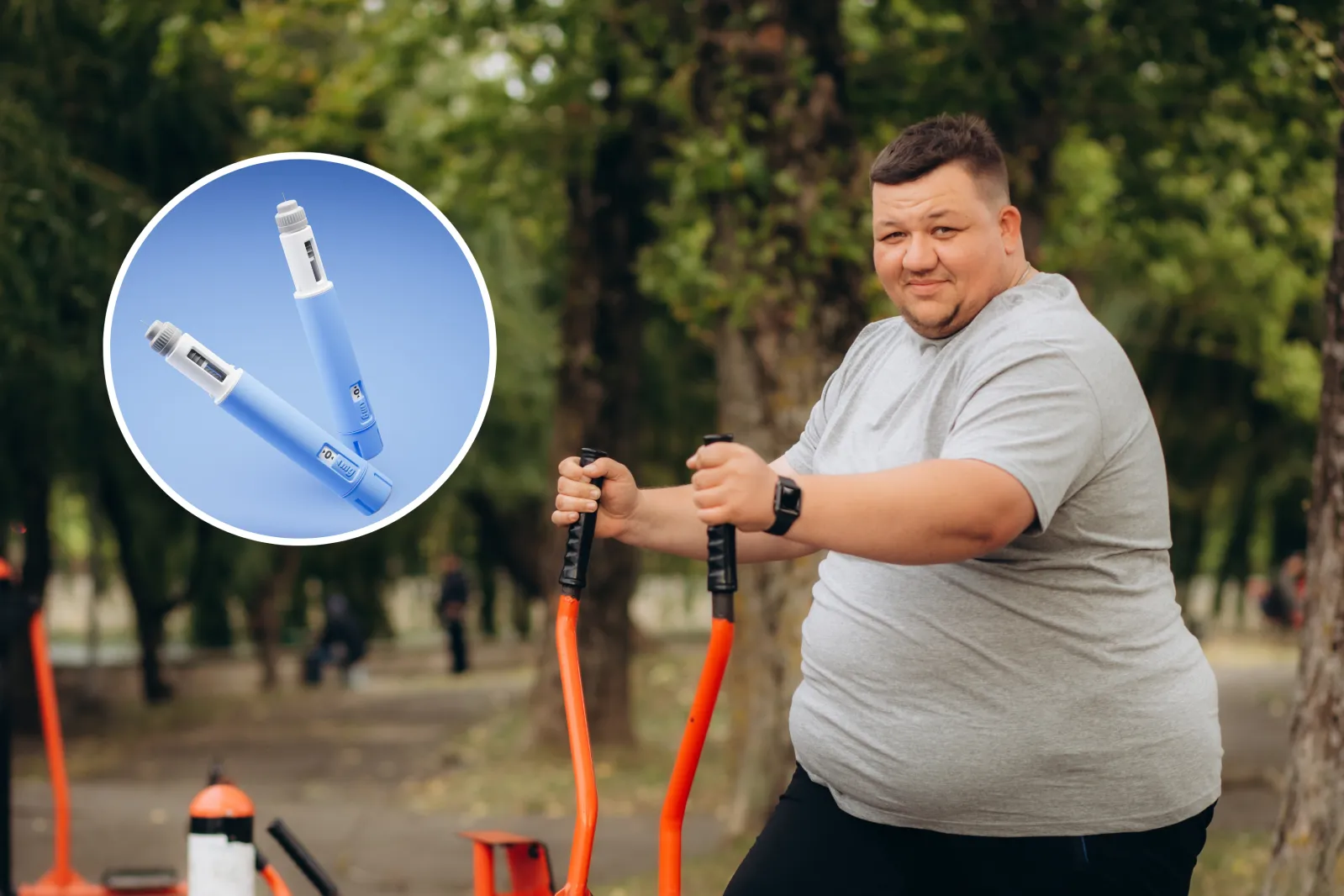
Weight-loss drugs may help people with obesity, but they won't by themselves solve the American obesity crisis, three experts told Newsweek.
Last week the White House announced the expansion of Medicare and Medicaid coverage to make weight-loss drugs accessible for more Americans with obesity.
These drugs are glucagon-like peptide-1 (GLP-1) receptor analogs, which mimic the fullness hormone GLP-1 to help people with type 2 diabetes or obesity better manage their appetite, blood sugars and weight.
Read More on Health
As a relatively new category of medicine, these drugs—such as Ozempic, Wegovy, Mounjaro and more—have been the subject of considerable attention for helping people with obesity lose up to 15 percent of their body weight in a relatively short period of time.
The drugs are also expensive, costing up to $1,000 per month without insurance, and as such their use is currently distributed inconsistently across the U.S.
Experts told Newsweek that the step to expand access to these medications was necessary and important—but that GLP-1 drugs alone would not be enough.
"Treating obesity effectively requires more than medical interventions," said Dr. Eric Smith, a bariatric surgeon and the medical director of Patients Over Profit Recovery Systems.
He added: "Systemic changes are necessary to reduce the prevalence of unhealthy food environments. By addressing these broader factors, we can prevent obesity in the first place and make it easier to treat for those already affected."
Specifically, Smith said that access to affordable whole foods that free from harmful additives, pesticides and dyes, was essential, and as was reversing the current food system's prioritization of "unhealthy, addictive ultra-processed foods."
Other treatments also had a role to play, said Smith, including bariatric surgery which he said had been "shown to offer better long-term outcomes" than GLP-1 drugs.
"For example, Mississippi—one of the states with the highest obesity rates—still does not include bariatric surgery as a covered benefit under its state insurance plan, even in 2024," said Smith.
"This is a glaring example of the obstacles we face in making proven, life-saving treatments available to those who need them most."
Smith said that wider access to GLP-1 medications was "critically important," but that they were most effective when combined with other treatments, such as diet and lifestyle interventions.
...
"Prescribing these medications without the necessary support undermines their potential," he said. "Patients require thorough, long-term dietary, nutritional and mental health support to address the triggers that contribute to obesity."
Professor Carel le Roux, Head of Pathology at University College Dublin, told Newsweek that this view—that these medications work best with diet and exercise support too—was not backed up by the science.
Le Roux said that people should eat nutritious foods and exercise because these were healthy habits, but that current evidence indicated they did not help people with obesity lose more weight.
"I'm not telling everybody they should take medication, because it's not going to help everybody," he said. "I'm not saying everybody should take a nutrition and exercise approach. It's not going to help everybody...We call that personalized medicine."
These weight-loss medications, said Le Roux, could help prevent people with obesity from developing these complications such as diabetes, heart disease, cancers and more.
"People don't die because of obesity, they die because of the complications of obesity," he said. "And therefore, when we treat people with the disease of obesity, our purpose is to prevent the complications. It doesn't matter how big people are. It really matters how sick they are.
"But at the same time, what we need to do is, people who are normal weight today—we need to help them and prevent them developing the disease of obesity." That's where nutrition and exercise support was important, he said, with both approaches being necessary to tackle the obesity epidemic.
Dr. Paige Kilian, Chief Medical Officer at healthcare technology company Inovalon, told Newsweek: "These medications have the potential to revolutionize healthcare in this country, given their effectiveness for weight loss and their significant influence on obesity-related morbidity and mortality in a population with epidemic levels of obesity.
"However, the key to long-term success is fostering behavioral changes with diet and exercise."
Kilian said that "ongoing nutritional education" was one of the most important actions that needed to be taken "to help Americans become healthier versions of themselves," for people taking and not taking GLP-1 drugs.
"This includes educating Americans on dietary principles, the importance of understanding and prioritizing macronutrients prudently, and encouraging the reduction and elimination of ultra-processed foods wherever possible," she said.
Is there a health problem that's worrying you? Do you have a question about obesity? Let us know via health@newsweek.com. We can ask experts for advice and your story could be featured in Newsweek.
View 0 Comments
Submit Correction
View Editorial & AI Guidelines