Newsweek/Getty

By David Averre
0
Share
Newsweek is a Trust Project member
See more of our trusted coverage when you search.Prefer Newsweek on Googleto see more of our trusted coverage when you search.
America has spent the past two decades paying technology companies to make life faster, easier, and permanently connected. Now it seems we’ve gone too far.
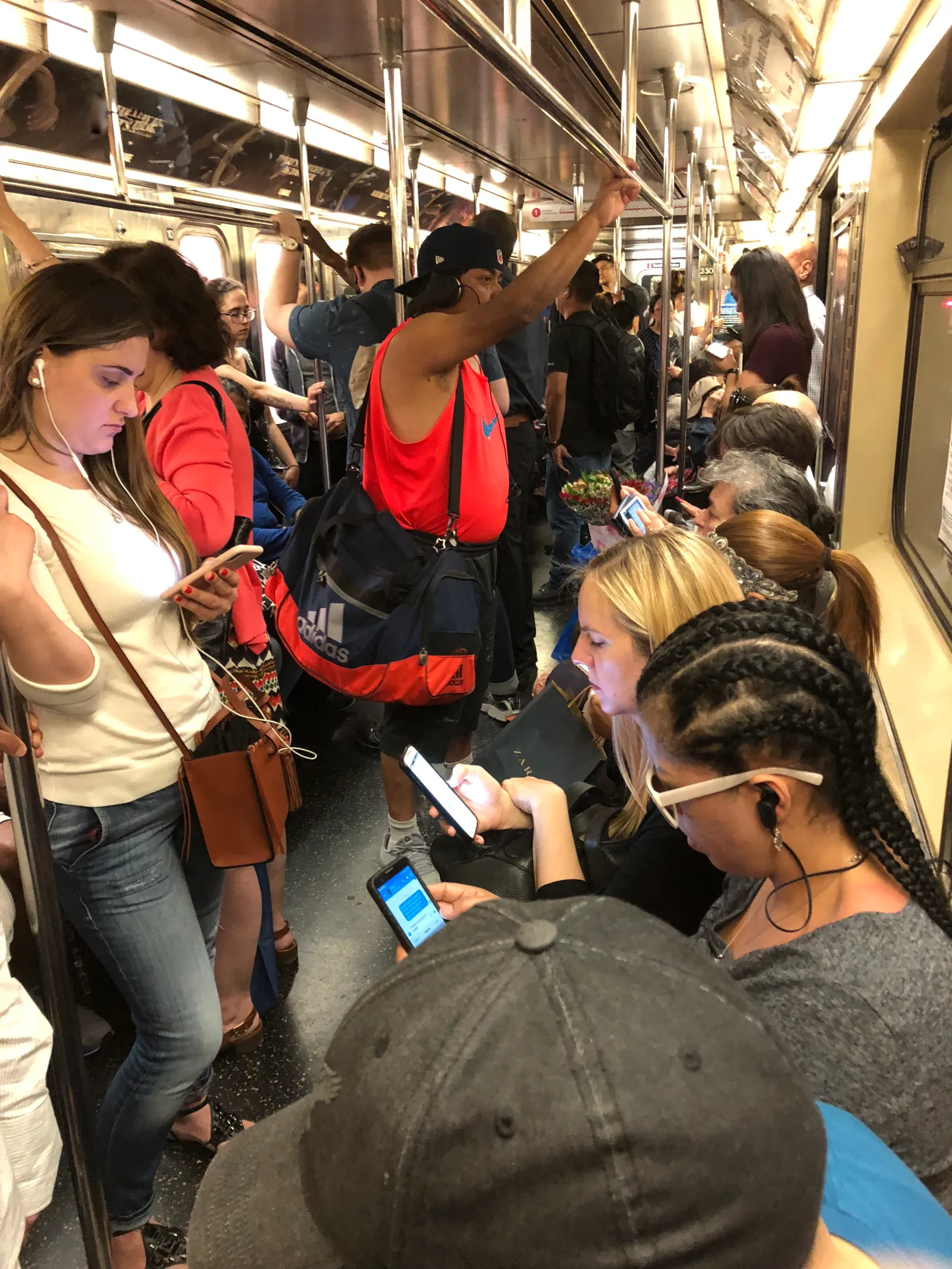
According to a Pew Research Center survey published this month, 53 percent of American adults think they spend too much time on their smartphones. Among under-30s, it's 70 percent.
Capitalism has spotted the problem, but if you want the solution, you’ll need to hand over your credit card details.
Read More on U.S.
You can now spend hundreds on a phone whose main selling point is that it can’t do all the things your current phone can. You can buy a gadget that stops you from using other gadgets. You can even pay somebody to confiscate said phone while you talk to strangers.
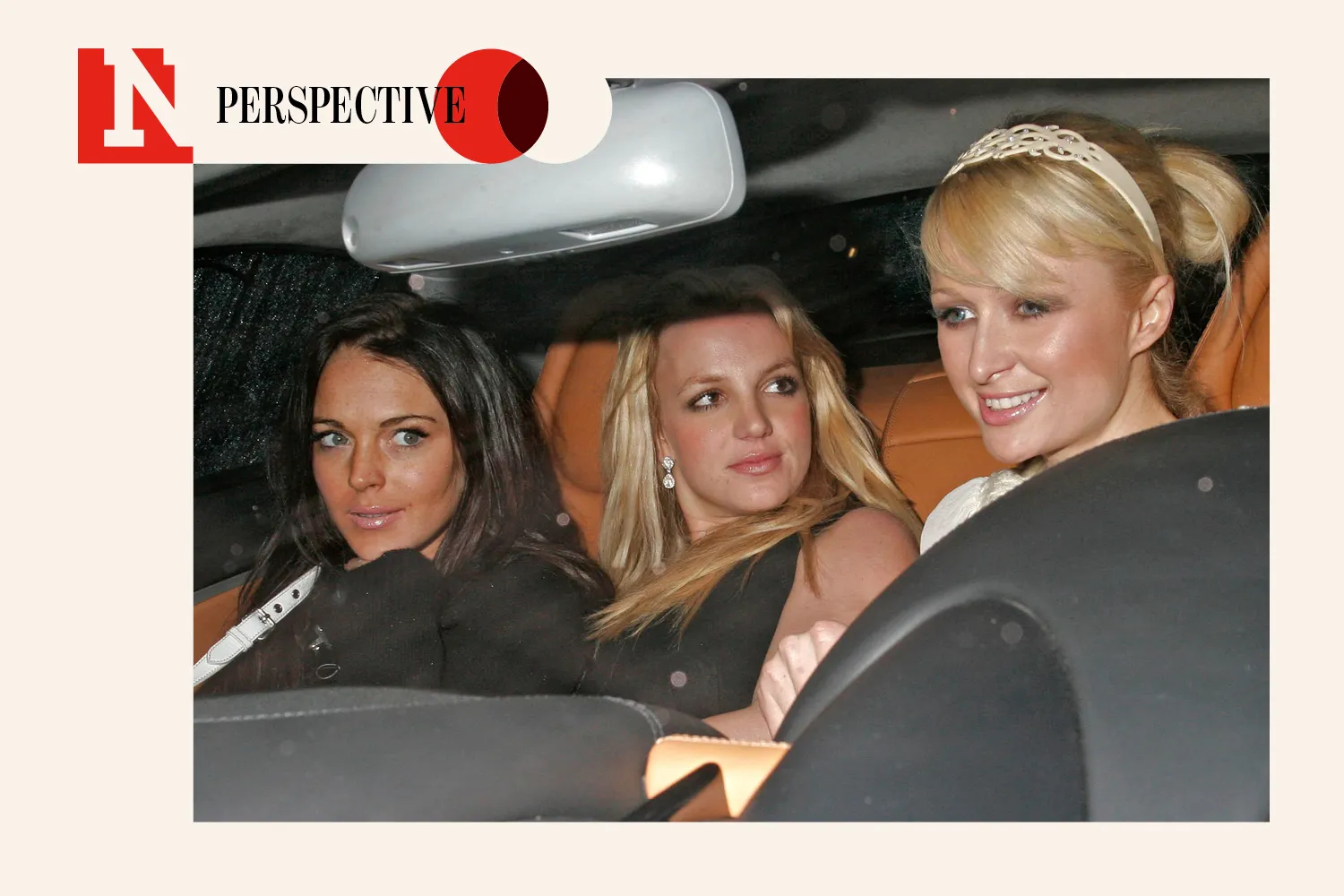
In 2006, Steve Jobs was hard at work putting the finishing touches on the first iPhone. Back then, having your phone in your pocket when you went out for the evening didn’t disrupt your "digital wellness strategy." It was just called going out.
Pay More, Get Less
Social media platforms once performed as advertised; they were spaces where users shared media to be social. Now, they are bottomless dopamine pits engineered to pull you in, while serving up ads from companies claiming to offer you a ladder out.
Take the Light Phone III, a cellphone that costs $899, before tax and shipping. For that considerable chunk of money, you get a phone with modern hardware, including 5G and a camera, but no social media, email, web browser, or news apps. The company says it is designed to help users "go against the grain of a culture that seems ready-made to distract you" and become "the most thoughtful & intentional version of yourself."
Hear that? If the Light Phone can really help you to self-actualize, then that old Nokia 3310 or Motorola Razr you have stuffed away in a dusty corner of your attic is practically a spiritual adviser.
Not ready to take the plunge and go full 2006? Brick sells a $59 device that lets you block selected apps by tapping your smartphone against it. Unblocking those apps requires you to return to the physical object—unless, of course, you simply can’t wait, in which case you can decide to emergency "unbrick" your phone from anywhere and restore full functionality anyway.
Perhaps the next innovation will be a monthly subscription to someone who slaps your phone out of your hand if you check TikTok at the dinner table.
Until now, if you wanted more functions and premium features from your tech, you paid more. Now, deliberately excluding those features justifies the price.
Serendipity, By Appointment
Once you've shelled out many benjamins to eliminate your tech addiction and reclaim your 2006 attention span, someone else would like to tell you—or rather, sell you—somewhere to put it.
Kanso, a company that appears to communicate exclusively in marketing-speak, advertises "intentional phone-free experiences and everyday living products for growth-minded people." In other words, you pay $40 a month for the pleasure of speaking to other human beings while your mobile device is stored in what Kanso calls a "phone hotel." Your phone enjoys temporary accommodation; all you get is a conversation.
Dating is getting a similar treatment.
Event management and ticketing platform Eventbrite reports that the number of U.S. events hosted on its website advertised as "meet-cutes" grew 117 percent in the first half of 2026 compared with a year earlier. People are downloading apps, making plans and paying for tickets to carefully constructed events, all in the hope they can experience the kind of "accidental" encounter that not so long ago required no infrastructure at all.
...
Tinder seems to be getting the message. The dating app renowned for pioneering "swipe right to like" and the king of casual hookups this year launched Tinder Events: an in-app feature that helps users discover and attend IRL events alongside other singles.
We engineered the fun out of our social lives and the chance out of romance. Now we're using every technological method and planning tool at our disposal to engineer them back in.
Ordinary Life Sold Separately
None of this makes the customers fools.
The same Pew analysis that found more than half of American adults say they spent too much time on their smartphone reported that only a quarter of Americans who tried to cut down their smartphone use described their efforts as very successful.
Modern tech is optimized to the Nth degree to improve convenience while simultaneously hogging our attention; looking for a way to reintroduce a bit of friction is hardly irrational. Nor was 2006 a paradise of harmless entertainment and effortless romance.
If you’re going to spend $50 at a bar or sign up for an art class anyway, why not go to one where people have agreed to leave their phones at the door? Maybe you really will strike up a conversation you otherwise wouldn’t have bothered with, or ask for the number of a person you normally would have been too distracted or anxious to approach.
But when you leave the venue, you’re immediately reminded that, sadly, this is no longer 2006. Today, you can put your own phone away if you have exceptional willpower, but you can’t put everyone else’s away. Technology is now ubiquitous; relief from it is the premium product.
Welcome back to 2006. Please select your payment plan.
View 0 Comments
Submit Correction
View Editorial & AI Guidelines