10
Loading video...

By Lucy Notarantonio
Senior Reporter
0
Share
Newsweek is a Trust Project member
See more of our trusted coverage when you search.Prefer Newsweek on Googleto see more of our trusted coverage when you search.
Body trends evolve over time, influenced by fashion, media and cultural shifts. In recent years, women have moved away from the pursuit of extreme thinness, instead striving for strength and curves—sometimes to an almost cartoon-like degree.
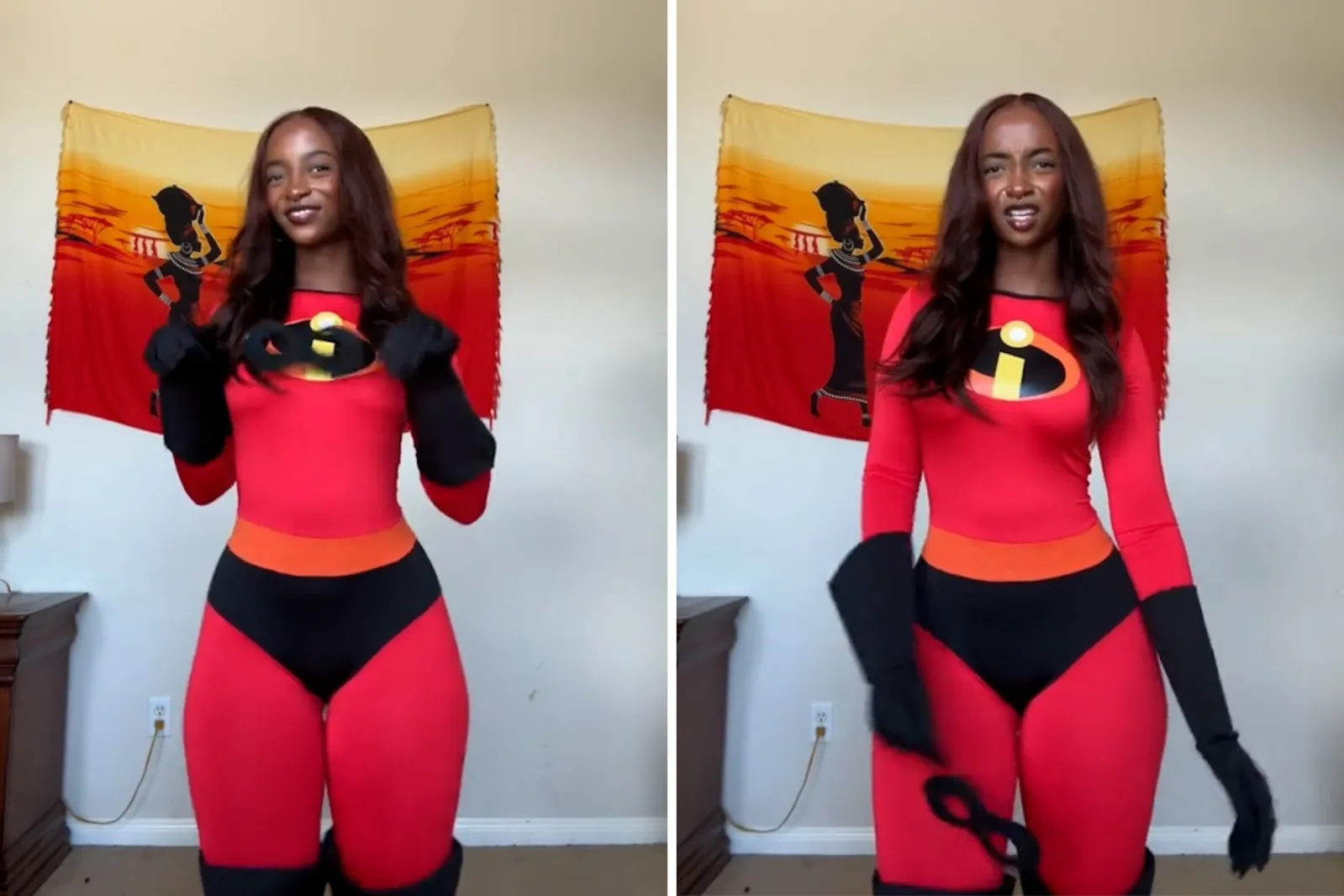
Fictional superhero Helen Parr, better known as Elastigirl from The Incredibles (2004), has become an unexpected body inspiration on social media. This exaggerated hourglass figure—dubbed the "Pixar Mom" body—has gained traction, with women seeking a smaller waist, fuller hips and strong thighs.
In a discussion with Newsweek, celebrity personal trainer Michael Baah, based in London, and content creator Sheila Abdul, 22, who is frequently compared to Elastigirl online and in real life, shared insights into this trending physique.
Read More on Wellness & Fitness
...
What Is a Pixar Mom Body?
Baah explained: "The 'Pixar Mom' body is characterized by a smaller waist, pronounced hips and fuller thighs, much like Helen Parr from The Incredibles. This body type closely resembles the pear-shaped physique, where fat distribution favors the hips, thighs and glutes over the upper body. While genetics largely determine this distribution, nutrition and targeted strength training play a significant role in enhancing or achieving this shape."
Abdul, whose body shape has gone viral on TikTok (@sheilaabdul4), told Newsweek: "I describe my body as a slim waist with big hips."
Although she isn't a mother, many people obsess over her "Pixar Mom" body online. One of her viral videos has amassed more than a half-million views and 99,800 likes, with comments such as, "You are literally built like the mother from The Incredibles" and "You look so good!!!"
Of course, while Elastigirl can stretch and reshape her body at will, real-life transformations require more effort.
Baah added: "For those not naturally predisposed to this body type, the key lies in progressive overload—gradually increasing weight, frequency, or exercise intensity—while ensuring nutrition supports muscle growth and body composition goals."
The Science Behind Strong Thighs
A 2009 Danish study found that individuals with thighs smaller than 60 cm (23.6 inches) had a higher risk of heart disease and early death, regardless of obesity or other risk factors. However, larger thighs didn't necessarily provide additional benefits. Researchers suggest that low muscle mass could be a contributing factor, highlighting the importance of strength training for overall health.
With nearly two decades of experience training TV, film and music professionals, Baah has helped many clients sculpt and enhance their natural shapes using science-backed strategies.
How to Train for the 'Pixar Mom' Look

...
For those looking to achieve a figure like Abdul's, Baah (@MichaelBaah_ on Instagram) shared the following expert tips:
1. Nutrition Is Key
"This transformation requires time and dedication—quick fixes won't provide sustainable, lasting changes," he said.
- A slight calorie surplus supports lower-body muscle growth, while eating at maintenance calories helps with muscle tone.
- Protein intake should be 1.6 to 2.2 grams per kilogram of body weight daily, sourced from lean meats or plant-based alternatives.
- Carbohydrates fuel workouts, while healthy fats support hormone regulation, crucial for muscle development.
"Nutrition is non-negotiable," Baah emphasized. "Without proper calorie intake and macronutrient balance, strength training alone won't achieve the desired results."
2. Progressive Overload and Full-Body Training
- Gradually increasing weights ensures consistent muscle growth, particularly in the lower body.
- Training the upper and lower body creates a balanced, aesthetically pleasing figure while improving strength and posture.
Is there a health issue that's worrying you? Let us know via health@newsweek.com. We can ask experts for advice, and your story could be featured on Newsweek.
View 0 Comments
Submit Correction
View Editorial & AI Guidelines