
...

By Alice Gibbs
Senior Reporter
0
Share
Newsweek is a Trust Project member
See more of our trusted coverage when you search.Prefer Newsweek on Googleto see more of our trusted coverage when you search.
A New Mexico woman has died after contracting plague, marking the state’s first human case of the disease in 2026 and prompting health officials to assess whether there is any ongoing risk to the public.
The death, confirmed by the New Mexico Department of Health, involved a resident of Santa Fe County. Authorities said they are contacting the woman’s close contacts and conducting an environmental investigation to determine if anyone else may have been exposed.
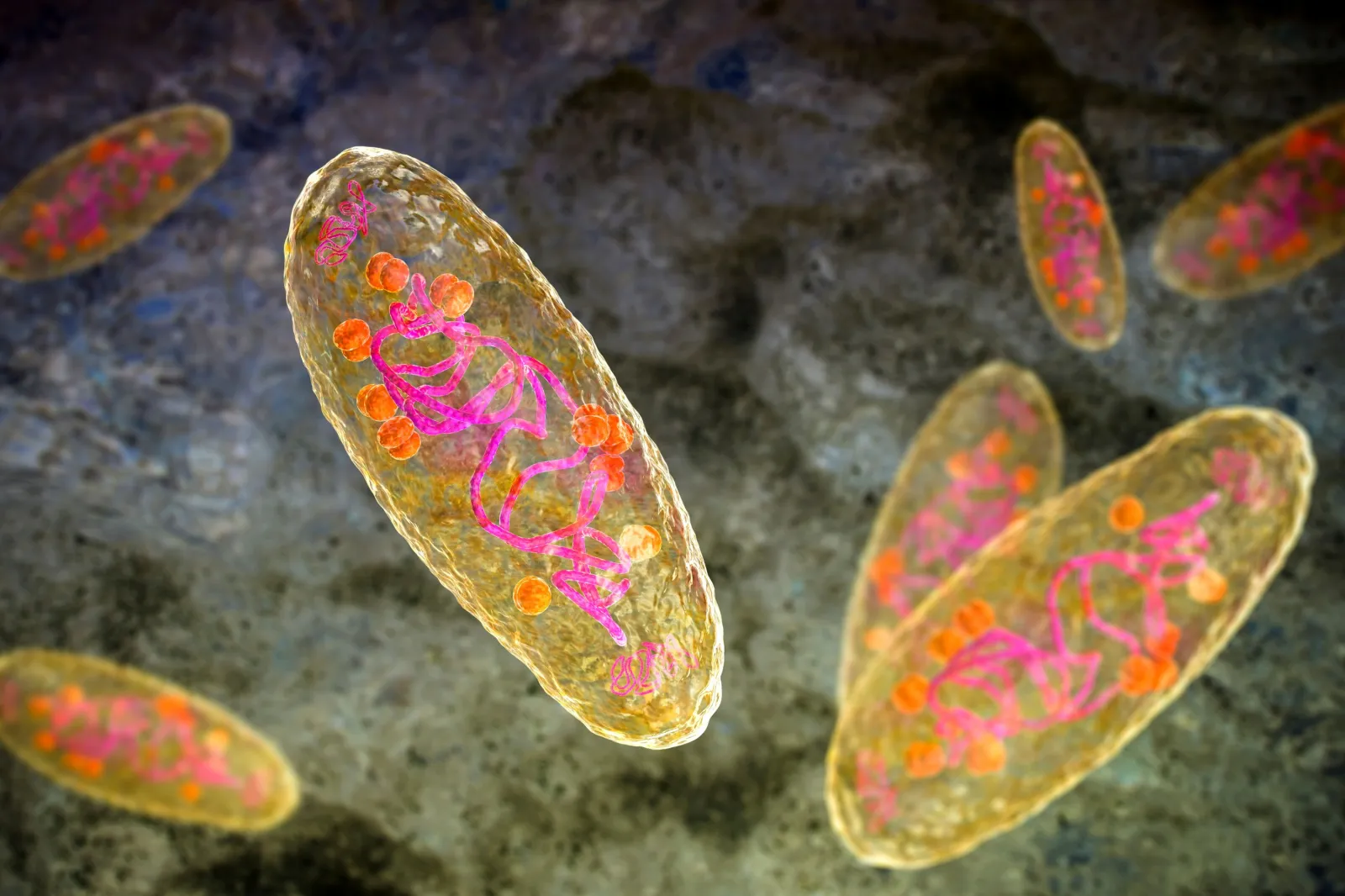
Plague, a bacterial disease best known for its role in the medieval “Black Death,” still exists in parts of the western United States, where it circulates among rodents and can spread to humans through infected flea bites or contact with animals.
Read More on Health
While headlines about a plague death may cause some anxiety, particularly as millions of people travel to North America for the 2026 World Cup, experts say the risk to the wider U.S. public remains very low.

...
How Common Is Plague in the United States?
Plague cases in the U.S. are rare and typically isolated. An average of about seven human infections are reported each year nationwide, according to the Centers for Disease Control and Prevention (CDC).
Most cases occur in rural parts of the West—including northern New Mexico, Arizona and Colorado—rather than densely populated urban areas.
New Mexico in particular reports a small number of infections each year, often one to three cases, with occasional fatalities. The state recorded three human plague cases in 2025, and one in 2024, which was fatal.
New Mexico State Public Health Veterinarian Erin Phipps told Newsweek: “There is no need for increased concern, but we encourage people who live in areas where plague circulates to be aware of the risk. The bacterium that causes plague circulates in wild rodents throughout much of the western United States, and New Mexico has the highest number of cases than any other state. It is important for people who live in these areas to be aware of this risk and how to protect themselves and their pets.”
Health officials emphasize that plague can be effectively treated with antibiotics if caught early, significantly reducing the risk of death.

...
Why This Case Is Not a Wider Outbreak
Unlike airborne viruses, plague does not spread easily between people. Most infections occur through environmental exposure—particularly flea bites linked to rodents or pets—not person to person contact.
At least three dogs have been diagnosed with plague in 2026. In 2025, one cat and four dogs were confirmed to have plague. While human-to-human transmission is possible in severe pneumonic cases, it is considered rare and typically requires close contact.
That means individual cases, even fatal ones, do not usually signal broader outbreaks, and public health investigations are largely precautionary.
How It Fits Into a Wider Picture of Diseases
Plague is not the only disease to hit headlines recently. Hantavirus, screwworm and Ebola are all examples of diseases that can be serious or even fatal—but none of them spread easily in everyday settings.
Hantavirus is primarily transmitted through contact with rodent droppings or urine, not person-to-person in typical scenarios. While a recent cluster aboard a cruise ship drew international attention—and even raised questions about limited human-to-human transmission in rare strains—such situations are highly unusual and involved close, prolonged contact in confined settings rather than casual exposure.
Screwworm, meanwhile, has been detected in animals in the U.S., but there are no locally acquired human cases, and the risk to people remains low. The parasite was officially eradicated from the United States in the 1960s, but has recently re-emerged closer to the border, with cases now confirmed in Texas and in animals including pet dogs. Despite that spread, infections in humans remain extremely rare and typically require direct contact with infested wounds.
Even Ebola, often cited as one of the most dangerous pathogens, requires direct contact with bodily fluids of a symptomatic person, making sustained spread in public settings unlikely without very specific conditions. During outbreaks in Africa, the U.S. has historically implemented airport screening and monitoring protocols for travelers, further reducing the likelihood of wider spread. Unlike airborne viruses, Ebola does not transmit through casual contact.
Taken together, these diseases are poorly suited to rapid spread in crowded environments, experts say.
...
The Diseases Experts Are Actually Watching at the World Cup
While rare infections can dominate headlines, epidemiologists say the bigger public health concern at mass gatherings is far more familiar. "Any time you get a lot of people coming together for a large celebratory event, such as a sports tournament, you have to worry about public health challenges like infectious disease outbreaks," said Brown University epidemiologist William Goedel in a statement.
Highly contagious respiratory illnesses—such as measles, flu, or COVID-like viruses—are significantly more likely to spread in packed stadiums, transit systems and fan zones.
In the backdrop of the World Cup, the CDC has reported 2,073 confirmed measles cases in 2026, while a new COVID-19 variant BA.3.2, also known as "cicada," is spreading across the U.S. having already been identified in 25 states according to the CDC.
Goedel has developed a tool that shows all World Cup sites and where people will be congregating with the hope of being able to better track the spread if an infectious disease outbreak does occur.
“This kind of information is invaluable for public health experts so that if a disease outbreak happens, they can understand where it may have started and where it will spread next,” Goedel said.
Goedel explained that headline-grabbing diseases are not a big concern for epidemiologists. “Considering the high density of people from all over the world, we are more focused on COVID-19, measles and norovirus,” he said. “The U.S. has had quite a struggle with measles over the last couple of months. Measles cases have been reported this year in every state that will host a team or match for the World Cup.”
The Bottom Line
The New Mexico death is a reminder that diseases like plague have not disappeared. But in the context of the wider U.S.—and even large-scale international events—they remain rare, localized and unlikely to spread widely.
For World Cup fans and travelers, experts say the bigger risks are the ones that spread easily, not the ones that make the most alarming headlines.
Update 06/15/26, 03:20 a.m. ET: This story was updated with comment from Erin Phipps.
View 0 Comments
Submit Correction
View Editorial & AI Guidelines