10
Loading video...

By Liz O'Connell
Reporter
0
Share
Newsweek is a Trust Project member
See more of our trusted coverage when you search.Prefer Newsweek on Googleto see more of our trusted coverage when you search.
A new mother recently shared her experience of a sudden change in feelings toward her dog—a reaction known as postpartum pet aversion.
After welcoming her baby, Elen Pinsky Keren, a Melbourne-based psychology graduate, mother and founder of The Postpartum Society, a motherhood platform focused on psychology-informed content around postpartum recovery, maternal identity and early parenthood, said the bond she once cherished with her dog suddenly felt different. Walking together and bonding times were replaced by irritation, leaving her confused and guilty over emotions she never expected to experience. But her story is far from unusual.
Marilyn Cross Coleman, a California-based licensed clinical social worker and perinatal mental health specialist, told Newsweek that while postpartum pet aversion is not an official diagnosis, it is something she frequently encounters in her work with new parents.
Read More on Pets
"A once-loved and adored pet can very quickly spark feelings of irritation or overwhelm when a new baby arrives," she said. "These types of reactions are very common, and they are a normal response to profound postpartum emotional and neurological shifts."
...
How to Know If You're Experiencing Postpartum Pet Aversion
Postpartum pet aversion typically begins with an unexpected shift in how a parent feels toward their pet after bringing home a new baby. For Elen, that shift meant the quiet evening cuddles she once looked forward to suddenly felt overwhelming.
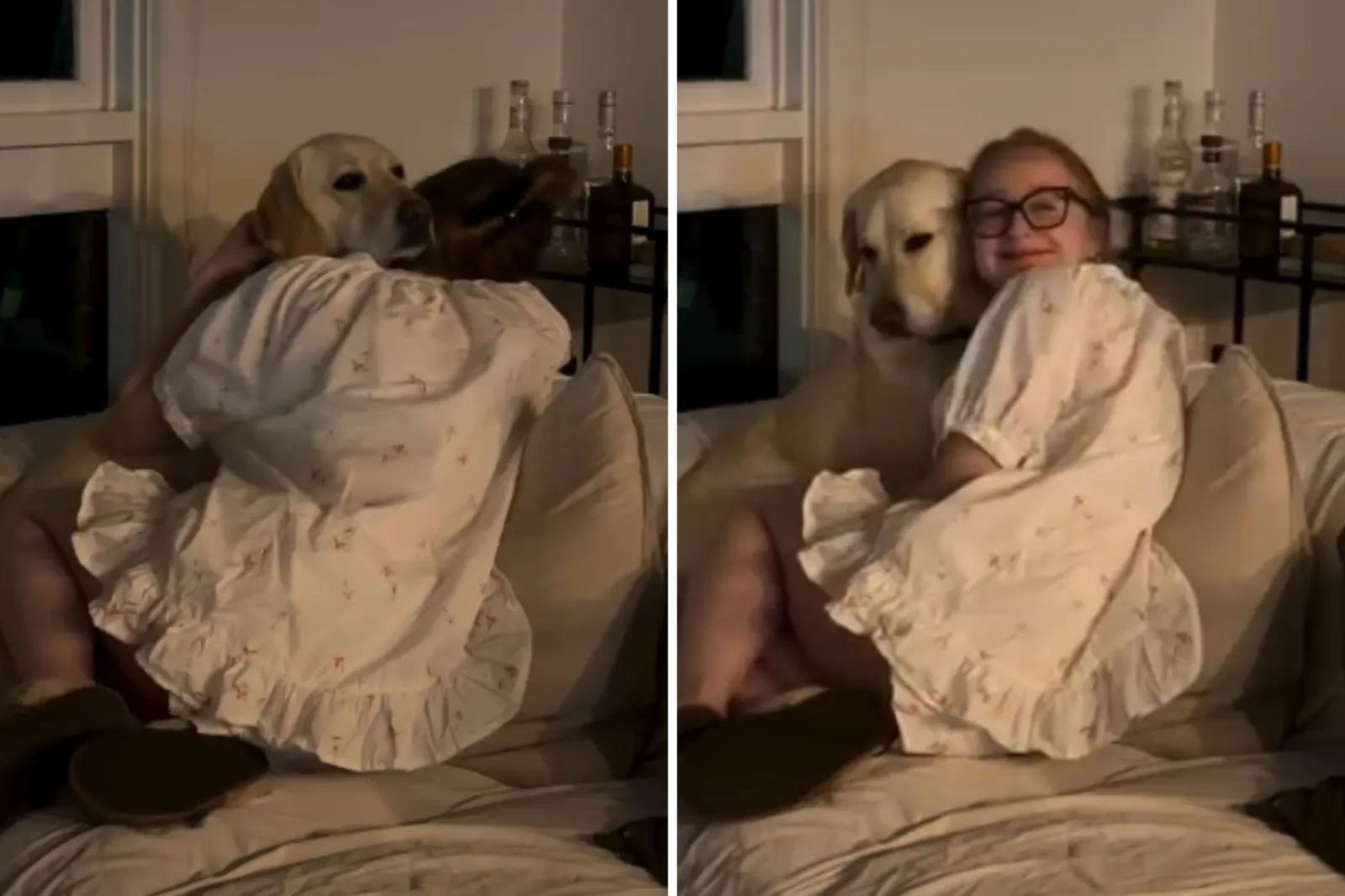
"I never treated Ivy as a pet. She was a proper family member from day one," Elen told Newsweek. "She slept in our bed, came on couple getaways with us, and every single evening we'd be on the couch together watching TV. She's my first baby. I genuinely mean that."
After giving birth, Elen said she experienced a shift she "hadn't anticipated and couldn't immediately name."
Between nursing, soothing, diaper changes and trying to get her baby to sleep, Elen found herself at the end of the day thinking, "Oh wow, I haven't paid attention to Ivy at all today."
"Interacting with the pet can feel overstimulating or like it's just one more chore when it had once been a comforting activity," Cross Coleman said.
Elen said the shift was not because she stopped loving her dog, but because everyday parts of caring for a pet suddenly felt overwhelming while she was adjusting to life with a newborn.
"Every little bark, especially when the baby had finally fallen asleep, the sound of her nails on the floor, her licking the baby mat—things that had never registered before suddenly felt like too much," she said.
Parents may also become unusually anxious about their pet interacting with their baby or develop resentment toward the animal despite still loving them. The experience is often accompanied by guilt or shame, particularly because the change in feelings can seem out of character.
Cross Coleman said these emotional responses, especially when paired with overwhelm and fatigue, can be a key indicator for someone experiencing postpartum pet aversion.
Related Story

Vet Reveals the 3 Most Common Mistakes Dog Owners Make During Fireworks
Why It Happens
The change, Cross Coleman said, is less about the pet itself and more about the dramatic shifts occurring in a new parent's brain and nervous system.
"It’s important to understand that the neurological changes that occur after giving birth have literally rewired the brain to prioritize keeping the new infant alive," Cross Coleman said. "That’s the primary goal, and all other tasks are deprioritized."
Hormonal shifts, chronic sleep deprivation and the constant sensory demands of caring for a newborn can leave parents with little emotional bandwidth, causing behaviors that once seemed endearing to become overstimulating.
In Elen's experience, she felt "depleted," and there was nothing left in her tank by the time she put the baby to sleep.
Despite her background in psychology and postpartum education, Elen said postpartum pet aversion was something she had never heard discussed before experiencing it herself.
"I knew about the baby blues, postpartum anxiety, matrescence—the psychological identity transition into motherhood," she said. "But postpartum pet aversion? Nobody had ever mentioned it to me."
Some parents also become concerned about the pet around the baby, worrying about barking, germs or accidental scratches as their protective instincts heighten.
Pets Are Adjusting Too
While new parents are navigating dramatic physical and emotional changes, pets are also adjusting to a new reality.
"Dogs notice almost everything," Mel Ritterman, a dog behavior specialist with Cooper and Kids, told Newsweek. "Suddenly their home smells different, sounds different, and their daily routine changes overnight."
Newborns bring unfamiliar sounds, visitors, altered routines and reduced attention—all of which can affect a dog’s sense of stability. While many dogs adapt well, others find the transition overwhelming. Dogs could become clingier, seek more attention, seem withdrawn, sleep more, pace, bark or show signs of stress, which often are mistaken for jealousy.
"In reality, many of these behaviors stem from stress, uncertainty, frustration or unmet needs," Ritterman said. "The dog isn't trying to make life harder—they're communicating that they're struggling with the sudden changes around them."
When It May Be Something More
Postpartum pet aversion is generally temporary and specific to the demands of a pet during the postpartum adjustment period, improving as parents adjust to the new lifestyle.
However, if irritability extends well beyond interactions with a pet or is accompanied by hopelessness, severe anxiety, panic, persistent sadness, intense anger or difficulty functioning, it may be part of a broader postpartum mental health condition, Cross Coleman said.
What to Do Next
The most important step, Cross Coleman said, is removing shame from the equation.
"There is no need for shame or guilt if you are having these feelings," Cross Coleman said. "Try asking yourself what your nervous system is trying to communicate through these feelings. Usually, the answer is that you are exhausted and overwhelmed."
If possible, she recommends asking a friend or family member to help with dog walks or other pet responsibilities while adjusting to life with a newborn. She also advises against making permanent decisions about rehoming a pet during the early postpartum period unless safety is a concern.
Ritterman said helping dogs through the transition doesn't require a perfect routine, just a predictable one that helps them feel safe, loved, and supported.
Ritterman recommends maintaining familiar routines where possible, even in shortened form, and incorporating enrichment activities such as sniffing games, lick mats, or food puzzles. Providing a quiet place for the dog to rest away from the baby and rewarding calm behavior around the newborn can also help ease the transition.
Even small moments of one-on-one time can make a difference.
Elen said she found that small moments of connection helped rebuild her bond with Ivy during the adjustment period.
"On the hardest days, I'd remind myself to just stop and pet her for a few seconds," she said. "Give her a quick kiss. Those tiny moments stopped the complete disconnection from happening."
All three stressed that postpartum pet aversion does not mean a parent has stopped loving their pet.
"That is rarely the case," Cross Coleman said. "Your brain has recalibrated to have one job: to keep your infant alive. Anything outside of that directive has lost importance—for now."
For parents like Elen, that reassurance can help replace guilt with the understanding that the shift is often temporary and doesn't mean the bond with a beloved pet is gone for good.
Contact Newsweek editors on this story: Kara Dolman and Sam Wilson.
View 0 Comments
Submit Correction
View Editorial & AI Guidelines