...

By Anna Rahmanan
0
Share
Newsweek is a Trust Project member
See more of our trusted coverage when you search.Prefer Newsweek on Googleto see more of our trusted coverage when you search.
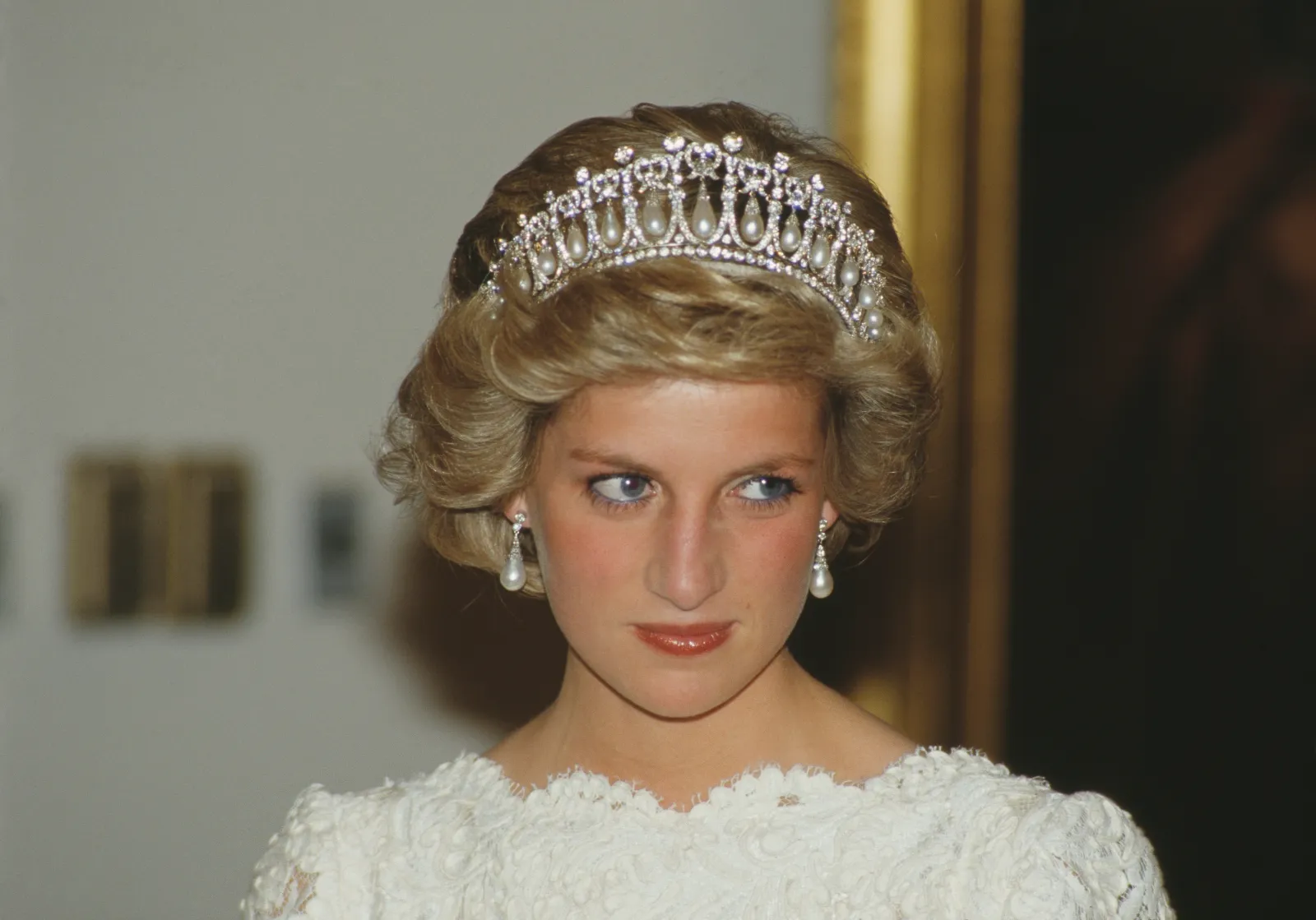
Britain has spent nearly 30 years trying to turn Princess Diana from a living controversy into royal history. America has declined the invitation.
Charles Spencer’s new memoir, Swan Song: Diana, My Sister, arrives September 22 with his account of the week after his sister’s death, including the allegation that the future King Charles told him during an argument over Diana’s funeral: "Rest assured, we’ll forget her soon enough." Buckingham Palace has responded that grief can "cloud reason, affect judgment and colour memory."
Possibly. Although after three decades of Diana Documentaries! Auctions! Biographies! Podcasts! Front pages! Forgetting her has proved a remarkably unsuccessful royal strategy.
Read More on News
Consider the peculiar staying power of the dispute. The alleged conversation happened in 1997, one main character is dead and the other is king.
The British monarchy has tried to do what monarchies are built to do: absorb the scandal and stage the next ceremony.
Related Story

Ed Sheeran’s Two-Chord Solution to Pop’s Dumbest War
Related Story

Menopause Just Went Mainstream
Related Story
Trump the Messiah Sees Judas Everywhere
Which may explain the palace’s problem. It is answering Charles Spencer’s recollection of a private argument from the last century because Diana still has the one advantage no palace press office can confer on a king: an audience emotionally invested in her side of the story.
America has heard the British monarchy’s case and yet we are still Team Diana.
Why?
Perhaps the allure depends entirely on our ability to experience royalty as celebrities with unusually complicated job security.
...
Britons have to contend with the monarchy as an institution and everything that comes with it: succession, money, constitutional convention, duty. Americans get the edited version of the shenanigans: from sordid affairs to feuds between siblings, oh-so-many weddings and the occasional balcony appearance and royal wave. Pure celebrity cravings, constantly satisfied.
The arrangement was especially good for Diana, who possessed everything American celebrity culture knows what to do with: glamour, vulnerability, romantic disappointment, spectacular clothes and the sort of rebellion that inspires teenage girls to make solemn declarations about never settling.
And character arcs are hard to beat.
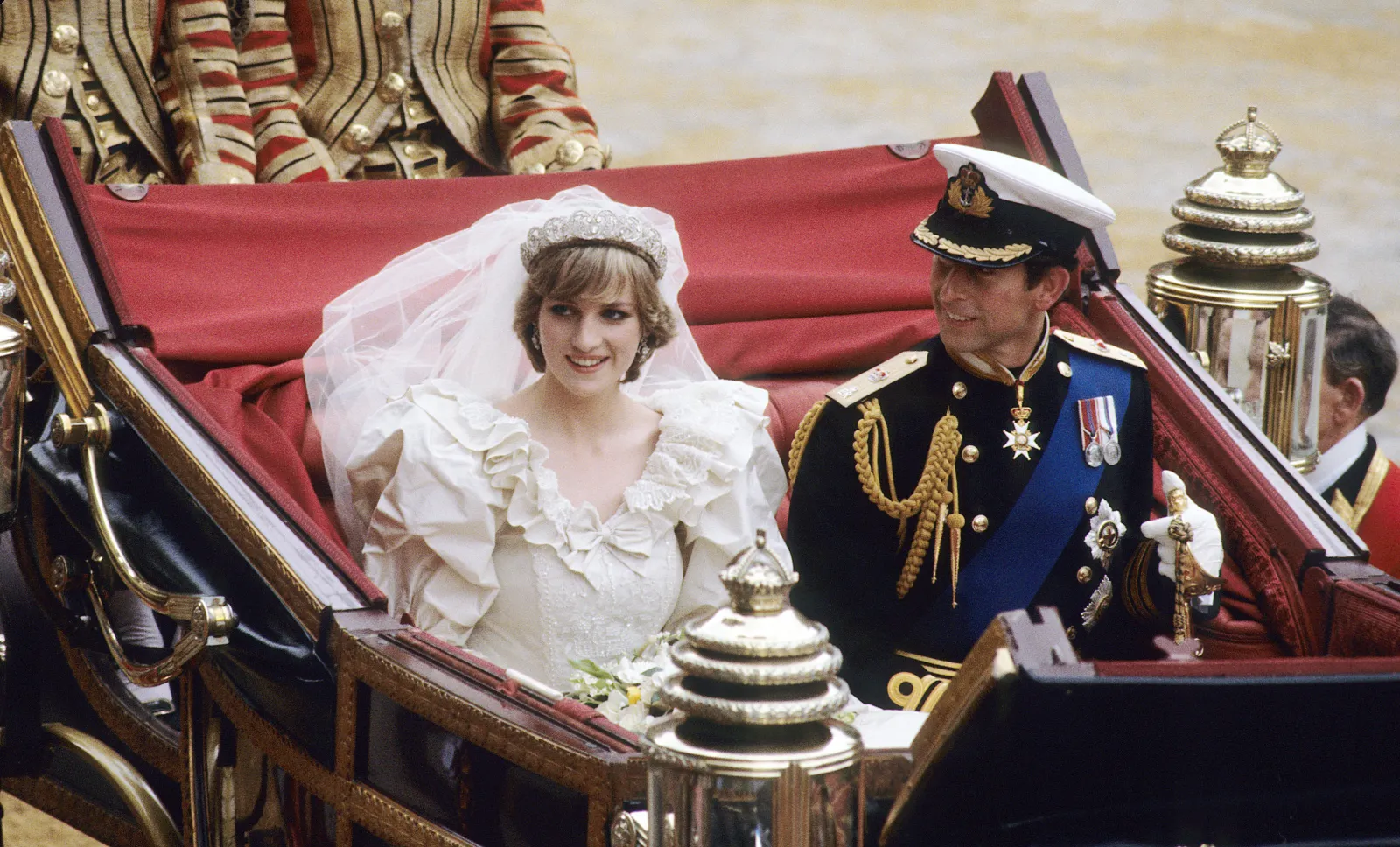
To Americans, the marriage between Charles and Diana increasingly resembled the oldest celebrity story there is: the beautiful young woman gets the fairy tale and discovers the fairy tale is a terrible place to live.
By the time Diana died, Americans did not feel as if they were following a foreign institution. Many felt they knew her. In a Gallup survey conducted days after her death, 27 percent of Americans said they were as upset as if someone they personally knew had died.

...
There is little evidence that affection has faded much: in 2024, YouGov found that 76 percent of Americans viewed Diana favorably, compared with 42 percent for Charles and 30 percent for Queen Camilla.
Diana had then been dead for 27 years.
Of course, the Diana Americans remember is partly a construction. She could use the media as skillfully as the media used her, which may have been one of her most genuinely royal talents. Spencer is her brother and is explicitly telling the story from his perspective and let's just say that memories of emotionally shattering events three decades later deserve scrutiny.
But those caveats also explain why the palace has such a difficult hand.
Institutions ask people to consider context whereas celebrity culture asks them to pick a protagonist.
America picked Diana a long time ago, and almost everything since has reinforced the casting. Think about it: Charles inherited the crown but Diana kept the audience.
For a monarchy, one of those is supposed to matter more.
For America, it was never much of a contest.
View 0 Comments
Submit Correction
View Editorial & AI Guidelines