10
Loading video...

By Giulia Carbonaro
Senior Reporter
0
Share
Newsweek is a Trust Project member
See more of our trusted coverage when you search.Prefer Newsweek on Googleto see more of our trusted coverage when you search.
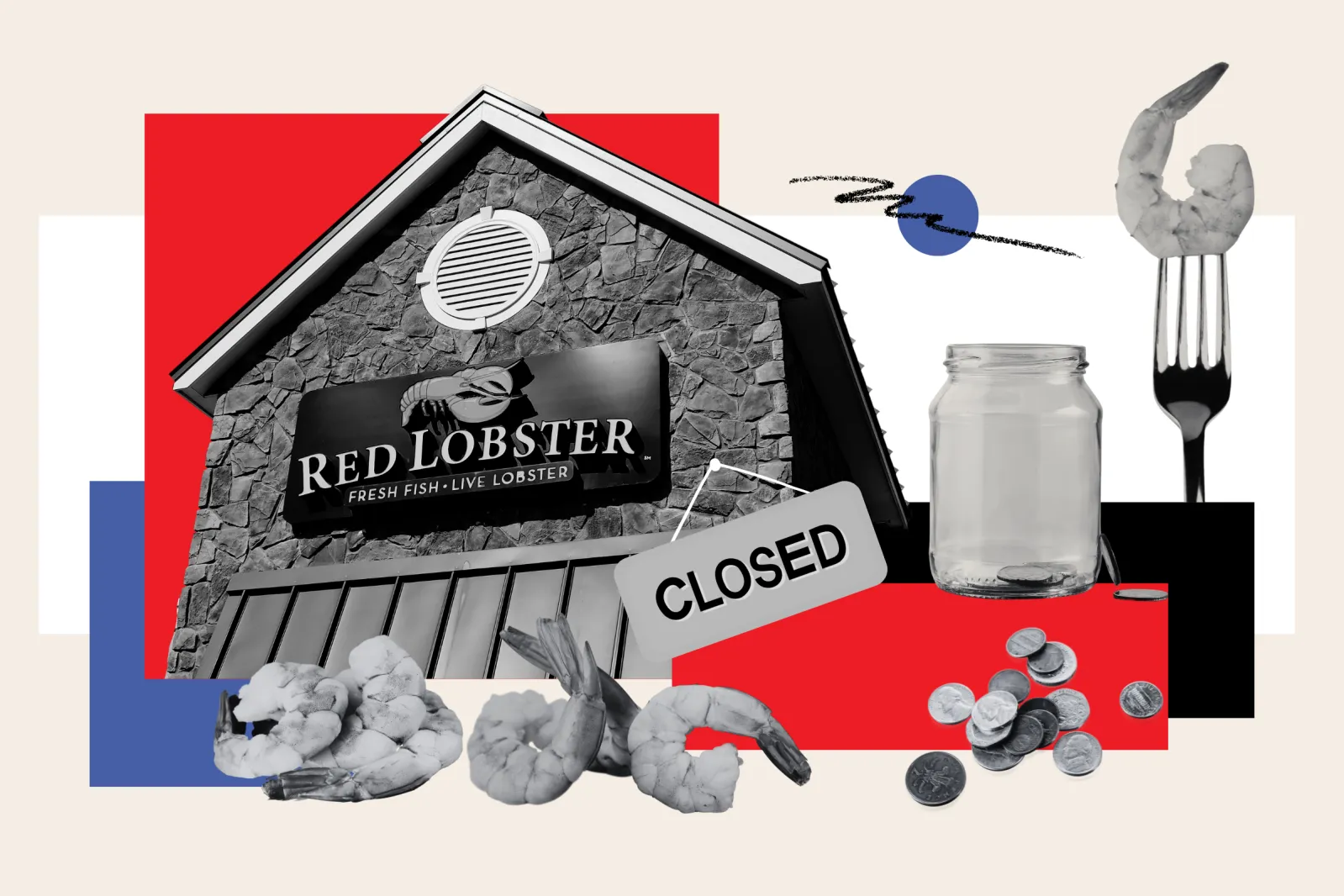
The abrupt closure of more than 50 Red Lobster restaurants across the country on Monday revealed just how deep the crisis experienced by the seafood chain is—and put a question mark over its future.
On Monday, restaurant liquidator TAGeX Brands wrote on X, formerly known as Twitter, that it was leading the closure of more than 50 Red Lobster locations throughout the U.S. and auctioning their kitchen equipment and furniture. On Tuesday, Restaurant Business Magazine wrote that about 99 Red Lobster locations were closing—roughly 15 percent of the company's presence in the U.S.
Read more: The Best Credit Cards for Restaurants and Takeout
Read More on News
Red Lobster has not responded to a request for comment from Newsweek.
For years, Red Lobster has been struggling with declining sales and profits, significant debt, unfavorable lease terms and repeated turnover of executives who didn't solve the company's problems.
...
One major attempt to improve Red Lobster's standing in the market and grow its customer base backfired and is now being blamed as the main factor in the company's decline.
Last year, Red Lobster turned its "Ultimate Endless Shrimp" deal from a temporary offer to a permanent item on their regular menu. The deal gives customers the opportunity to choose two types of shrimps and order as much as they can eat for only $20.
While Restaurant Business Magazine wrote that the deal helped grow traffic to Red Lobster restaurants by 4 percent compared to the previous year, it also forced the seafood chain to spend a little more than they were gaining.
Read more: American Express Gold Card Review
"Last year's attempt by Red Lobster to address tighter dining budgets and draw in more customers with a new 'all-you-can-eat' shrimp deal was so popular, it cost the restaurant $11 million in losses in just one quarter," Kevin Hart, chief sales officer at Upside, a two-sided marketplace for both restaurants and consumers, told Newsweek.
Thai Union Group, Red Lobster's parent company, said that the deal had been a "key factor" in the losses reported by the company. "We knew the price was cheap, but the idea was to bring more traffic to the restaurants," Thai Union Group's CFO Ludovic Garnier told investors in November 2023, as reported by Restaurant Business. "So we wanted to boost our traffic, and it didn't work."
Earlier this year, Thai Union said it intended to divest from the seafood chain. In a statement to Newsweek, Thai Union Group, which owns a 25 percent stake in Red Lobster, wrote: "Thai Union Group is in the process of exiting its minority investment in Red Lobster (Thai Union never owned Red Lobster). Please understand that we do not wish to comment further."
But the endless shrimp deal was only the last blow to the company. According to Hart, so many other restaurants are struggling in the current economic environment.
"Traffic is down and margins tighter than ever, leading many brands, like Red Lobster, to turn to value menus and other promotions that don't always pay off," he said.
"The question is not about whether or not to find ways to provide diners with more value—that's always a good idea. The question is about how to provide that value," he added.
A one-size-fits-all discounting strategy like the one attempted by Red Lobster is tricky, Hart said. "It's actually cannibalizing a restaurant's expected profit if it's not driving incremental traffic," he explained. "In other words, unnecessarily discounting items for diners who would have visited without the perk is bad for business. That leaves stores in an even tougher financial position."
Thai Union also played a role in the demise of Red Lobster.
Former Red Lobster divisional vice president Les Foreman told ABC 7 that the shareholder "didn't have any idea about running a restaurant company in the United States." He added: "It was miserable working there for the last year and a half I was there. It was just a matter of (Thai Union) cutting costs everywhere they could."
It is unclear what will come next for the seafood chain. In March, Red Lobster was reportedly considering filing for Chapter 11 bankruptcy. Last month, the company was seeking a buyer, according to CNBC, but found none.
Update, 05/17/24 10:50 a.m. ET: This article was updated with comment from Thai Union Group.
View 0 Comments
Submit Correction
View Editorial & AI Guidelines