
Photo-Illustration by Newsweek/Getty/Associated Press

By Jesus Mesa
Reporter
0
Share
Newsweek is a Trust Project member
See more of our trusted coverage when you search.Prefer Newsweek on Googleto see more of our trusted coverage when you search.
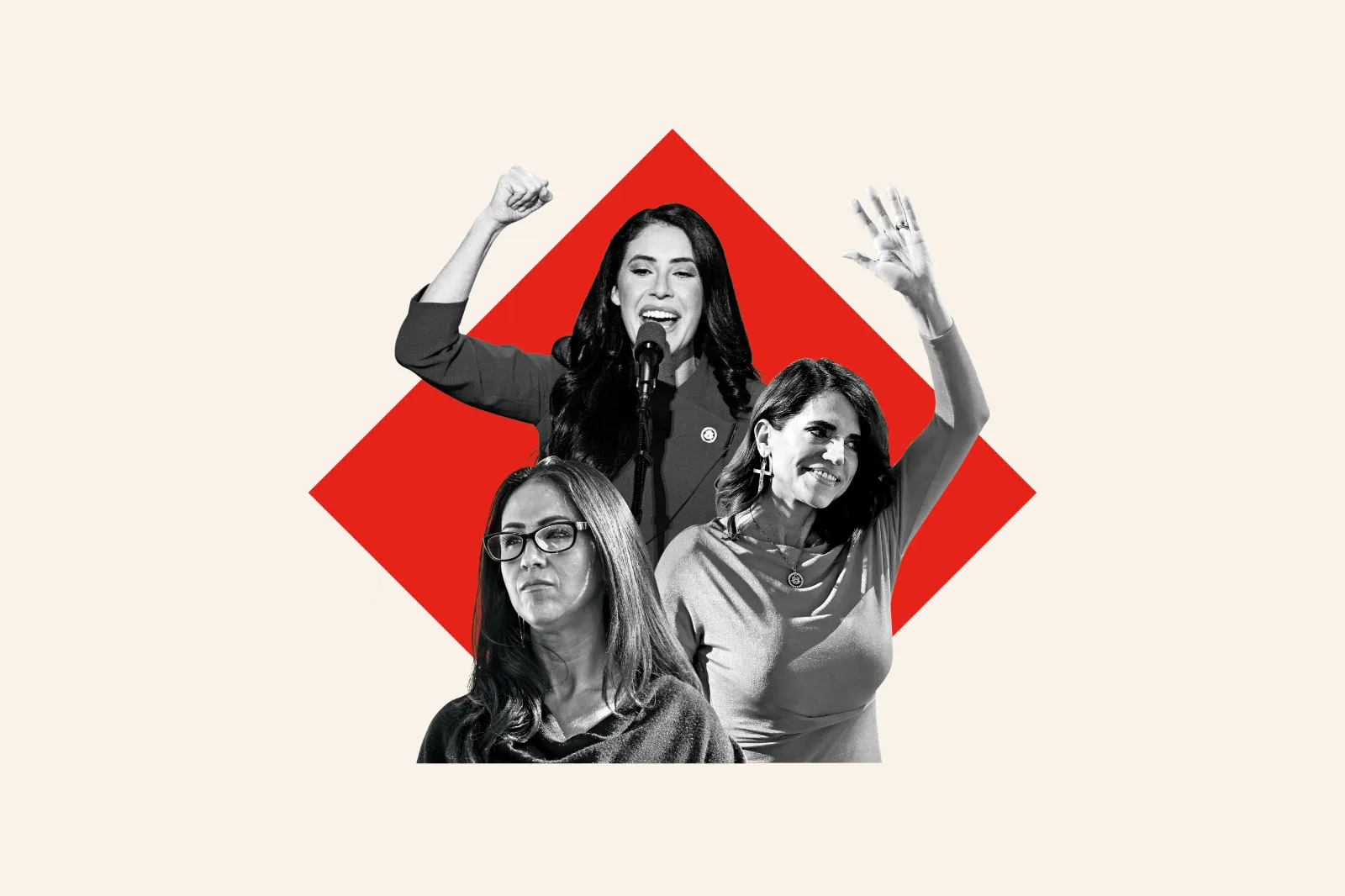
For months, a push for sexual misconduct accountability and transparency in Congress has been building inside the House, driven by a group of Republican women with a blunt message: No member is above scrutiny, regardless of party.
Representatives Nancy Mace of South Carolina, Anna Paulina Luna of Florida, and Lauren Boebert of Colorado have spent months pressuring colleagues from both parties, arguing Congress has long failed to police itself over workplace misconduct.
In several cases, that pressure has escalated into direct confrontation between members, reflecting growing fractures inside the House. The dynamic has made the fight over misconduct not only institutional, but increasingly personal.
Read More on Politics
...
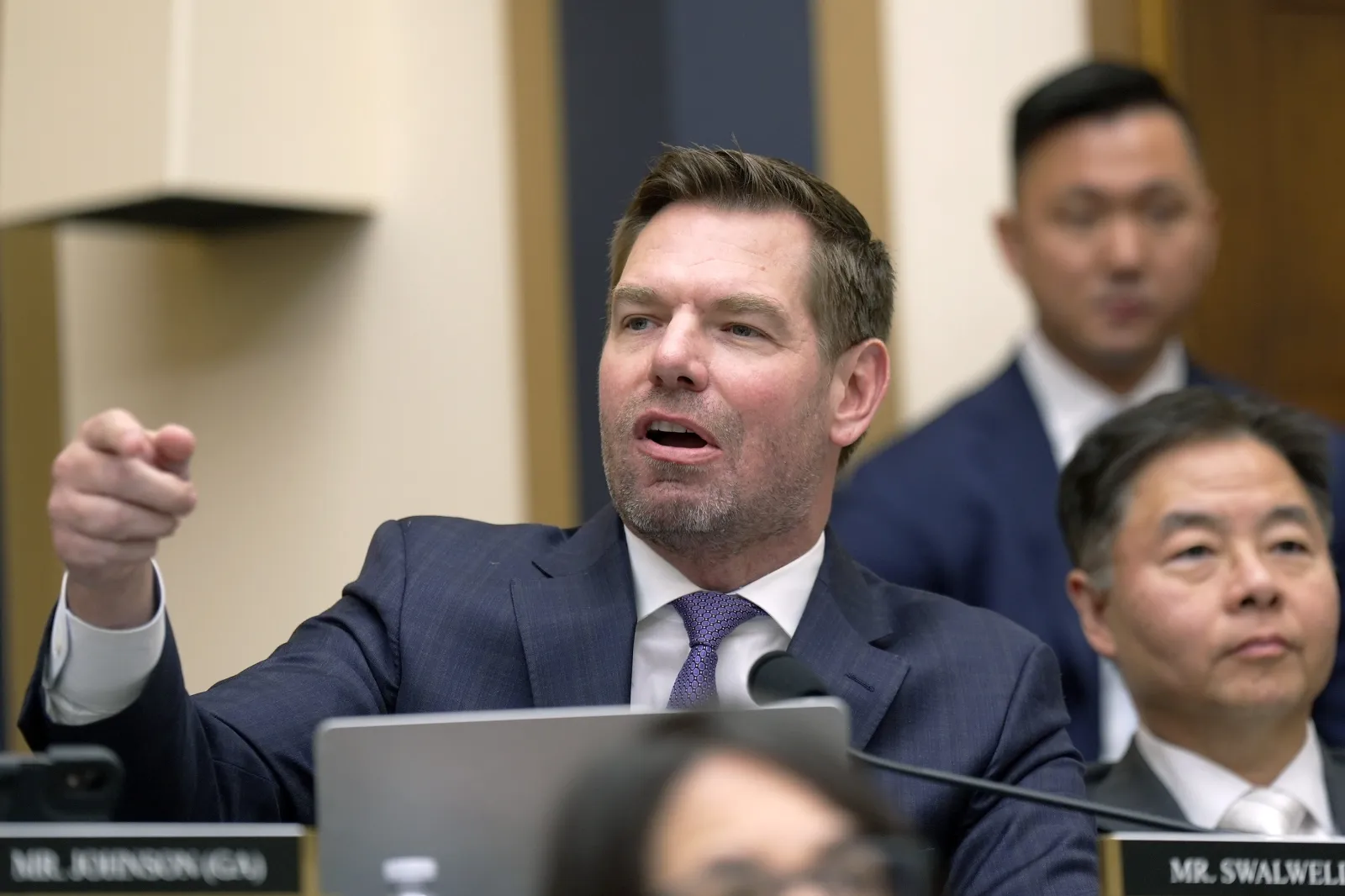
On April 13, both Representative Eric Swalwell, a California Democrat, and Representative Tony Gonzales, a Texas Republican, announced they would step down amid sexual misconduct allegations and the growing prospect of expulsion votes.
Their departures marked one of the most visible accountability moments since the height of the #MeToo movement, when allegations of abuse and harassment reshaped careers across Hollywood.
Lawmakers describe the juncture as the culmination of a pressure campaign that has been building across partisan lines. The congresswomen’s push has expanded from individual resignation demands to broader efforts to force disclosure of internal ethics findings and subpoena congressional records. “Our subpoena motion will put it all on the table,” Mace said in a statement to Newsweek. “Swalwell and Gonzales are only two out of 435. We want to know what every member of Congress is hiding and using taxpayer dollars to keep buried.”
...
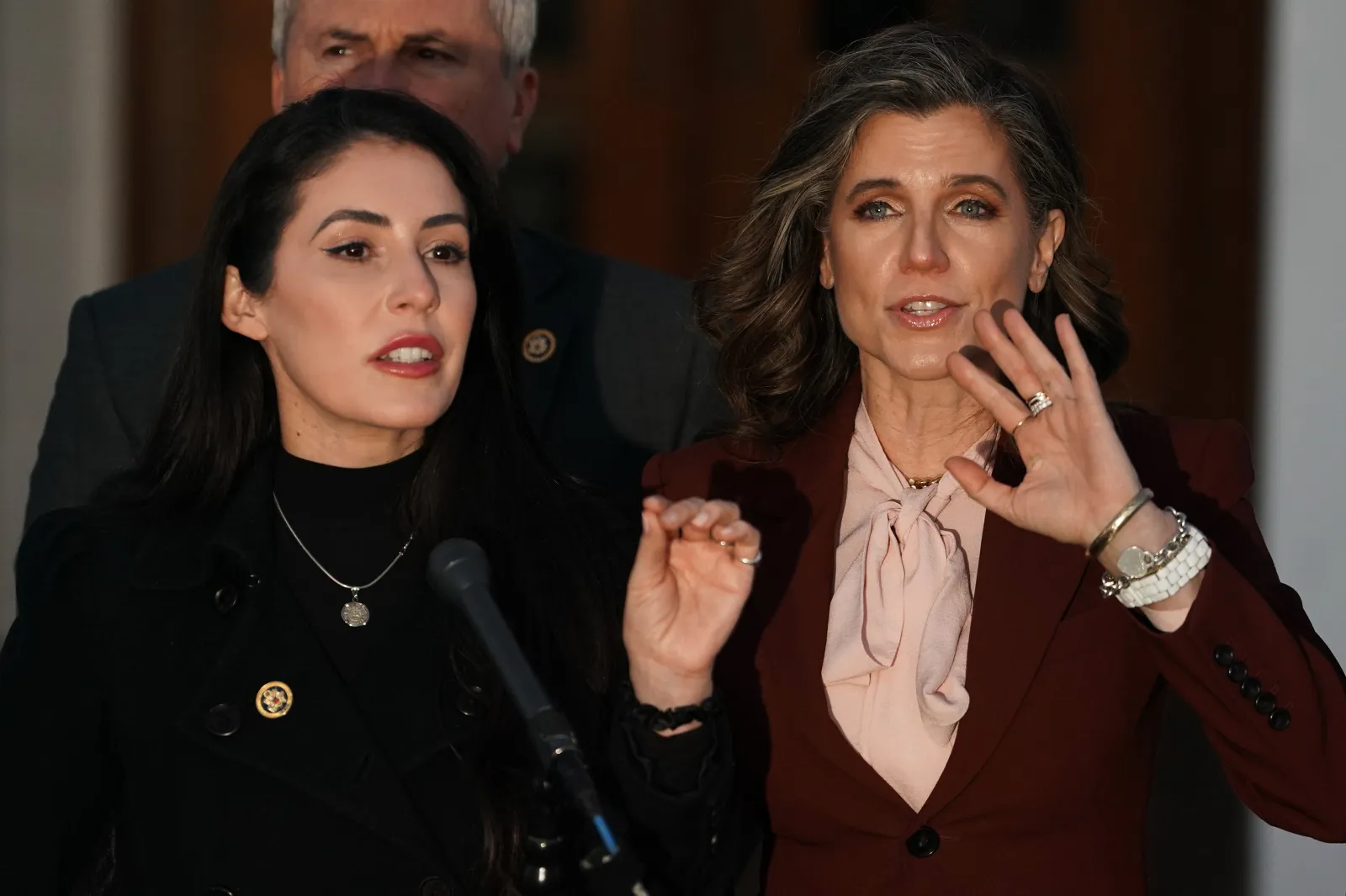
“This is not a party issue. It never was,” Mace added. “Republican or Democrat, if you are abusing the public trust or covering up your misconduct on the taxpayer’s dime, you should be brought into the light and held accountable. No exceptions. The establishment has kept these records buried for too long. Our subpoena motion puts an end to it.” Luna echoed that stance. “No one is above the law, and I will be voting to expel them so we can get back to doing our job and serving the people we represent,” Luna told Newsweek.
In March, Boebert criticized fellow Republicans after the House voted to block a proposal to make public records related to congressional sexual misconduct probes. “This is absolutely disgusting for anyone to vote against this,” she told Newsmax. She has also spoken of plans to pursue legislation to nullify Swalwell’s congressional pension. “Taxpayers will be sending him tens of thousands of dollars every year for the rest of his life. This is completely unacceptable,” she said in an April 16 video on X. Boebert did not respond to Newsweek’s requests for comment.
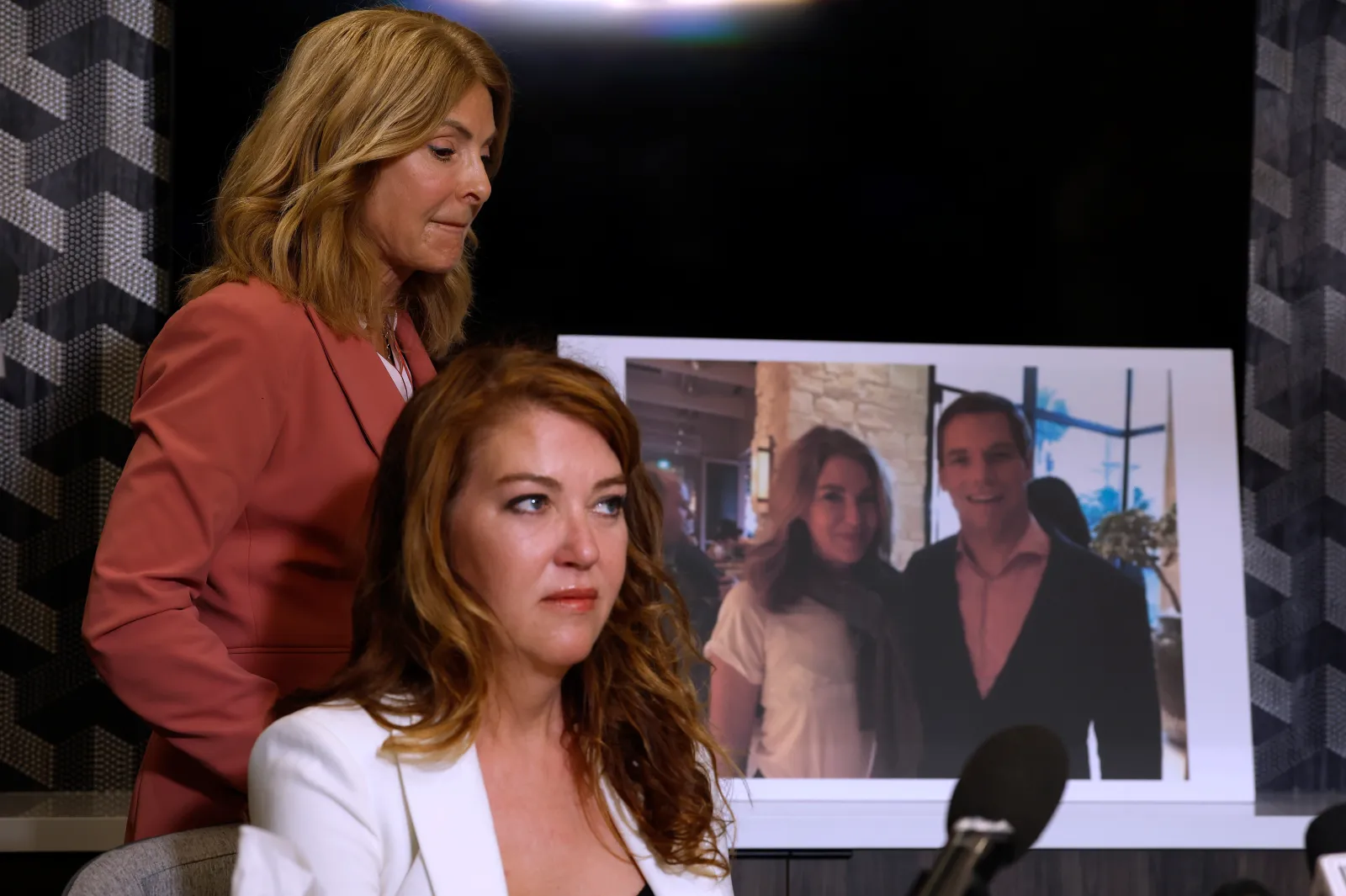
On April 21, Representative Sheila Cherfilus-McCormick, a Florida Democrat, resigned from Congress shortly before a House Ethics Committee sanctions hearing related to alleged campaign finance and ethics violations, which she has denied. Mace had called for both her and Representative Cory Mills, a Florida Republican, to step down. The allegations against Mills span ethics violations, workplace misconduct claims and financial impropriety, and remain unresolved.
...
The campaign’s challenge to the secrecy of congressional ethics processes has intersected with earlier transparency battles, including efforts to force release of federal records tied to convicted sex offender Jeffrey Epstein. At the core of the push is a claim that confidential investigative systems inside Congress have let misconduct persist without public consequence.
A System Under Pressure
The system’s formal safeguards have grown more defined but not necessarily more decisive. Reforms introduced after the #MeToo movement include mandatory annual harassment training, restrictions on nondisclosure agreements in settlements and reporting requirements through the Office of Congressional Workplace Rights. Publicly reported settlements tied to workplace violations have since totaled just over $400,000, underscoring both the existence of enforcement mechanisms and their limited reach. “Serious reform is long overdue in the current Ethics Committee process,” Luna said. “Investigations should not drag on for years only to produce little or no meaningful outcome. The Committee exists to investigate misconduct, including serious allegations like sexual assault, and to uphold the integrity of Congress. Right now, that standard is not being met.”
Former Democratic Representative Jackie Speier, who helped lead earlier reform efforts, has argued that the core problem is structural: each lawmaker effectively controls their own office, leaving little independent oversight. “There’s really no one overseeing you,” she has said.
Democratic Representative Alexandria Ocasio-Cortez described the recent resignations as a “turning point” but said deeper institutional reform is still necessary.
...
Swalwell and Gonzales’ departures have intensified scrutiny on House leadership but not resolved broader questions of how allegations are handled, how investigations are disclosed and whether Congress can police itself. Leadership in both parties has historically resisted broad efforts to expand disclosure of ethics probes, citing privacy and due process concerns. Bipartisan outrage over misconduct often surges in moments like this but tends to fade before producing lasting structural change. Still, this push feels distinct because of who is driving it: the pressure is coming from within Congress itself. Whether that translates into durable reform remains unclear. But for now, the resignations have become less an endpoint than a sign that the system is under sustained strain.
Some observers have criticized Republican women leading the push for their ongoing support of President Donald Trump, who has faced multiple sexual misconduct allegations and was found liable in a civil case in New York for sexual abuse.
“This is not about playing party politics,” Luna said. “I don’t care if they are a Democrat or Republican; if there is evidence of unethical or illegal behavior, the sooner we get that behavior out, the better.”
Mace, who was pressed about Trump in a 2024 ABC interview, dismissed comparisons between civil liability and criminal conviction and argued that voters “had already moved on.”
View 0 Comments
Submit Correction
View Editorial & AI Guidelines