...

By Anna Skinner
Associate News Editor
0
Share
Newsweek is a Trust Project member
See more of our trusted coverage when you search.Prefer Newsweek on Googleto see more of our trusted coverage when you search.
A large portion of the East and West coasts were under weather-related warnings on Tuesday as meteorologists warned millions to be wary of rough seas and dangerous swimming conditions.
The widespread warnings come as abnormally hot temperatures plague the Southwest, including the California coastline, which could prompt more visits to the beach in an attempt to cool off in the ocean. Meanwhile, spring break typically occurs between March and April, with students and their families flocking to the beach for vacation. Alerts encompass boating and swimming, with people urged not to enter the ocean in some of the most extreme cases.
"March is a time period where we do see the risk from rip currents, and we also have to take into account there are a lot more people at the beaches during spring break," NWS meteorologist Matt Volkmer, who works at the Melbourne, Florida, office, told Newsweek. "There's the threat from the ocean conditions as well as the societal risk of having more people at the beaches. There's more opportunity for people to get caught in the rip currents."
Read More on Weather
...
East Coast Ocean Warnings
Ocean-related weather warnings span the East Coast from Boca Raton in South Florida to north of Virginia Beach, Virginia. Small craft advisories, in which boaters are warned of hazardous seas and strong winds, pick up again near Long Island, New York, and extend north to Rockland, Maine.
Small craft advisories and gale warnings are most widespread along the coast, but in Florida, meteorologists also issued urgent messaging addressing beachgoers and swimmers. Rip current statements have been issued south of Titusville, Florida, through Daytona Beach. Further north, high surf advisories have been issued between Daytona Beach and up into Georgia's southeastern coast.
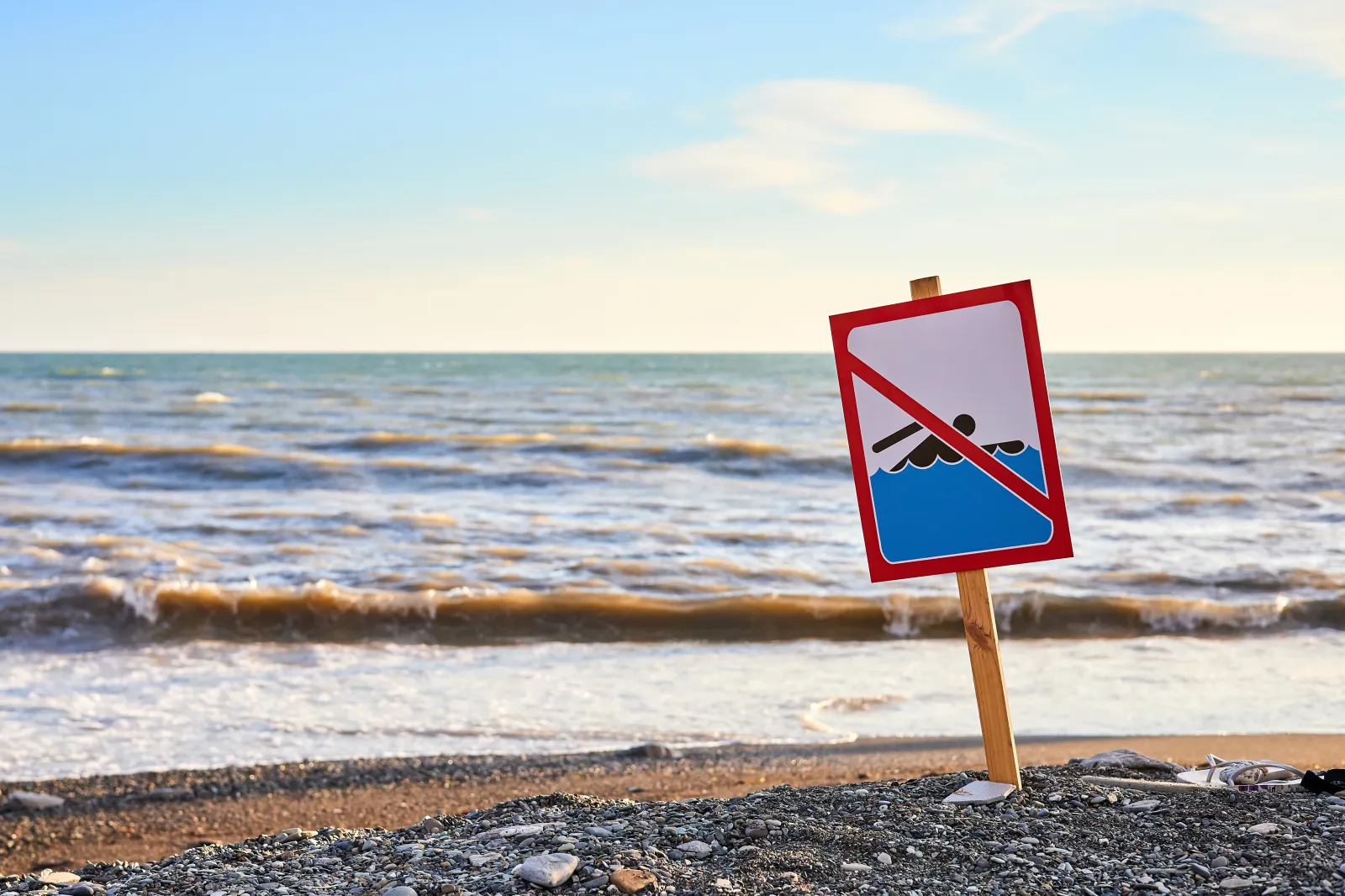
Rip currents are narrow, fast-moving channels of water that flow away from the shore and out to sea. They cause dangerous swimming and surfing conditions.
"Rip currents can sweep even the best swimmers away from shore into deeper water," NWS Melbourne, Florida, said in a rip current statement. "Entering the surf is strongly discouraged. If caught in a rip current, relax and float. Don`t swim against the current. If able, swim in a direction following the shoreline. If unable to escape, face the shore and call or wave for help."
The rip current risk will remain in place through Wednesday night.
For the high surf advisory, the NWS warned that breaking waves could reach heights of 6 to 8 feet.
West Coast Ocean Warnings
On the West Coast, water-related warnings have been issued from Santa Barbara in Southern California north through Washington state. Warnings include small craft advisories and gale warnings, with dangerous conditions mostly affecting boaters.
"Inexperienced mariners, especially those operating smaller vessels, should avoid navigating in hazardous conditions," the NWS office in San Francisco said in a small craft advisory.
Most small craft advisories will go into effect on Wednesday for California. In Oregon and Washington, small craft advisories will go into effect as soon as Tuesday evening. Meanwhile, the gale warnings are currently in effect.
"Strong winds and very steep seas could capsize or damage vessels. Low visibility conditions are expected," NWS Medford, Oregon, said in a gale warning. "Mariners should alter plans to avoid strong winds and very steep seas. Remain in port, seek safe harbor, alter course, and/or secure the vessel for severe conditions."
There are no NWS weather alerts currently in place for the Gulf coastline.
View 0 Comments
Submit Correction
View Editorial & AI Guidelines