...

By Peter Aitken
Politics Weekend Editor
0
Share
Newsweek is a Trust Project member
See more of our trusted coverage when you search.Prefer Newsweek on Googleto see more of our trusted coverage when you search.
Secretary of State Marco Rubio on Thursday accused China of targeting Panama-flagged ships and "bullying" the Central American nation over its decision to seize control of two ports from a Hong Kong-based company.
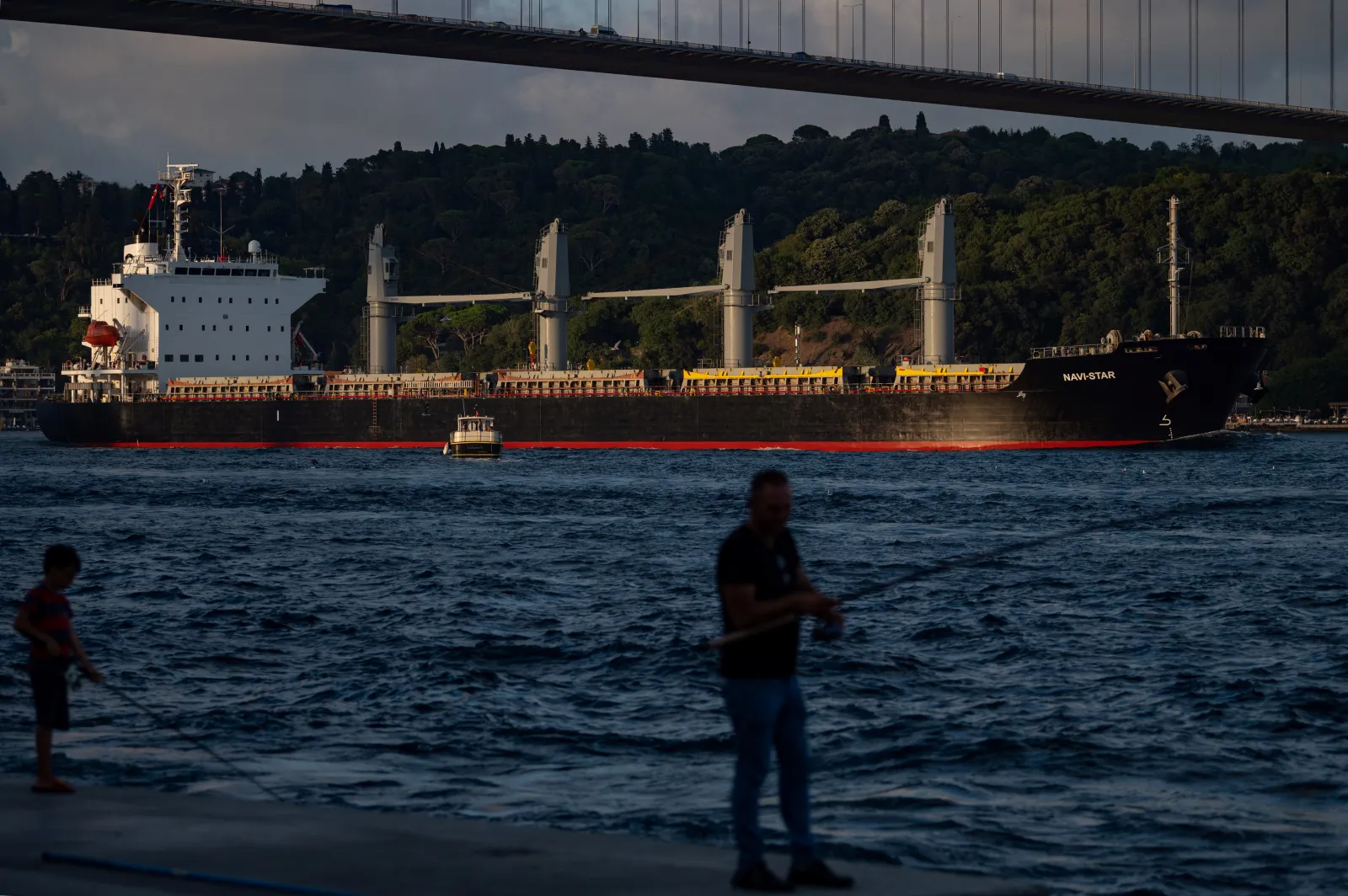
Chinese ports detained more Panama-flagged ships than any others in March, and even though the detentions remained brief, Rubio argued that targeting these vessels "destabilizes supply chains, raises costs, and erodes confidence in the global trading system."
"The United States stands with Panama against any retaliatory actions against its sovereignty and will always support our partners in the face of bullying," Rubio wrote on X.
Read More on World
Newsweek reached out to the State Department by submission form outside of normal business hours on Thursday night for comment.
Why It Matters
Tensions escalated after President Donald Trump repeatedly claimed that China was exerting control over the Panama Canal, a charge denied by both Beijing and Panama but embraced by U.S. officials as a national‑security concern. Trump publicly threatened retaliation if Panama did not reduce Chinese influence around the canal, arguing that the strategic waterway—transferred to Panama in 1999—was at risk of falling under Beijing’s sway.
In response to sustained U.S. pressure, Panama’s president announced that the country would not renew its participation in China’s Belt and Road Initiative, a move some interpreted as appeasement to Washington and shifting away from Beijing.
Chinese officials accused the U.S. of spreading disinformation and engaging in Cold War‑style pressure, while Panama insisted its actions—including court rulings affecting Hong Kong‑based CK Hutchison’s port operations—were driven by the rule of law, not foreign coercion.
...
What To Know
Chinese ports detained 124 ships across March, but of that number, 92 of them—around 75 percent—were Panama-flagged, the Associated Press reported, citing data from Tokyo MOU, a regional port state control organization in the Asia-Pacific region—a drastic increase over the previous two months, which saw 19 of 45 ships and 23 of 71 ships in each of those months flagged to Panama.
However, the Federal Maritime Commission in Washington has been tracking Panama-flagged ships that were detained or held in Chinese ports: The ships were typically detained for a period of time lasting between one and 10 days before being released.
China hit back at Rubio, saying his "wrongful allegations" only served to "reveal its attempt to take control of the canal," although it did not address the increase in detained ships flagged to Panama.
Panamanian Foreign Minister Javier Martínez-Acha Vásquez reposted Rubio's statement on X.
After the ruling from the Panama supreme court in January, Chinese Foreign Ministry spokesperson Guo Jiakun said China would “take all measures necessary to firmly protect the legitimate and lawful rights and interests of Chinese companies.”
What People Are Saying
Rubio, on X: "China’s decision to detain or otherwise impede Panama-flagged vessels engaged in lawful trade destabilizes supply chains, raises costs, and erodes confidence in the global trading system. The United States stands with Panama against any retaliatory actions against its sovereignty and will always support our partners in the face of bullying."
Federal Maritime Commission Chair Laura DiBella, in a statement: “Secretary Rubio’s statement highlights the disruptive effects of the government of China’s actions against Panama-flagged vessels," adding that the commission is "not aware of any other country in recent history conducting vessel safety inspections and detentions in a punitive manner.”
Israeli Foreign Minister Gideon Sa'ar, on X: "Israel supports Panama’s clear position: maritime enforcement must stay fair, technical, and free from political pressure. Disproportionate detentions risk global trade, costs, and trust. Upholding rule of law and freedom of navigation is in everyone’s interest."
This article includes reporting by the Associated Press.
View 0 Comments
Submit Correction
View Editorial & AI Guidelines