...

By Brendan Cole
Senior Reporter
0
Share
Newsweek is a Trust Project member
See more of our trusted coverage when you search.Prefer Newsweek on Googleto see more of our trusted coverage when you search.
Russia's gold reserves fell sharply at the end of last year, partly caused by the country's record-high interest rate imposed by the country's central bank to cool the economy.
Citing data from Russia's Central Bank, business outlet RBC said that during 2024, gold reserves had fallen by nearly half (46.4 percent), or over 33 metric tonnes.
Newsweek reached out to the Central Bank of the Russian Federation for comment.
Read More on World
Why It Matters
The slump in gold reserves comes amid record-breaking prices for the precious metal. Russians are piling up on what is considered a safe-haven asset in response to high inflation and strict sanctions eating into the value of the Russian currency, the ruble.
What To Know
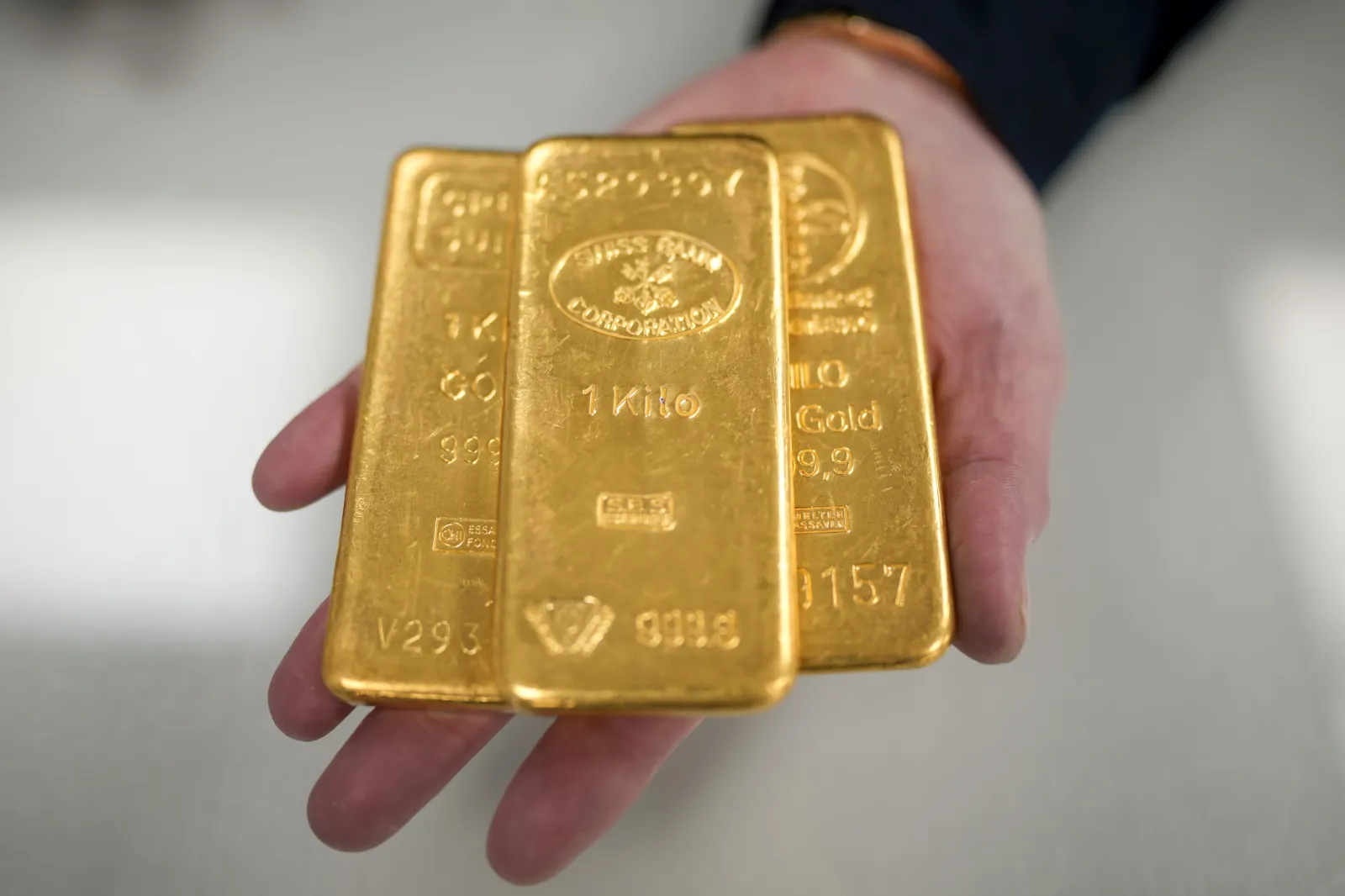
RBC reported on Tuesday that physical gold reserves held by Russian banks had dropped to 38.1 metric tons worth 325.4 billion rubles ($3.4 billion), the country's lowest level since July 2022.
The Central Bank said Russia's gold reserves had declined 23.6 percent in monetary terms last year, but in physical gold, the drop was 46.4 percent, the biggest slump since 2020 at the height of the COVID pandemic.
...
RBC cited experts as partially linking the drop in gold reserves to the record high key interest rate of 21 percent imposed by the Central Bank to counter inflation of 9.5 percent in an economy that was overheating due to high military spending and a labor shortage.
However, gold prices hit record highs 40 times in 2024. As of Tuesday, gold was trading at just over $2,900 per ounce, according to the World Gold Council.
The body said in a report last week that Russian consumers had bought 75.6 metric tons of gold in 2024, a 6 percent jump from the previous year and 62 percent more than in 2021, the year before Moscow invaded Ukraine.
An escalation of sanctions has made gold purchases an attractive alternative to traditional investments, especially as the ruble has hit historic lows and cross-border payment restrictions have made it more difficult for Russian citizens to diversify their investments outside the country.
What People Are Saying
Russian business outlet RBC: "Physical gold reserves in Russian banks at the end of 2024 fell sharply...This is due to the high key rate of the Bank of Russia."
What Happens Next
Despite the drop in gold reserves, Russia was the world's second-largest producer of the precious metal in 2023, with output up 6 percent on the previous year, according to miningtechnology.com. Russia's production of gold is expected to increase up until 2027.
View 0 Comments
Submit Correction
View Editorial & AI Guidelines