...

By Dan Gooding
Associate News Editor
0
Share
Newsweek is a Trust Project member
See more of our trusted coverage when you search.Prefer Newsweek on Googleto see more of our trusted coverage when you search.
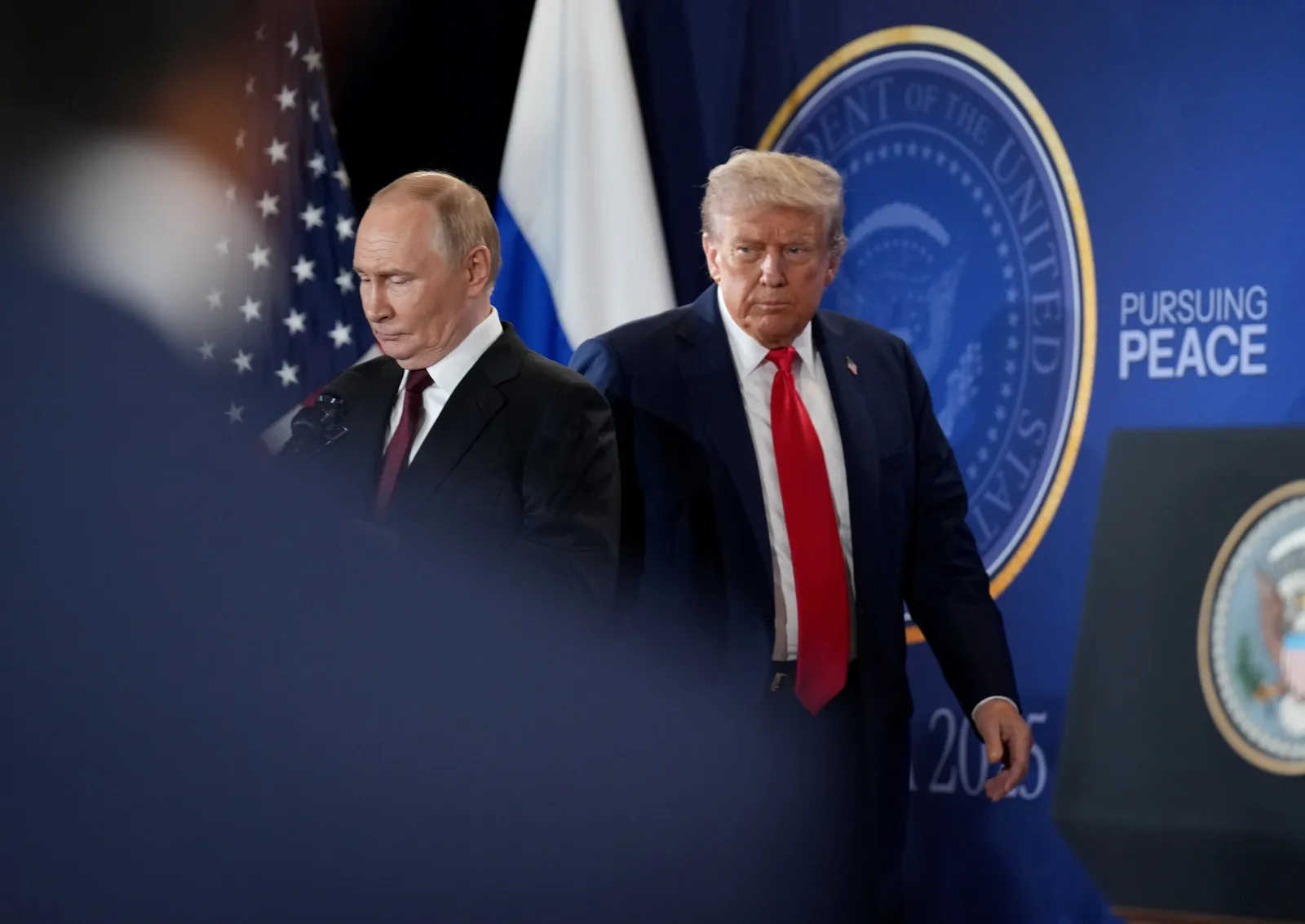
The Russian Foreign Ministry warned Wednesday that it was ready to take decisive action to stop threats against the country, following the expiration of the New START Treaty on nuclear weapons between it and the U.S.
In statements shared with Russia's TASS News Agency, the ministry said that Russian officials had not heard from the U.S. ahead of the lapse set for Thursday, which would lift caps on the two largest atomic arsenals for the first time in over 50 years.
"As you know, on September 22, 2025, we proposed to the Americans to extend the key quantitative limits for one year as voluntary self-restrictions," Kremlin aide Yury Ushakov said Wednesday. "However, we have not yet received an official response from the Americans."
Read More on World
A U.S. State Department official told Newsweek that President Donald Trump would make a decision on his own timeline.
Why It Matters
The comments from Ushakov came after Russian President Vladimir Putin held a 1-hour, 25-minute phone call with Chinese counterpart Xi Jinping to discuss strategic cooperation between the two countries. Trump, a longtime critic of China, has indicated he would like to keep limits on nuclear weapons and involve China in talks moving forward but has not made a decision on control.
...
What To Know
Russian officials said Wednesday that they would proceed in a balanced manner and act responsibly once not bound by the New START Treaty, adding that the country was moving forward without a response from the U.S. The lack of response was branded "erroneous and regrettable," TASS reported.
Despite this, Russia said it remained open to finding new political and diplomatic solutions.
Earlier Wednesday, U.S. Secretary of State Marco Rubio told reporters that he did not have an announcement on the treaty's expiration but added that Trump was open to talks with Russia and China.
What Is The U.S.-Russia Nuclear Treaty, New START?
New START was signed by President Barack Obama and Russian President Dmitri Medvedev 15 years ago. The treaty restricted each side to no more than 1,550 nuclear warheads on no more than 700 missiles and bombers—deployed and ready for use.
The deal was originally supposed to expire in 2021, but Trump extended it toward the end of his first term in the White House in 2020.
In February 2023, Putin said he was ending Moscow's participation because he could not allow U.S. inspectors to visit nuclear sites when Washington and NATO allies were opposed to his 2022 invasion of Ukraine. The Kremlin said it would still honor the caps set out in the treaty.
Could China Be Included In A Future Nuclear Arms Treaty?
The U.S. and Russia have indicated willingness to include China in future discussions, with Rubio saying Wednesday that in the 21st century it was necessary.
Beijing has balked at any restrictions on its smaller but growing nuclear arsenal, and officials have said that it would be unfair to apply similar caps to those that might be placed on Russia or the U.S.
China has rapidly increased its nuclear stockpiles in recent years and now boasts more than 600 operational warheads, according to Pentagon estimates. Analysts view this expansion as part of Xi's efforts to narrow the power gap with Washington and deter U.S. forces from intervening during a regional crisis, such as an invasion of Beijing-claimed Taiwan.
China has not signed onto a nuclear arms treaty, though it is one of only two nuclear-armed countries, along with India, to maintain a no-first-use policy. Beijing has called for all nuclear powers to adopt a similar commitment, a proposal that the U.S. and Russia have dismissed.
What People Are Saying
Arms Control Association Executive Director Daryl G. Kimball, in a press release: "If the Trump administration continues to stiff arm nuclear arms control diplomacy with Russia and decides to increase the number of nuclear weapons in the U.S. deployed strategic arsenal, it will only lead Russia to follow suit and encourage China to accelerate its ongoing strategic buildup in an attempt to maintain a strategic nuclear retaliatory strike capability vis-a-vis the United States. Such a scenario could lead to a years-long, dangerous three-way nuclear arms buildup."
U.S. Secretary of State Marco Rubio, on Wednesday: "Obviously, the president’s been clear in the past that in order to have true arms control in the 21st century, it’s impossible to do something that doesn’t include China because of their vast and rapidly growing stockpile."
Former President Barack Obama, on Bluesky on Tuesday: "If Congress doesn’t act, the last nuclear arms control treaty between the U.S. and Russia will expire. It would pointlessly wipe out decades of diplomacy, and could spark another arms race that makes the world less safe."
What Happens Next
The New START Treaty will expire Thursday, with Russia saying it awaits responses from the U.S. while Rubio suggested Trump would address the issue soon.
Update 2/4/26, 3:03 p.m. ET: This article was updated with additional information.
In a polarized era, the center is dismissed as bland. At Newsweek, ours is different: The Courageous Center—it's not "both sides," it's sharp, challenging and alive with ideas. We follow facts, not factions. If that sounds like the kind of journalism you want to see thrive, we need you.
When you become a Newsweek Member, you support a mission to keep the center strong and vibrant. Members enjoy: Ad-free browsing, exclusive content and editor conversations. Help keep the center courageous. Join today.


View 0 Comments
Submit Correction
View Editorial & AI Guidelines