...


By Jesus Mesa and Gabe Whisnant
0
Share
Newsweek is a Trust Project member
See more of our trusted coverage when you search.Prefer Newsweek on Googleto see more of our trusted coverage when you search.
Ukrainian President Volodymyr Zelensky says he is prepared to call a national referendum on a peace plan developed with U.S. President Donald Trump, should Russia agree to a 60-day ceasefire. The potential plebiscite could determine the fate of a United States-mediated framework aimed at ending Russia’s nearly four-year invasion of Ukraine.
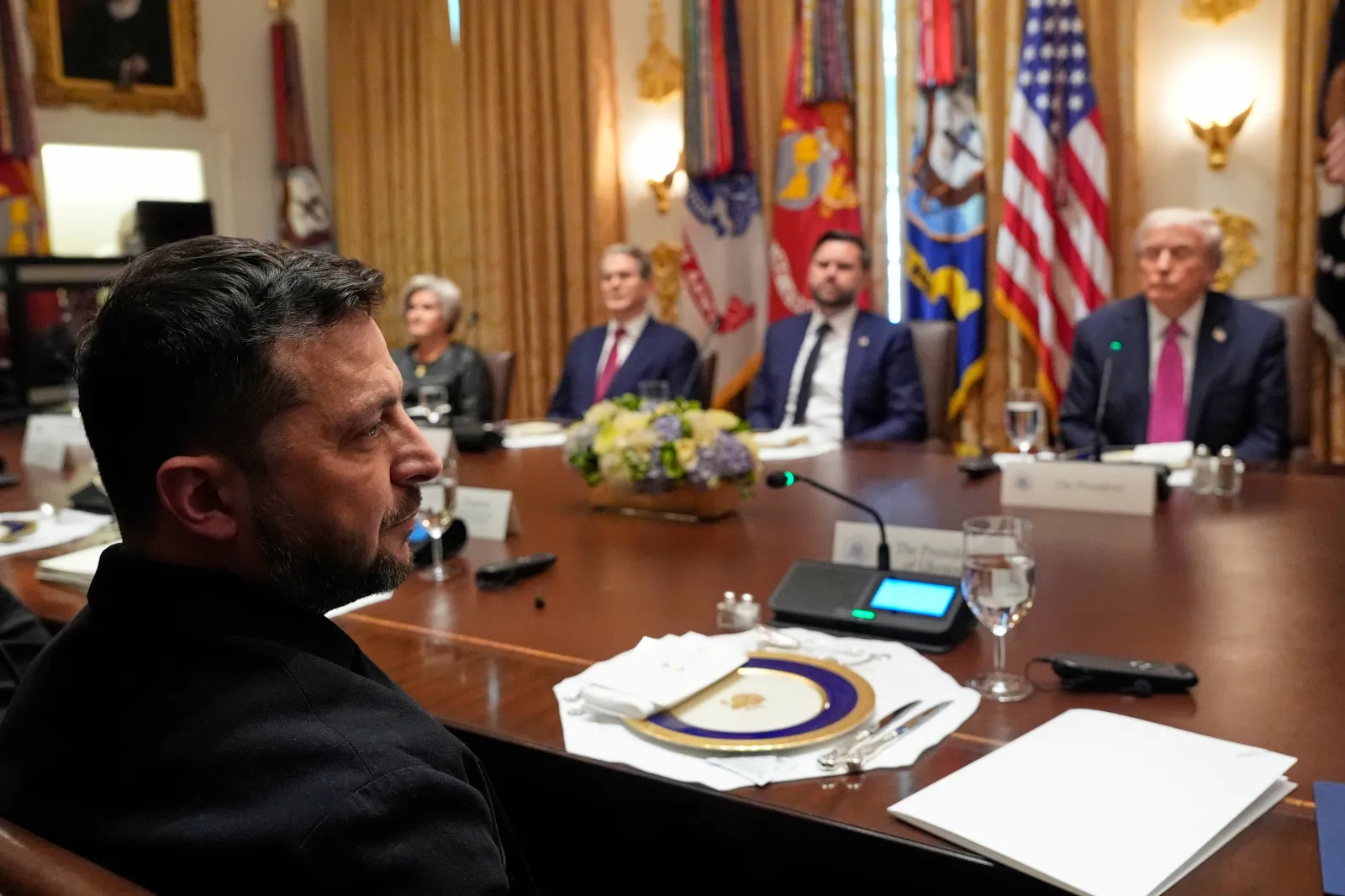
Speaking with Axios ahead of a planned Sunday meeting with Trump in Florida, Zelensky said the proposal is “about 90 percent ready” and includes codified agreements on security guarantees and economic reconstruction. But he acknowledged that key issues remain unresolved.
“If the plan demands a very difficult decision on that issue, I believe the best path forward will be to put the entire 20-point plan to a referendum,” Zelensky said. “It’s better to not have a referendum than have a referendum where people do not have the possibility to come and vote.”
Read More on World
Why It Matters
The peace proposal, developed through months of negotiations between Ukrainian and U.S. officials, includes territorial compromises and long-term security guarantees for Ukraine. Key details remain unresolved, particularly the status of eastern regions under partial or full Russian occupation.
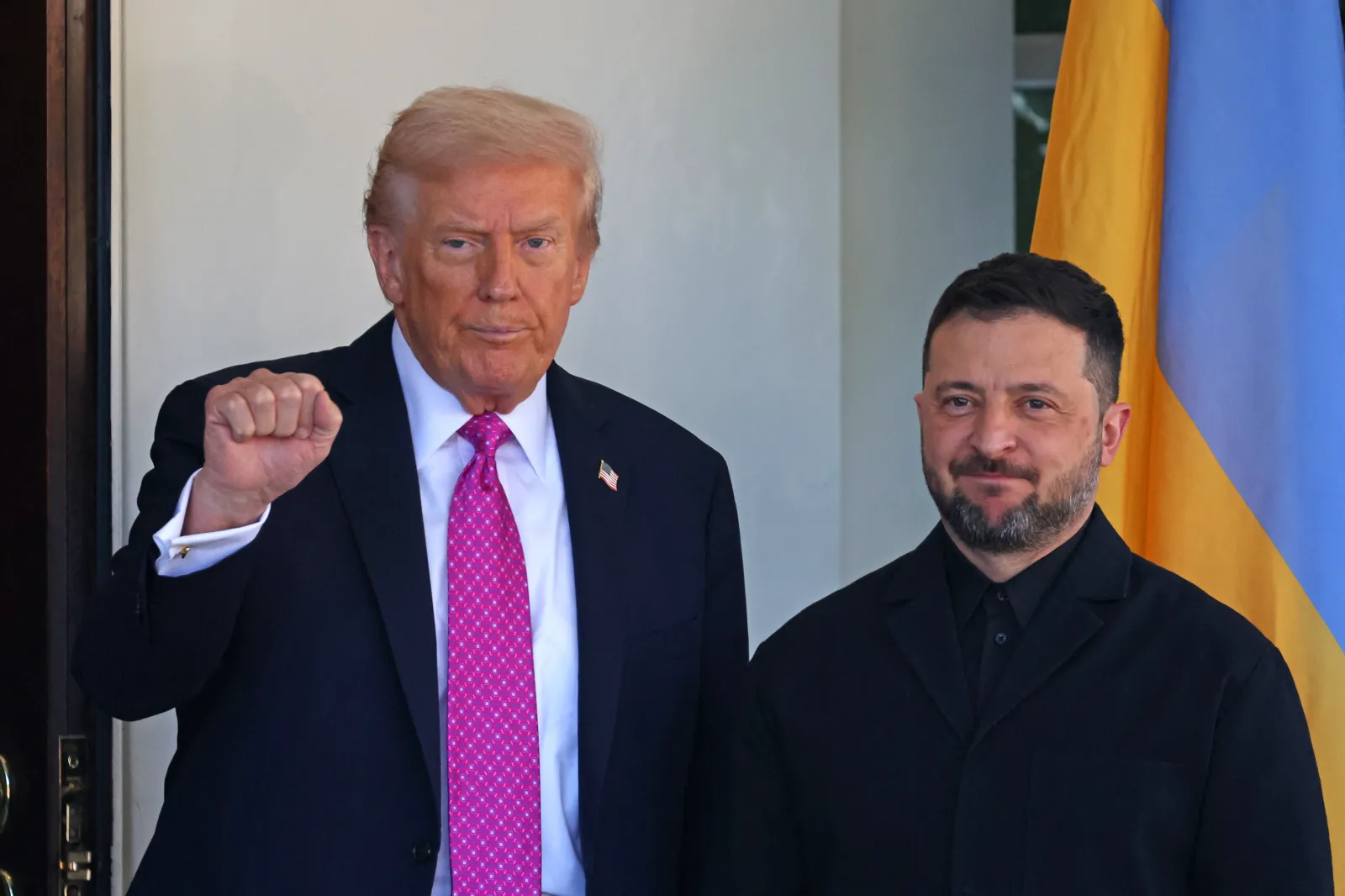
The announced meeting between Trump and Zelensky is the latest step in a U.S.-led diplomatic effort to end the nearly four-year Russia-Ukraine war, which has been hindered by sharply conflicting demands from Moscow and Kyiv. Trump has pursued talks aimed at ending the conflict, which began in 2022, but negotiations have yet to bridge those differences.
What To Know
The proposal is a trimmed-down version of a 28-point plan initially criticized for leaning too far in Moscow’s favor. Press reports say Ukraine has secured U.S. backing to maintain its current army strength and has reached preliminary agreements on NATO-style security guarantees. Still, control of the Donbas region remains what Zelensky called “the most difficult point.”
Zelensky said any territorial concessions would require public approval and suggested holding a referendum if the plan involves “a very difficult decision” on borders, according to a phone interview with Axios published Friday. He said Ukraine’s constitution requires a public vote on changes to national borders.
...
Holding such a vote during wartime would be difficult, Zelensky said, warning that “the people will see the missiles,” and that low turnout under attack could undermine the result’s legitimacy.
“It's better to not have a referendum than have a referendum where people do not have the possibility to come and vote,” he said.
Zelensky added that the U.S. understands the necessity of such a ceasefire, while Russia has reportedly pushed for a shorter timeline. Kremlin spokesperson Dmitry Peskov confirmed that Trump emissaries had communicated the terms to Moscow but declined to comment on whether Russian President Vladimir Putin would accept the deal.
What Is Trump's Peace Plan for Russia-Ukraine?
The proposal includes converting some contested regions, like parts of Donetsk and the site of the Zaporizhzhia nuclear plant, into so-called “free economic zones.” Zelensky emphasized that any such arrangement must be supervised by international forces.
“Since there is no faith in the Russians…international forces should be there to guarantee that no one will enter there under any guise,” he said during a press briefing with reporters on Friday.
Security guarantees form a cornerstone of the plan, with Zelensky noting that they would be modeled on NATO’s Article 5. The U.S. has proposed a 15-year bilateral security agreement that could be renewed, but Ukraine is pushing for a longer term.
“I think we need more than 15 years,” Zelensky told Axios, calling an extension a “big success” if agreed upon in his upcoming meeting with Trump.
...
The plan also reflects a significant concession: Ukraine would no longer seek full NATO membership. Instead, the U.S. and European allies would provide binding commitments to act in the event of a renewed Russian assault, enforced through satellite monitoring and early warning systems.
On the ground, the deal envisions reciprocal troop withdrawals in eastern Ukraine, particularly the Donbas, which remains the most contentious issue.
Most other parts of the framework have been finalized and codified into five separate documents, with the possibility of a sixth. Both the U.S. and Ukraine intend to submit the security agreement to their legislatures for ratification.
Under the current draft, the Ukrainian constitution requires a referendum for any changes to the country’s borders. That vote would ask the public to ratify the entire plan.
What People Are Saying
Ukrainian President Volodymyr Zelensky told Axios: "I think now we are at the next level, and that's why we need to negotiate with presidents. We want to finish it as quickly as possible. That's why I count on this meeting."
Russian Foreign Ministry spokeswoman Maria Zakharova told Tass: “The U.S. peace plan for Ukraine is not meant for public entertainment, but for scrupulous and painstaking work that should produce a positive result.”
What Happens Next
Zelensky confirmed that Trump’s advisers, Steve Witkoff and Jared Kushner, were willing to visit Ukraine to help promote the plan. A video call with European leaders is also planned for Saturday to align allies.
Update 12/26/25, 1:28 p.m. ET: This article was updated with additional information.
View 0 Comments
Submit Correction
View Editorial & AI Guidelines