...

By Maya Mehrara
News Reporter
0
Share
Newsweek is a Trust Project member
See more of our trusted coverage when you search.Prefer Newsweek on Googleto see more of our trusted coverage when you search.
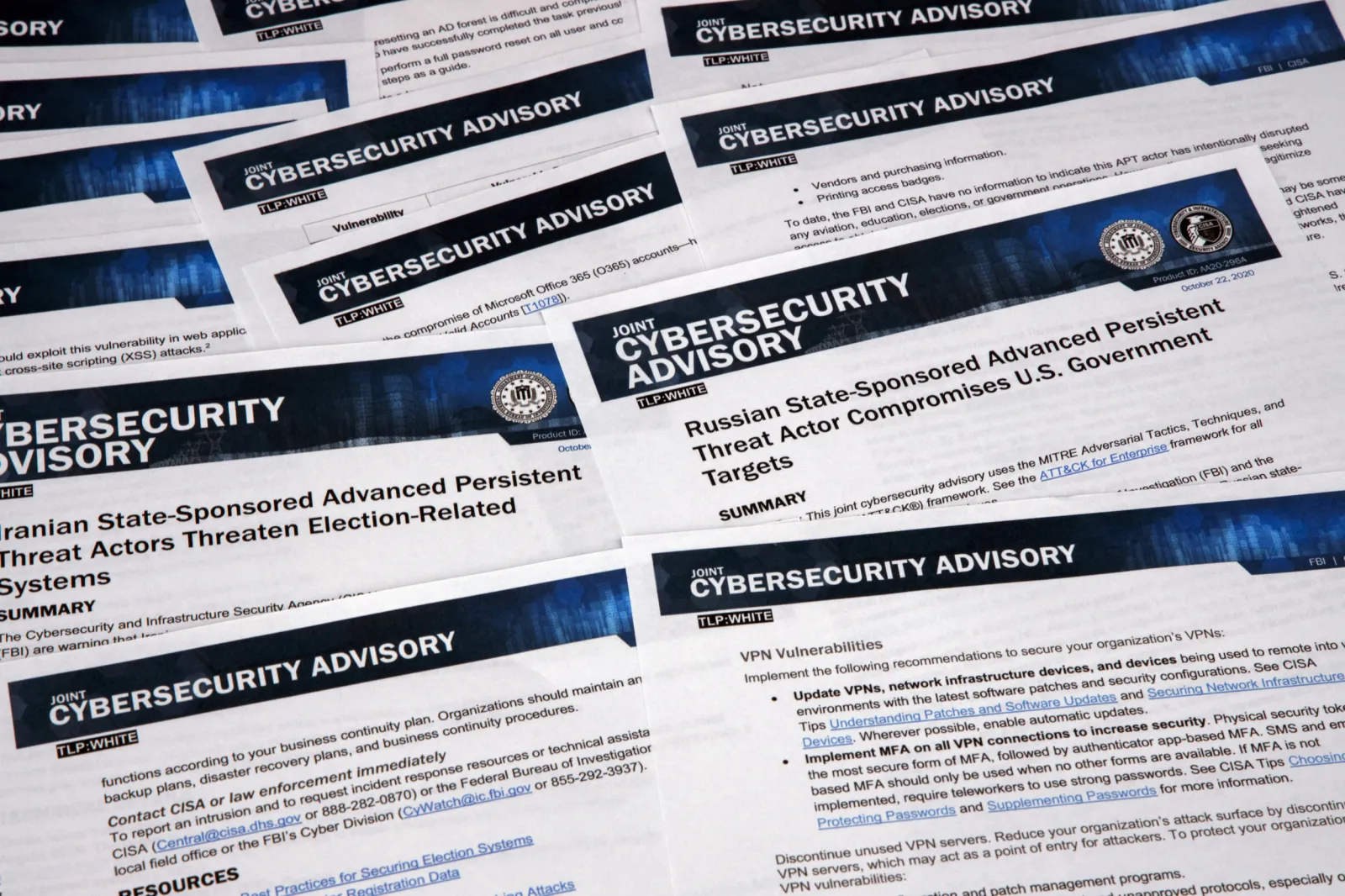
In a blog post on Tuesday, Microsoft warned that Russian hackers have been reportedly targeting U.S. officials in the government and other industries ahead of the presidential election since October 22.
The technology company's threat intelligence team wrote that Midnight Blizzard, a Russian hacker group, has been sending a series of "highly targeted spear-phishing emails" to individuals working in the government, academia, defense, non-governmental organizations, and more.
Microsoft wrote that they believe the Russian hacking group's aim is to collect intelligence. This announcement came just one week before the 2024 presidential election.
Read More on News
...
Newsweek reached out to Microsoft and the Cybersecurity and Infrastructure Security Agency for comment via email outside of business hours.
Midnight Blizzard reportedly conducted a campaign in which spear-phishing emails were sent to "thousands of targets in over 100 organizations and contained a signed Remote Desktop Protocol configuration file that connected to an actor-controlled server."
The company added that the Russian hackers attempted to "add credibility to their malicious messages by impersonating Microsoft employees" and referenced other "cloud providers."
While Microsoft wrote that Midnight Blizzard's targets do not differ from those they usually attack, the method in which they conducted the attack and gained access to the targets' devices is new.
Microsoft also reported that overlapping activity has been reported by the Government Computer Emergency Response Team of Ukraine and Amazon.
The technology company said Midnight Blizzard is a "Russian threat actor attributed by the United States and United Kingdom governments to the Foreign Intelligence Service of the Russian Federation, also known as the SVR."
Microsoft reported that the hacker group primarily targets governments, diplomatic entities, non-governmental organizations and IT service providers in the U.S. and Europe, and its efforts can be traced back to 2018.
Midnight Blizzard's primary interest is to collect intelligence through espionage of foreign interests.
Newsweek spoke to Nancy Gallagher, the director of the Center for International and Security Studies at the University of Maryland about Russia's attempts to interfere with the election.
Gallagher said she did not believe this was an attempt to disrupt or directly interfere with the election, as Midnight Blizzard collected intelligence from a broad range of sources. She noted that this is routine in other countries and did not consider this surprising or alarming.
However, Gallagher said, "It's well documented that Russia engaged in a variety of efforts to influence the outcome of the 2016 election, including stealing and leaking sensitive e-mails from top Democratic officials and advisers, and lots of social media disinformation/amplification of divisive stories that often originated with U.S. sources. That had a very negative effect on U.S.-Russia relations that made it much harder for Russia to get whatever benefits that [Russian President Vladimir] Putin might have hoped for from President Trump."
She said, "In subsequent U.S. election cycles, the U.S. intelligence community has indicated that Russian social media campaigns have continued to spread false/misleading/divisive stories but there's been little public evidence regarding Russian hacking intended to disrupt the elections (as opposed to collecting information about them)."
Spear phishing is when an individual collects information, on the internet or otherwise, on another individual in order to write a personalized email to trick the person they are attempting to target.
The motivation for spear phishing is typically to trick people into giving away sensitive information or downloading malware, according to IBM.
Microsoft's news of Russia's hacking attempts comes shortly after U.S. intelligence accused Russia of spreading disinformation about Democratic Vice Presidential candidate Tim Walz.
Russians were spreading disinformation about Walz regarding his time working as a teacher and circulating a faked video with abuse allegations, according to an official with the Office of the Director of National Intelligence.
U.S. officials said the dissemination of disinformation about Walz is part of a concerted effort by Russia to target Vice President Kamala Harris and possibly attempt to instigate violent protests after November 5.
The U.S. official also said that, in spreading disinformation, Russia is "potentially seeking to stoke threats towards poll workers, as well as amplifying protests and potentially encouraging protests to be violent."
In a report on October 23, Microsoft noted that the Microsoft Threat Analysis Center observed "sustained influence efforts by Russia, Iran, and China aimed at undermining U.S. democratic processes" through cyber-influence operations.
Do you have a story we should be covering? Do you have any questions about this article? Contact LiveNews@newsweek.com.
View 0 Comments
Submit Correction
View Editorial & AI Guidelines