
...

By Hollie Silverman
News Editor
0
Share
Newsweek is a Trust Project member
See more of our trusted coverage when you search.Prefer Newsweek on Googleto see more of our trusted coverage when you search.
A case of New World screwworm previously believed to occur in Texas has now been reclassified by officials as a New Mexico case, involving a dog in nearby Lea County.
As of Tuesday, there have been six confirmed cases: the one in New Mexico and five in Texas, including four calves and a goat, according to the U.S. Department of Agriculture (USDA). The Texas cases were located in Gillespie, Zavala, and La Salle County, the tracker shows.
Residents, ranchers, veterinarians and wildlife managers are being urged to report any suspected cases immediately, particularly unusual wounds or signs of infestation in livestock, pets or wildlife, to ensure rapid detection and containment of the parasite.
Read More on U.S.
What Pet Owners Need to Know
Pet owners are urged to stay alert as the screwworm threat spreads, particularly in areas where cases have been confirmed. The parasite targets open wounds, making even small cuts or untreated injuries a potential entry point for infestation.
Monitor pets for:
- worsening wounds
- unusual swelling
- foul odors
- visible larvae (maggots) in the skin.
Animals may also show signs of discomfort, including excessive licking, agitation or lethargy. Any suspicious symptoms should be treated as urgent and evaluated by a veterinarian immediately.
Experts recommend checking pets daily—especially after time outdoors—for cuts, bites or hotspots, and keeping wounds clean and covered. Preventing flies from accessing injuries is key, as early detection and treatment can stop infestations from becoming severe or life-threatening.
Texas Activates Emergency Operations
With the increasing case count, Texas Governor Greg Abbott has ordered an “escalated response,” activating the State Emergency Operations Center at Level II and mobilizing all available state resources as officials race to contain the parasitic pest.
The move directs the Texas Division of Emergency Management (TDEM) to coordinate a multiagency response, bringing together animal health, agriculture and public health officials to prevent further spread.
"The protection of our ranchers, livestock producers, deer breeders, and the Texas economy from this pest is a top priority," Abbott said in a press release issued Monday. "We have eradicated this pest before, and we will do it again in close cooperation with our federal partners."
"Texans should stay alert, check animals daily for wounds, and report any suspected cases immediately," he urged.
Activation of the State Emergency Operations Center at Level II centralizes Texas’ response, allowing officials to rapidly deploy resources, coordinate across agencies and streamline decision-making as new cases emerge.
The move brings together key partners to manage surveillance, containment and public guidance, including the Texas Animal Health Commission, Texas Parks and Wildlife Department, Texas A&M AgriLife Extension Service, Texas A&M Veterinary Medical Diagnostic Laboratory, Texas Department of Agriculture and the Texas Department of State Health Services.
Threat to Food Supply
But the stakes stretch far beyond Texas and New Mexico. The New World screwworm poses a direct threat to livestock production—particularly cattle—and could disrupt supply chains if infestations spread, forcing quarantines or limiting animal movement. Because Texas is the nation’s top cattle-producing state, officials have warned that an outbreak could tighten already strained supply, drive up beef prices and ripple through broader food distribution systems nationwide.
A widening outbreak could also intersect with broader global supply risks, including volatility tied to key shipping routes like the Strait of Hormuz. While the parasite itself threatens domestic livestock production, any concurrent disruption in global energy flows through the strait, which handles a significant share of the world’s oil shipments, can drive up transportation and fuel costs.
Those increases typically cascade through agricultural supply chains, raising costs for feed, processing and distribution. In a worst-case scenario, overlapping pressures from a livestock pest outbreak and higher shipping or fuel costs could compound price spikes and logistical strain across the U.S. food system, particularly for beef and other protein products already sensitive to supply shocks.
...
Screwworm Symptoms in Humans: What We Know
Although the parasite primarily affects animals, human cases can occur in areas where the flies are present.
According to the Centers for Disease Control and Prevention (CDC), the New World screwworm infection begins when a female fly lays eggs in an open wound or body opening, such as the nose, ears or mouth.
Symptoms can include:
- Painful wounds that worsen quickly
- A foul-smelling site of infection
- Visible larvae (maggots) in or around the wound
- Sensation of movement under the skin
The larvae feed on living tissue, which can lead to severe damage if not treated promptly.
Health officials emphasize that while human risk in the U.S. remains low, exposure is possible in areas where the flies are circulating, particularly for people with untreated wounds.
Why Is Screwworm Back in the US?
The current threat is tied to a broader outbreak that has steadily advanced north through the Americas over the past several years.
- The parasite is endemic in parts of South America and the Caribbean.
- Since 2023, it has spread across Central America and into Mexico.
- Recent detections in northern Mexico brought the pest within miles of the U.S. border before it was confirmed in Texas in June 2026.
Experts say the spread has been fueled by both the migration of flies and the movement of infected animals, allowing the parasite to leap long distances.

...
The detection in Texas marks the parasite’s return after decades of eradication in the United States, prompting renewed emergency measures and containment strategies similar to those used in the mid-20th century.
Restrictions Put in Place in Other States, Canada
As concerns about the parasite grow, multiple jurisdictions have moved to limit the movement of animals from affected areas. Multiple states have enacted or signaled restrictions on the import of livestock or other warm‑blooded animals from screwworm‑infested zones, as part of a broader effort to prevent the parasite from establishing new footholds beyond Texas.
Florida has enacted emergency rules that bar the import of any warm‑blooded animals from screwworm-infested zones until June 10, according to state agriculture officials, underscoring growing concern about cross-state spread.
Oklahoma has implemented tiered entry requirements, allowing animals from affected states outside designated infested zones to enter only with certification confirming they have not originated from or passed through infected areas.
For animals coming directly from an infested zone, stricter controls apply, including compliance with origin-state rules, a permit from the Oklahoma State Veterinarian’s office, and documentation verifying each animal has been individually inspected and is free of wounds.
Missouri has adopted similar layered restrictions, allowing animals from affected states that are outside designated infested zones to enter only with a Certificate of Veterinary Inspection confirming they are free of screwworm and have not passed through affected areas. Animals originating from within an infested zone face tighter controls, requiring compliance with origin-state rules, an entry permit from the Missouri State Veterinarian, and certification that each animal has been individually inspected and shows no signs of infestation.
Canada has also moved to tighten border safeguards, with the Canadian Food Inspection Agency implementing disease‑control measures to limit the risk of screwworm entering the country through animal imports.
The restrictions include heightened inspection requirements and limitations on livestock shipments from affected regions, aimed at protecting Canada’s agricultural sector and preventing the parasite from establishing itself north of the U.S. outbreak zone.
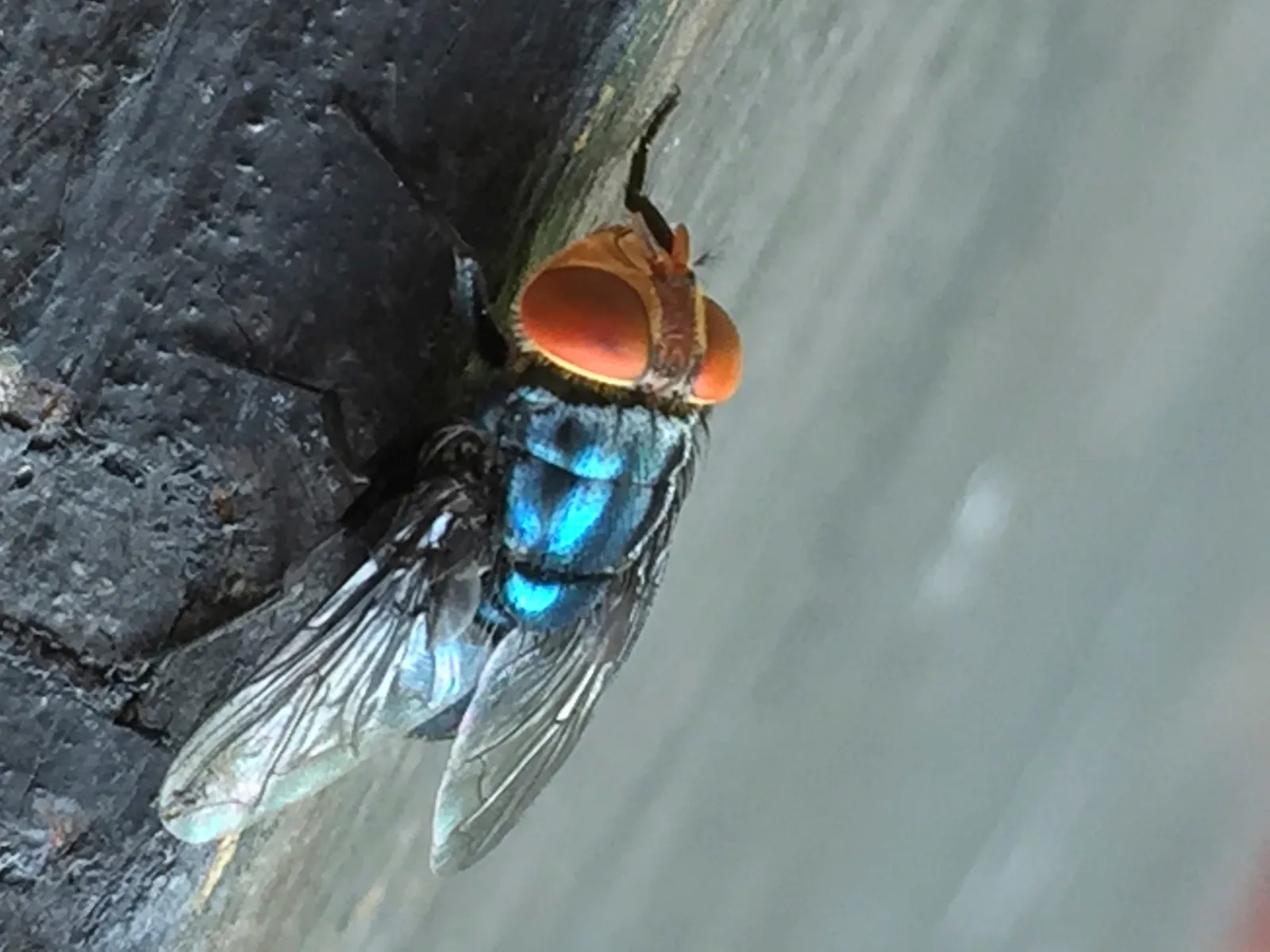
...
How Screwworms and Botflies Differ
While both screwworms and botflies are parasites that can infest animals—and in rare cases humans—they behave in significantly different ways.
New World screwworm:
- Targets open wounds on living animals
- Larvae aggressively burrow into and consume healthy tissue
- Infestations can rapidly worsen and become fatal if untreated
Botflies (general comparison):
- Typically deposit larvae on intact skin or through insect vectors
- Often create localized infestations rather than rapidly expanding wounds
- Usually less destructive to surrounding tissue
A key distinction highlighted by experts is that screwworm larvae feed on living tissue, whereas many other fly larvae, including common species, feed only on dead or decaying material.
View 0 Comments
Submit Correction
View Editorial & AI Guidelines