...

By Amir Daftari
News Reporter
0
Share
Newsweek is a Trust Project member
See more of our trusted coverage when you search.Prefer Newsweek on Googleto see more of our trusted coverage when you search.
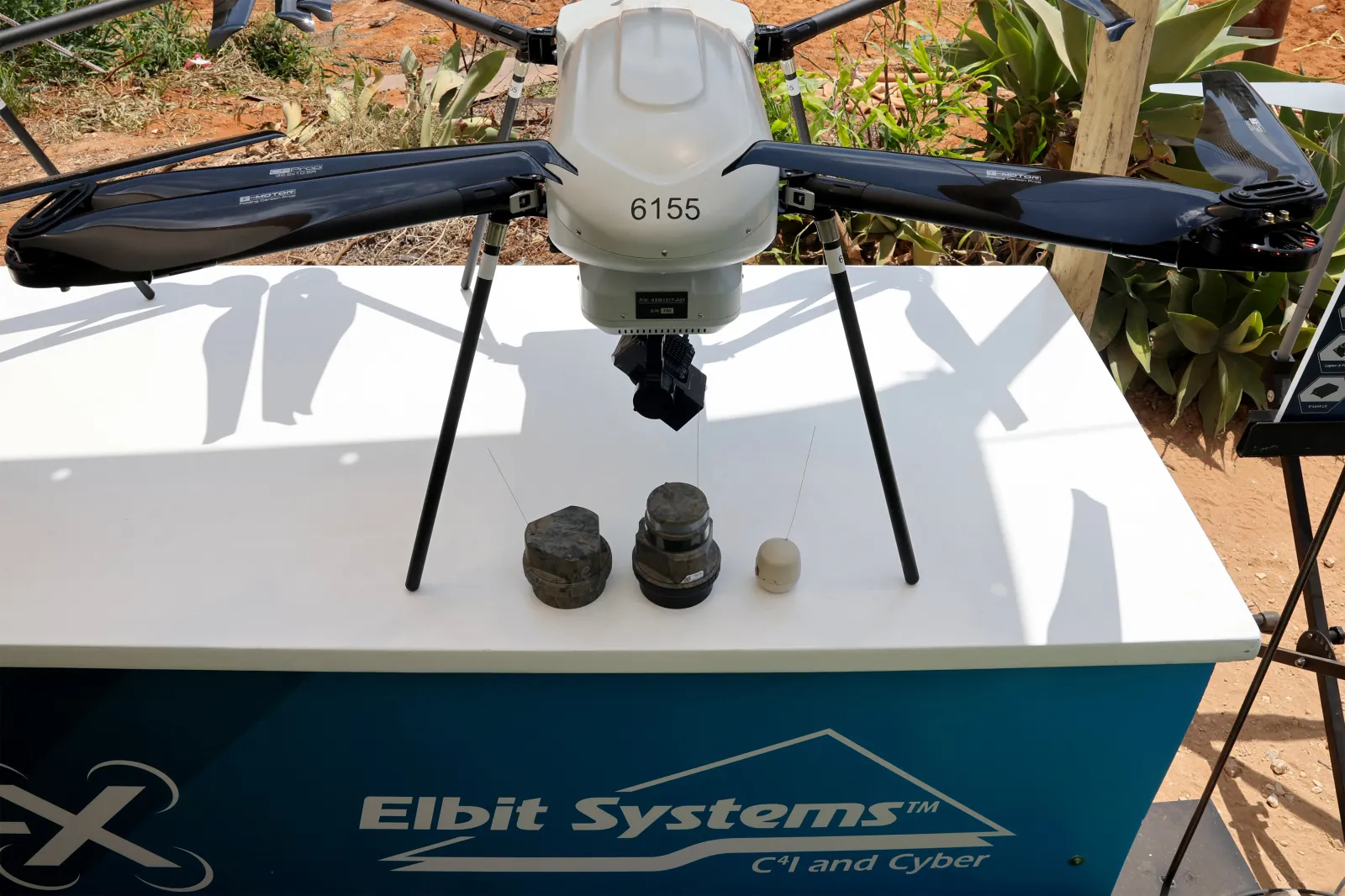
The United Arab Emirates has emerged as the previously undisclosed buyer behind a massive defense contract announced last month by Israeli defense firm Elbit Systems, according to French outlet Intelligence Online. Valued at roughly $2.3 billion, the deal is the largest in Elbit’s history.
Until now, the identity of the customer had remained secret, with Elbit only telling the Tel Aviv Stock Exchange that the contract involved a "strategic solution for an international customer."
Newsweek has contacted the UAE Foreign Ministry for comment via email.
Read More on News
Why It Matters
Elbit Systems is a defense electronics company specializing in unmanned systems, airborne sensors, and advanced military technologies, and manufactures some of Israel’s most sophisticated equipment. The deal centers on a highly advanced and sensitive system that could affect Israel’s military edge in the Middle East. Many details remain under a publication ban, reflecting the government’s caution in handling sensitive defense information.
The sale has drawn criticism from human rights organizations, including Amnesty International and Oxfam. These groups warn that advanced military systems provided to foreign buyers could be used in ways that contribute to civilian harm or violate international law. The transaction also underscores Israel’s broader security role in the region, including its aggressive military posture in Gaza.
...
What to Know
Since the 2020 Abraham Accords, Israeli defense firms have established a presence in the UAE. Companies such as Elbit Systems and Israel Aerospace Industries (IAI) have opened official representative offices in Abu Dhabi, facilitating direct cooperation and sales. Shortly after normalization, IAI reportedly sold batteries of its Barak MX air defense system to the Emirates, marking an early step in bilateral defense collaboration.
Investment and Technology Transfers
Earlier this year, the Emirati defense conglomerate Edge Group acquired a 30 percent stake in Third Eye, an Israeli company that develops systems for detecting and jamming drones. These transactions indicate a growing willingness on both sides to integrate advanced defense technology despite the strategic sensitivity of such systems.
The F-35 Context
At the same time, the UAE sought to purchase F-35 fighter jets from Lockheed Martin. While the potential sale was approved in principle under the Trump administration, the deal has never been finalized. Discussions stalled because of U.S. requirements for operational and security conditions, including concerns that advanced technology could be exposed through the UAE’s ties with China. These conditions, along with sovereignty considerations cited by the UAE, have prevented the sale from moving forward.

...
Israeli Approach
While Washington has shown willingness to halt the F-35 sale over security concerns, Israel has taken a more flexible approach in its defense cooperation with the UAE. The Elbit contract reflects this, as Israel balances strengthening regional alliances with maintaining control over sensitive military technology.
What Happens Next
The Elbit-UAE agreement is expected to influence future Israeli defense sales in the Gulf, as regional dynamics and technological demands continue to evolve. Washington will continue monitoring these transactions closely, given the strategic sensitivities involved and the balance of military power in the Middle East.
View 0 Comments
Submit Correction
View Editorial & AI Guidelines