...

By Hannah Millington
Health Reporter
0
Share
Newsweek is a Trust Project member
See more of our trusted coverage when you search.Prefer Newsweek on Googleto see more of our trusted coverage when you search.
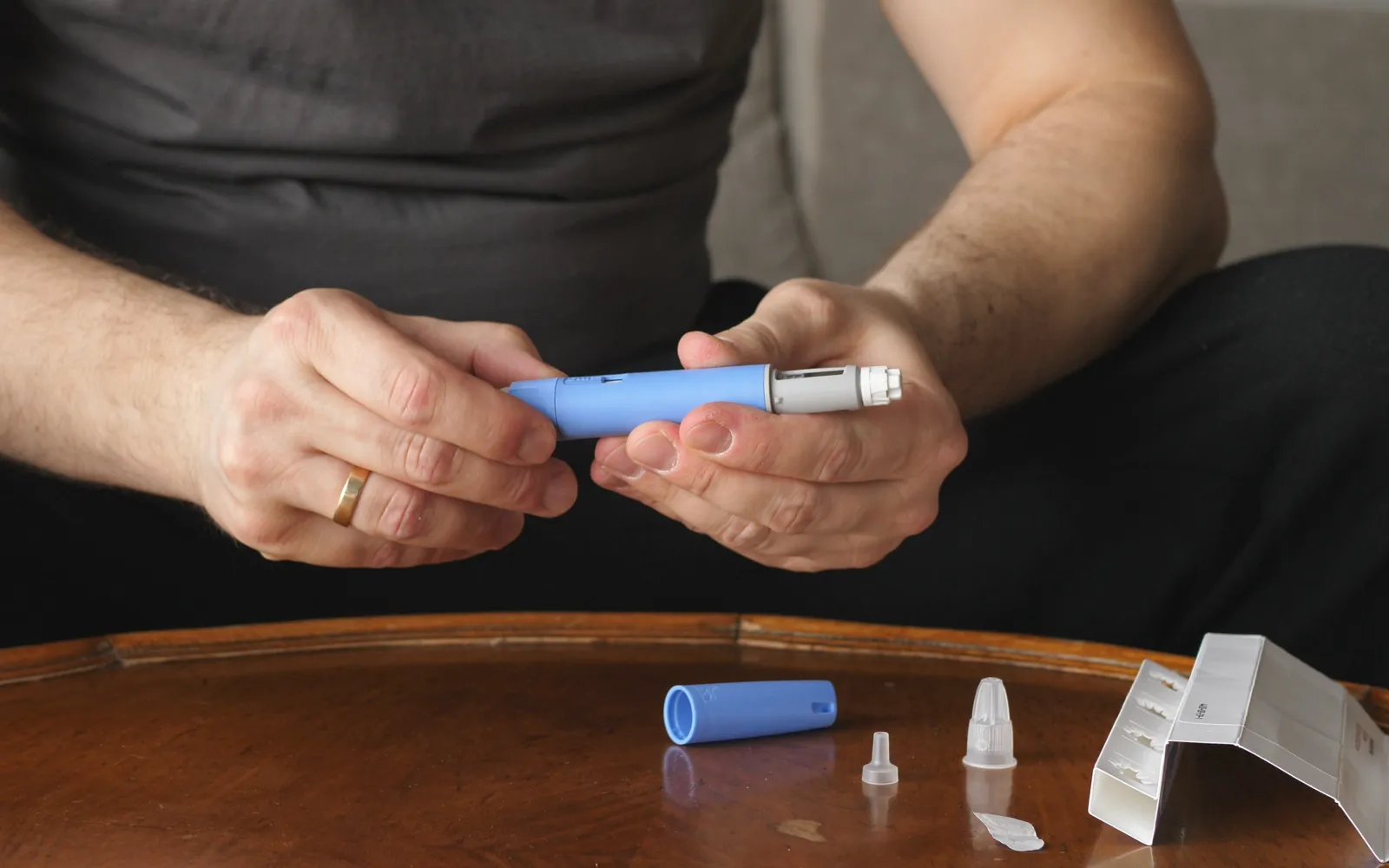
Half of patients on the weight loss drug semaglutide who do not have diabetes stop taking it within a year.
This is the discovery of a population-wide study that looked into adults who started taking the drug in Denmark.
Semaglutide belongs to a class of drugs called GLP-1 receptor agonists (GLP-1RAs), which, outside of potential side effects, are proving remarkably effective at helping people lose weight.
Read More on Health
However, the new research being presented at this year's Annual Meeting of the European Association for the Study of Diabetes (EASD) in Vienna (15–19 Sept) sheds light on high rates of early discontinuation and reasons contributing to this.
"This level of drop off is concerning because these medications aren't meant to be a temporary quick fix," study author and epidemiologist professor Reimar W. Thomsen of Aarhus University said in a statement.
"For them to work effectively, they need to be taken long term. All of the beneficial effects on appetite control are lost if the medication is stopped."
...
Originally developed for diabetes, GLP-1RAs have shown promise in promoting weight loss by reducing appetite and increasing satiety signals from the gut to the brain.
Semaglutide, specifically, is licensed for diabetes under Ozempic and weight loss under Wegovy.
Weight regain is common once the medication is discontinued, indicating people may need to remain on these drugs to maintain weight loss. However, there are growing concerns that many may stop anti-obesity medications not long after starting them.
With population-based data scarce, the researchers set out to help provide more evidence.
They used data from nationwide registries to examine the likelihood of—and reasons for—discontinuation of semaglutide use for weight loss in all adults (aged 18 or older) without diabetes who initiated treatment between the drug's launch date in Denmark (1 December 2022) and 1 October 2023.
Among 77,310 first-time users of semaglutide for weight loss, over half (with a median age of 50 and 72 percent women) were no longer taking it after one year—with 18 percent, 31 percent and 42 percent stopping treatment within three, six and nine months, respectively.
"Long-term use normally enables weight loss down to a certain point where it is then possible to keep your weight loss with continuous use," Thomsen told Newsweek.
"After the first half year the amount of wight loss may slow down, reaching maximum weight loss at about one year of continuous use, but you then need to keep taking the drug in a sufficient dose."
While the effectiveness of semaglutide in the very-long term is unclear—as the drugs are relatively new on the market—Thomsen said some patients may need to keep taking semaglutide indefinitely.
The team found the most common factor influencing the likelihood of discontinuation was age, with younger users aged 18–29 years 48 percent more likely to stop treatment within the first year than those aged 45–59 years.
Meanwhile, users living in low-income areas were 14 percent more likely to discontinue treatment within the first year than those living in high-income areas. These findings suggest the high cost of the medication is likely a barrier to treatment for many.
Other findings indicate a higher predisposition to adverse effects plays a role in the drop off too. People who had previously used gastrointestinal medications—potentially suggesting they're more vulnerable to the common adverse gastrointestinal side-effects reported by GLP1-RA users like nausea, vomiting, and diarrhea—were 9 percent more likely to discontinue semaglutide within the first year.
People with a history of psychiatric medications were 12 percent more likely to discontinue treatment within the first year, while those living with cardiovascular disease or other chronic conditions were around 10 percent more likely to stop treatment early.
Additionally, men were 12 percent more likely to stop treatment within a year than women, which the researchers say could reflect unsatisfactory weight loss, with better outcomes generally observed in women taking GLP-1RAs.
"I definitely think that some patients are happy with the weight loss they reached—maybe just a modest loss of some kilo—and then drop off," Thomsen added as the most simple possible explanation.
Thomsen doesn't believe that pharmacotherapy alone is the solution to tackle the "global obesity tsunami"—instead, he said, the root causes need to be addressed too.
"These results are new and shed light on the reasons for high rates of early discontinuation of semaglutide for weight loss in a real-world setting," he said.
"Understanding who may benefit most from interventions that encourage adherence is essential to improving treatment use and subsequent health outcomes and quality of life," he added.
Despite the "important findings," the authors note limitations including exact BMIs not generally being available in Danish health registries, while they couldn't access individual-level income, insurance coverage or out-of-pocket pay, which could partially affect the conclusions.
The researchers point out that GLP-1RAs are expensive and can potentially widen health disparities as obesity disproportionately affects marginalized racial, ethnic and socioeconomic communities.
They also note milder side effects and other potential reasons for discontinuation cannot be captured fully in registries and were likely underestimated. Finally, the researchers did not have information on the amount of weight loss achieved after semaglutide initiation.
Do you have a tip on a health story that Newsweek should be covering? Do you have a question about semaglutide? Let us know via health@newsweek.com.
A. Mailhac, L. Pedersen, I. Petersen, A. Pottegård, H. T Sørensen, & R. W Thomsen. (2025). Disontinuation of semaglutide therapy for weight loss: Population-based study of the first 77,310 users in Denmark. European Association for the Study of Diabetes, Vienna.
View 0 Comments
Submit Correction
View Editorial & AI Guidelines