10
Loading video...

By Aliss Higham
Reporter
0
Share
Newsweek is a Trust Project member
See more of our trusted coverage when you search.Prefer Newsweek on Googleto see more of our trusted coverage when you search.
A bacterial infection that can spread through sexual contact is becoming increasingly resistant to commonly used antibiotics in the United States.
Shigella is a highly contagious bacterium that causes an intestinal infection called shigellosis, typically causing symptoms like diarrhea, fever and stomach cramps. A 2026 report from the Centers for Disease Control and Prevention (CDC) found that the proportion of tested Shigella samples classified as extensively drug-resistant (XDR) rose from 0 percent between 2011 and 2015 to 8.5 percent in 2023. These strains are resistant to five antibiotics commonly used to treat the infection.
However, experts say the findings do not mean Americans are experiencing a nationwide surge in infections. Most people who contract shigellosis recover without antibiotics, and the greatest risks are concentrated among certain populations.
Read More on Health
"The number of cases does not seem to have increased over the last few years, although the proportion of the bacteria that are extensively drug-resistant has increased," Dr. Sarath Nath, an infectious disease expert at Stony Brook Medicine and director of the Stony Brook STD Clinic, told Newsweek.
The CDC's provisional surveillance figures recorded 13,921 reported cases among United States residents through September 26, 2026, compared with 14,277 over the corresponding period in 2025. These figures are subject to revision and do not include every infection in the United States.
What Is Shigella?
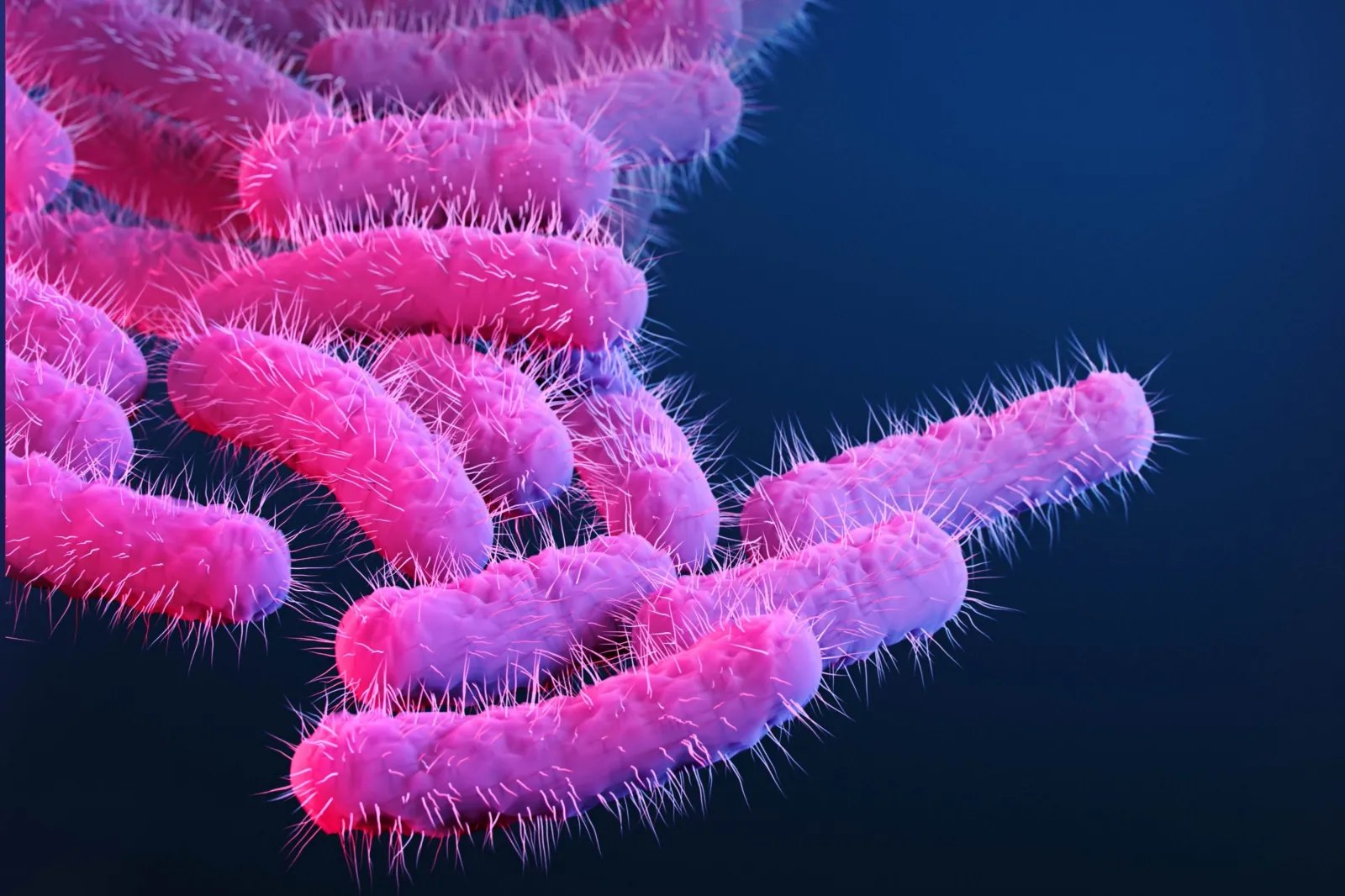
Shigella is a group of bacteria that causes an intestinal infection called shigellosis. The CDC estimates that approximately 450,000 infections occur across the U.S. every year.
Although the infection has attracted attention because of its potential to spread through sexual activity, it is not exclusively a sexually transmitted infection, with contaminated food, water and contact with infected individuals also being ways the illness can spread.
Shigellosis is particularly contagious because relatively few bacteria are needed to cause illness. According to the CDC, swallowing as few as 10 organisms can cause infection.
...
What Are the Main Symptoms of Shigellosis?
Symptoms generally begin one to two days after exposure and include diarrhea, which may be bloody, as well as fever, abdominal pain and a persistent feeling of needing to use the toilet even when the bowels are empty. Symptoms typically last five to seven days, although some people are ill longer. Most infections resolve without antibiotics, and rest and adequate hydration are usually enough for mild cases.
However, severe infections may require medical care, especially in people with weakened immune systems. People experiencing bloody diarrhea, prolonged symptoms, or signs of dehydration should seek medical advice.
Main Methods of Shigella Transmission
Shigella spreads through the fecal-oral route, meaning bacteria in an infected person's stool enter another person's mouth through contaminated food and drinking water, poor hand hygiene, contact with contaminated surfaces or close contact with infected individuals.
Sexual transmission occurs when activities result in exposure to microscopic amounts of infected fecal matter. This can include oral-anal contact, anal sex and contact with contaminated hands or sex toys. Anyone can contract the infection, although gay, bisexual and men who have sex with men face an increased risk, according to the CDC.
A CDC analysis published in April found that 86.2 percent of patients with extensively drug-resistant shigellosis for whom relevant demographic data were available were men. However, the researchers could not directly establish the proportion of these infections acquired through sexual activity because exposure information was incomplete.
Other vulnerable groups include young children, international travelers, people experiencing homelessness and those with compromised immune systems.
A separate 2026 study of 1,208 reported U.S. outbreaks between 2009 and 2022 found that person-to-person transmission was the dominant route, with childcare settings accounting for a substantial proportion of outbreaks.
Related Story

Hurricane Isaias Raises ‘Flesh-Eating’ Bacteria Risk for Gulf Coast
How Worried Should Americans Be About Drug Resistance?
While antibiotic resistance may raise alarm bells, experts don’t think the general public should be overwhelmingly concerned at this stage.
“Concerned but not alarmed,” Matthew J. Bertini, physician and founder and CEO of Austere Medicine Consultants, told Newsweek. “The latest data demonstrates that extensively drug-resistant Shigella went from 0 percent of isolates in 2011-2015 to 8.5 percent in 2023, with about a third of XDR patients requiring hospitalization.
“For most people who enjoy general good health, the individual risk is low. The looming public-health problem is that standard antibiotics are failing for a growing share of cases.”
CDC research covering nearly 17,000 bacterial samples collected between 2011 and 2023 found 510 extensively drug-resistant isolates. These bacteria were resistant to ampicillin, azithromycin, ceftriaxone, ciprofloxacin and trimethoprim-sulfamethoxazole. The agency warned that no FDA-approved oral antibiotics could treat infections resistant to all five.
Shivan M. Shah, MD, an assistant professor of infectious disease at the University of South Florida in Tampa, agreed that the most concern should be reserved for those with health conditions that might make them more susceptible to a serious infection.
"Most Shigella infections are self limited and do not require antibiotics," Shah told Newsweek, though those with severe infections or weakened immune systems may require treatment.
The CDC found that 37.6 percent of extensively drug-resistant patients with available hospitalization records had been admitted to hospital. However, hospitalization information was available for only 258 patients, limiting how broadly that finding can be applied.
How to Protect Yourself
As with most infectious diseases, straightforward hygiene measures can substantially reduce the risk of acquiring or transmitting Shigella. The CDC recommends washing hands, genitals and the anal area with soap and water before and after sexual activity, using condoms and other protection and thoroughly cleaning sex toys between uses.
People engaging in sexual activity involving the anal area should also consider using latex gloves for activities involving fingers or hands. Avoiding sexual contact during an infection is particularly important because bacteria can remain in an individual's stool after symptoms disappear.
"If you have diarrhea, it is best to abstain from sexual activity for at least two weeks, as bacterial shedding can continue even after symptoms have resolved," Nath said.
The CDC also advises waiting at least two weeks after diarrhea has ended before resuming sexual activity.
Contact Newsweek editors on this story: John Fitzpatrick and Sam Wilson.
View 0 Comments
Submit Correction
View Editorial & AI Guidelines