...

By Aliss Higham
Reporter
0
Share
Newsweek is a Trust Project member
See more of our trusted coverage when you search.Prefer Newsweek on Googleto see more of our trusted coverage when you search.
Americans who rely on food assistance are calling for stronger protections on their Supplemental Nutrition Assistance Program (SNAP) benefit cards.
A new survey of SNAP recipients found that more than half want upgraded card technology, with 53 percent saying they would prefer chip-enabled cards, an increase from 34 percent a year earlier. At the same time, 60 percent said they would feel more secure if their cards included automatic, around-the-clock fraud monitoring capable of blocking suspicious activity.
The survey conducted by Propel, a company that builds technology for safety net programs, between February 1 and 10, 2026, gathered responses from 8,164 EBT cardholders. SNAP benefits are distributed via electronic benefit transfer (EBT) cards, which can be used at approved retailers, but many still rely on older magnetic-stripe systems that lack the safeguards common in standard debit and credit cards.
Read More on News
Push for SNAP Security
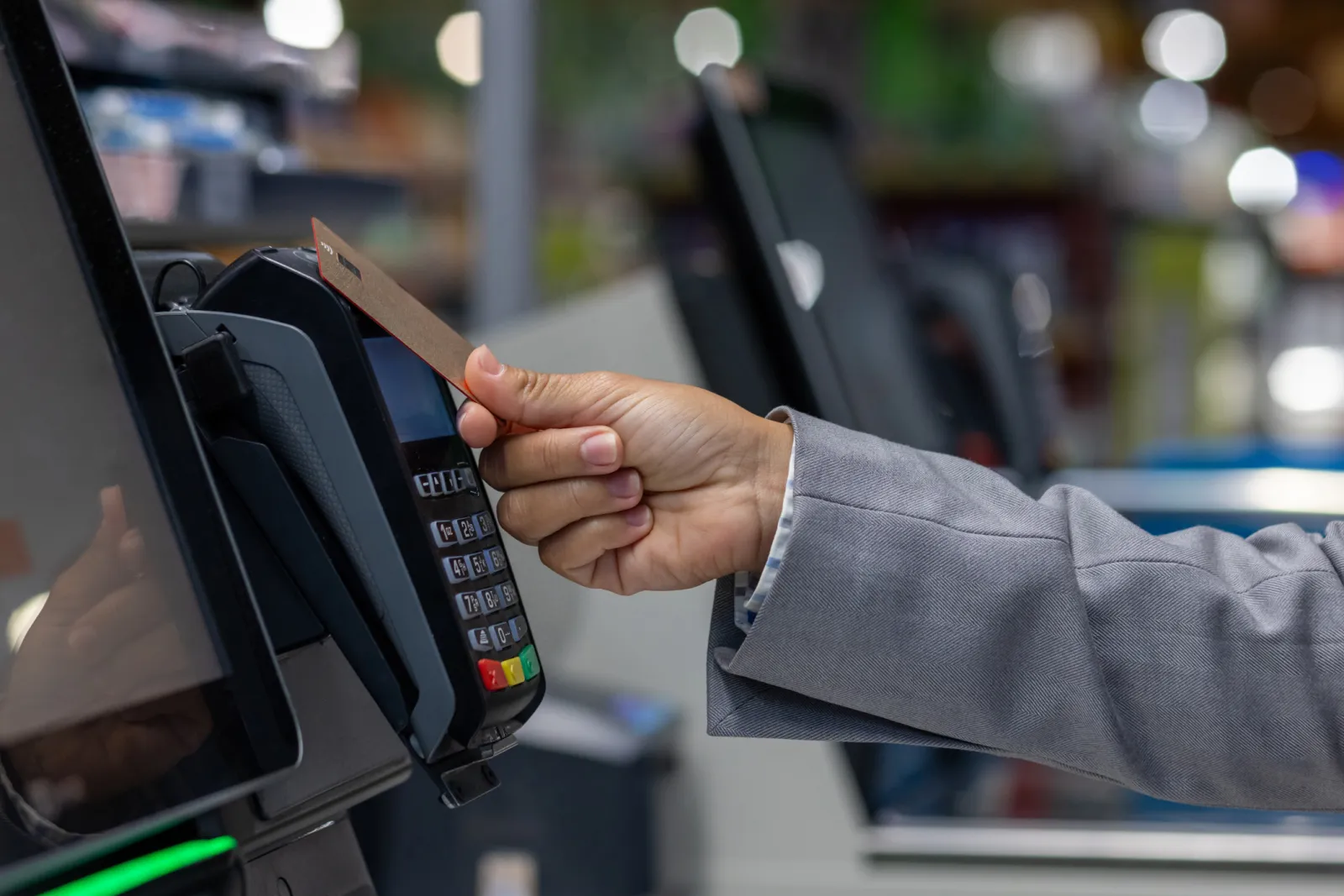
Both states and federal lawmakers are exploring ways to strengthen protections. Many SNAP cards do not yet use integrated circuit chip technology, which is standard on debit and credit cards and is more resistant to fraud tactics like card cloning.
The proposed Enhanced Cybersecurity for SNAP Act would require states to adopt updated security measures, including chip-enabled cards designed to prevent unauthorized transactions. If implemented, states would begin issuing these upgraded cards within two years, phase out magnetic-stripe cards within four years, and fully transition to chip-only cards within five.
...
Some states have already started making the switch. California introduced chip-enabled, tap-capable EBT cards in 2025 alongside additional security measures, the first state to do so.
Early data suggests the changes may be making a difference in California. Before the rollout, at least 19 percent of recipients surveyed by Propel reported having their benefits stolen in the previous year. After receiving chip-enabled cards, that figure more than halved to just 8 percent.
Other states are following suit. Oklahoma began issuing chip-enabled cards in January 2026, while Alabama started rolling them out the following month. Several others, including Arkansas, Massachusetts, Maryland, Michigan, New Jersey and Virginia, are in various stages of adopting the technology, according to the U.S Department of Agriculture.
Theft Continues to Take a Toll
Despite improvements in some states, fraud remains an issue. Propel estimates that more than $600 million in SNAP benefits were stolen in 2025, affecting roughly one in five households.
According to the survey, 57 percent of victims said they skipped or reduced meals as a direct result of theft, while 43 percent went into debt to cover essential expenses. Losses are often substantial, with nearly two-thirds of victims reporting that more than $250 was taken in their most recent incident, and nearly one-third losing over $500. The average monthly SNAP benefit payment in 2025 was $187.93 per person.
Although fewer households reported theft compared to the previous year, the problem remains widespread. About 18 percent of respondents experienced at least one incident, while 5 percent reported being targeted multiple times. The financial impact per incident has also grown, with 64 percent of victims losing at least $250—up from 58 percent in 2025.
What People Are Saying
Jimmy Chen, founder and CEO of Propel, said: "Families who rely on EBT cards often lack a financial buffer, so having your EBT benefits stolen can directly result in skipped meals. This is an urgent issue for millions of American families."
Democratic Senator Ron Wyden of Oregon, a sponsor of the Enhanced Cybersecurity for SNAP Act, said: "Cybersecurity shouldn't depend on income or ZIP code. It’s time to overhaul this two-tier system that leaves families in need even more vulnerable with outdated technology. I'm all in to get this legislation across the finish line and ensure no hungry family has to lose sleep over their food assistance being stolen."
What Happens Next
Propel recommended that to improve benefit safety, "real-time fraud protections" should be built into EBT infrastructure as well as "better coordination across the agencies, states, and technology providers that touch the benefit delivery system every day."
View 0 Comments
Submit Correction
View Editorial & AI Guidelines