...

By Anna Commander
News Editor
0
Share
Newsweek is a Trust Project member
See more of our trusted coverage when you search.Prefer Newsweek on Googleto see more of our trusted coverage when you search.
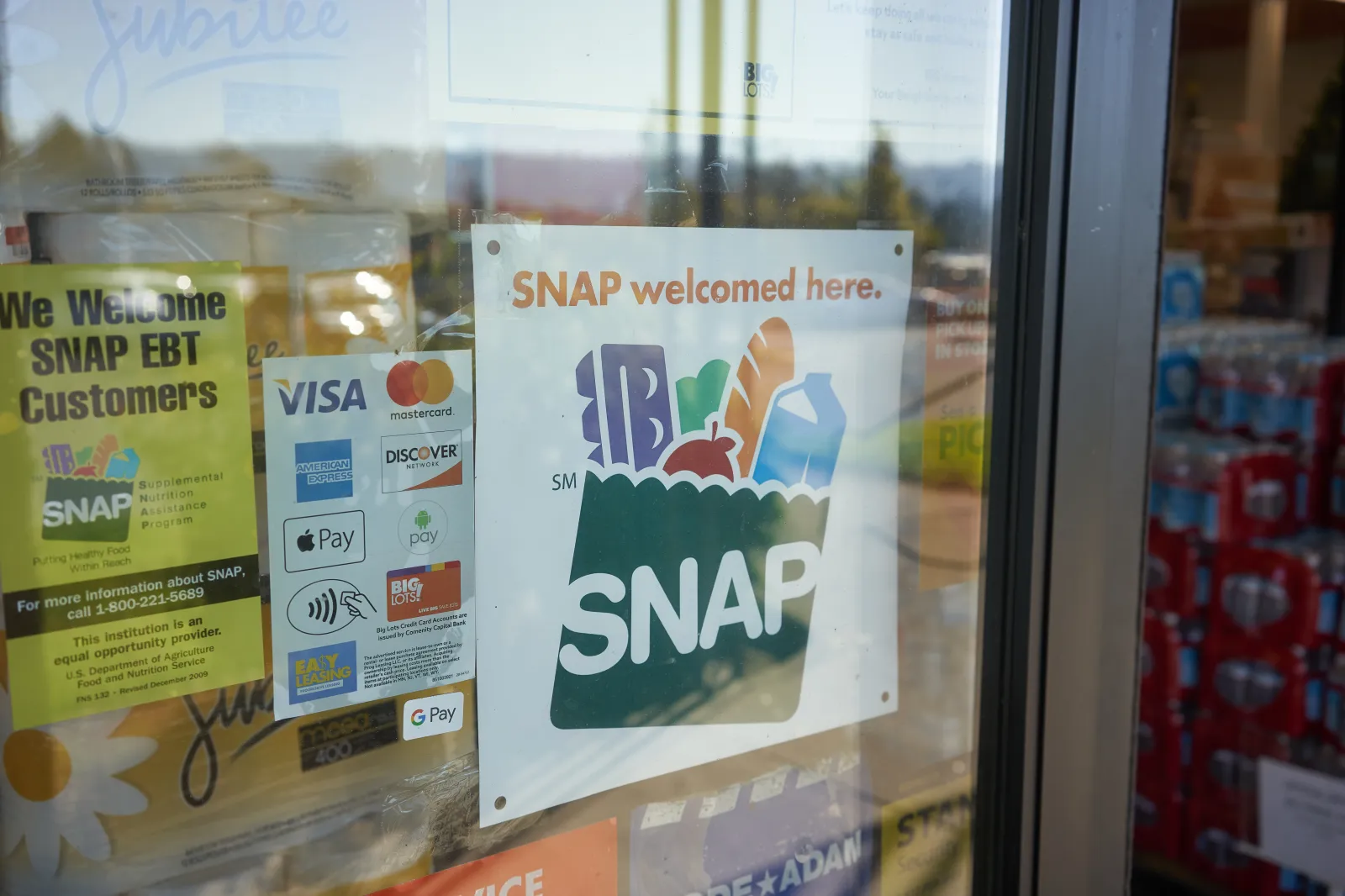
President Donald Trump's administration has issued a new warning to most Democrat-run states, saying they risk losing federal Supplemental Nutrition Assistance Program (SNAP) funding if they do not comply with new data-sharing requirements.
When reached for comment on Tuesday, a U.S. Department of Agriculture (USDA) spokesperson told Newsweek: "USDA established a SNAP integrity team to analyze not only data provided by states, but to scrub all available information to end indiscriminate welfare fraud. 28 States and Guam joined us in this fight; but states like California, New York, and Minnesota, among 19 other blue States, keep fighting us."
The spokesperson continued, "They choose to protect illegals, criminals, and bad actors over the American taxpayer. We have sent Democrat States yet another request for data, and if they fail to comply, they will be provided with formal warning that USDA will pull their administrative funds."
Read More on U.S.
Why It Matters
SNAP, formerly known as food stamps, helps almost 42 million low- and no-income Americans buy groceries each month. Recent federal actions and new USDA directives are projected to remove millions of recipients from the program.
At the same time, the Trump administration's demand for recipient data has sparked a conflict with Democratic-led states, which say the requirements jeopardize vulnerable families and raise concerns about privacy and legality. These measures have prompted lawsuits and left millions of Americans uncertain about the future of their nutrition benefits.
...
What To Know
The Trump administration is requiring states to provide detailed information about SNAP recipients, including immigration status, to root out what it calls widespread fraud.
"Twenty-one states, including California, New York, and Minnesota, the blue states, continue to say no," Agriculture Secretary Brooke Rollins said at a Cabinet meeting on Tuesday. "So as of next week, we have begun and will begin to stop moving federal funds into those states until they comply, and they tell us, and allow us to partner with them to root out this fraud and to protect the American taxpayer."
Rollins posted on X after the meeting: "NO DATA, NO MONEY — it’s that simple. If a state won’t share data on criminal use of SNAP benefits, it won’t get a dollar of federal SNAP administrative funding. Let’s see which states stand for accountability and which are just protecting their bribery schemes."
The USDA told Newsweek that 28 states have complied: Alabama, Alaska, Arkansas, Florida, Georgia, Idaho, Indiana, Iowa, Louisiana, Mississippi, Missouri, Montana, Nebraska, Nevada, New Hampshire, North Carolina, North Dakota, Ohio, Oklahoma, South Carolina, South Dakota, Tennessee, Texas, Utah, Vermont, Virgina, West Virginia and Wyoming.
What People Are Saying
House Minority Leader Hakeem Jeffries, a New York Democrat, wrote on X in October: "The Republican One Big Ugly Bill cut $186 billion from SNAP. That’s the largest cut to nutritional assistance in American history. And now the extremists want to force millions more to go hungry. Enough."
Democratic Senator Alex Padilla of California wrote on X on Tuesday: "$1,112. That’s how much more Californians have had to spend since February to keep up with the skyrocketing cost of living under Trump. While Californians struggle to make ends meet, Trump is cutting SNAP benefits and allowing health care costs to skyrocket, all while handing out massive tax breaks for his billionaire friends."
What Happens Next
States are now under pressure to decide whether to comply with federal demands or risk losing funding, while advocacy groups and attorneys general vow to continue legal resistance to policies they argue will increase food insecurity.
Update 12/02/25, 4:43 p.m. ET: This article was updated with additional information.
View 0 Comments
Submit Correction
View Editorial & AI Guidelines