
...

By Aliss Higham
Reporter
0
Share
Newsweek is a Trust Project member
See more of our trusted coverage when you search.Prefer Newsweek on Googleto see more of our trusted coverage when you search.
Several states will begin paying SUN Bucks benefits in June as children across the country start their summer break.
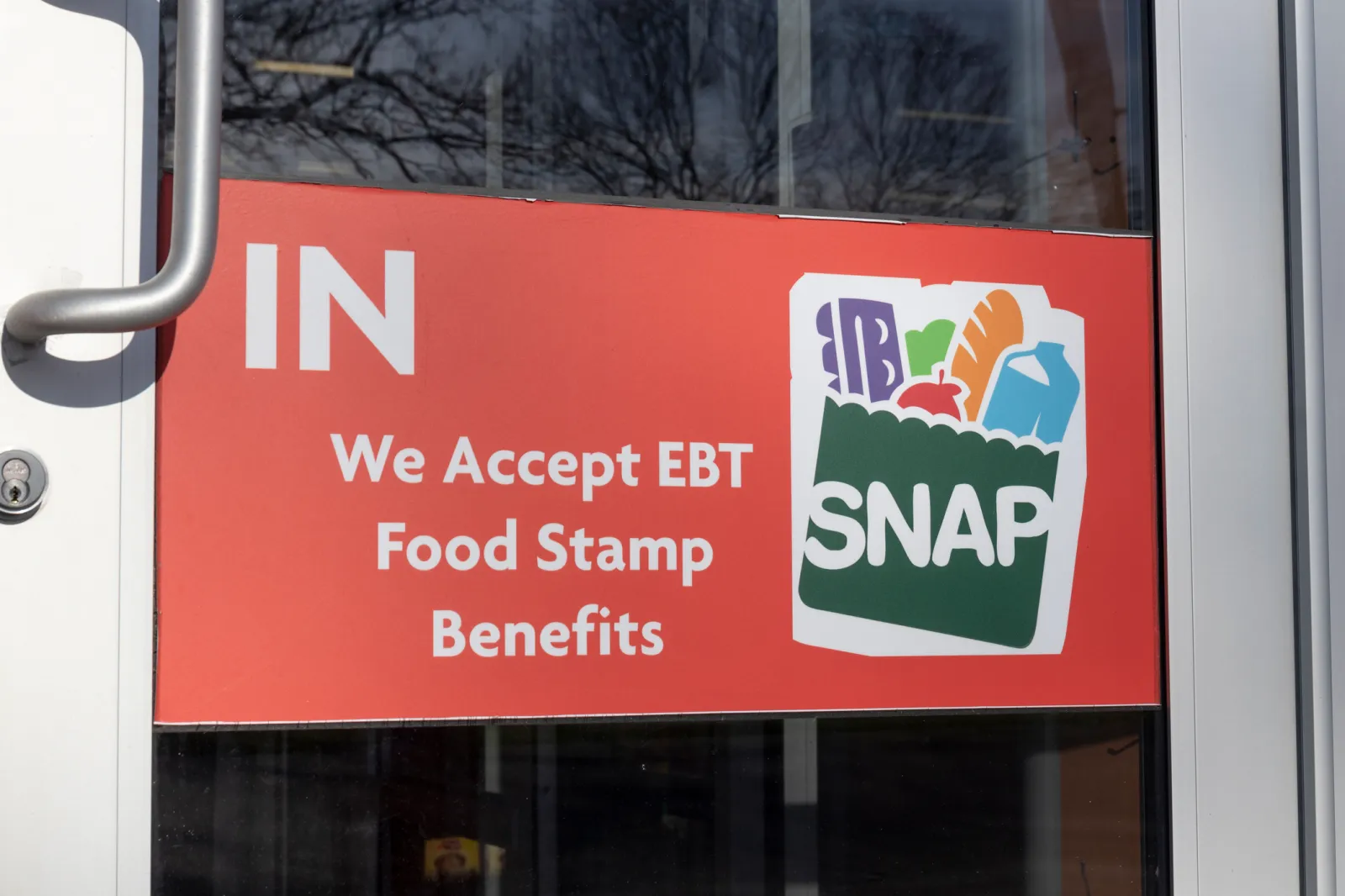
The Summer Electronic Benefit Transfer program, also known as Summer EBT, SUN Bucks or SNAP (Supplemental Nutrition Assistance Program), provides eligible families with $120 per school-age child to help cover grocery costs during the summer months when school is not in session.
Benefits are mostly for children who received free or discounted school meals during term time.
Read More on News
Benefits can be used to purchase SNAP-approved food items, including fruits, vegetables, dairy products, grains, meat and poultry. However, funds cannot be spent on non-food products such as cleaning supplies, alcohol or hot prepared foods.
Which States Are Taking Part?
Thirty-nine states, Washington D.C. and four overseas territories are confirmed to be taking part in SUN Bucks this summer.
Confirmed States
- Alabama
- Arizona
- Arkansas
- California
- Connecticut
- District of Columbia
- Colorado
- Delaware
- Hawaii
- Illinois
- Iowa
- Kansas
- Kentucky
- Louisiana
- Maine
- Massachusetts
- Maryland
- Michigan
- Minnesota
- Missouri
- Montana
- Nebraska
- Nevada
- New Hampshire
- New Jersey
- New Mexico
- New York
- North Carolina
- North Dakota
- Ohio
- Oklahoma
- Oregon
- Pennsylvania
- Rhode Island
- Virginia
- Vermont
- Washington
- West Virginia
- Wisconsin
- Wyoming
Territories Taking Part
- Guam
- Northern Mariana Islands
- Puerto Rico
- U.S. Virgin Islands
...
Not Participating
- Alaska
- Florida
- Georgia
- Idaho
- Indiana
- Mississippi
- South Carolina
- South Dakota
- Tennessee
- Texas
- Utah
Payments in June 2026
Payments are most often made in one bulk sum of $120, but some states issue payments in $40 increments once per month.
...
Several states have already confirmed they will begin disbursements in June 2026. They are:
- Alabama: Benefits will "start being sent in June 2026," Alabama's Department of Human Resources has confirmed.
- California: First $40 payments will be sent in June, with additional payments made in July and August.
- Connecticut: The state has confirmed payments are "expected to be deposited" in late June.
- Maine: Issuance will start "between June 1 and June 15," the state's Department of Health and Human Services has confirmed.
- Massachusetts: Benefits expected early June.
- Maryland: Like California, first payments will be made in June, with subsequent payments in July and August.
- New York: Benefits to be issued beginning in June and continue throughout the summer.
- North Dakota: Issuance has already started, with some benefits to be delivered in early June.
- Virginia: Department of Social Services will begin issuing benefits starting in June 2026 "on a rolling basis."
- Washington DC: Disbursements begin in June 2026 for those automatically enrolled. Payments may be later for those who have to apply.
Who Qualifies for Summer EBT?
Children may automatically qualify for Summer EBT if they are enrolled in certain public assistance programs or receive free or reduced-price school meals. Eligible groups include:
- Children in households participating in SNAP, Temporary Assistance for Needy Families (TANF), the Food Distribution Program on Indian Reservations, or Medicaid in participating states.
- Students attending schools that participate in the National School Lunch Program or School Breakfast Program who meet income requirements.
Most eligible families will receive benefits automatically. Families who are not automatically enrolled but believe they qualify can apply through their state's Summer EBT application portal.
SUN Bucks Distribution
Depending on the state, Summer EBT or SUN Bucks payments may be distributed in several ways:
- Deposited directly onto an existing SNAP EBT card
- Added to a Summer EBT card issued in a previous year
- Loaded onto a new Summer EBT card mailed to eligible households
View 0 Comments
Submit Correction
View Editorial & AI Guidelines