...

By Joe Edwards
Reporter
0
Share
Newsweek is a Trust Project member
See more of our trusted coverage when you search.Prefer Newsweek on Googleto see more of our trusted coverage when you search.
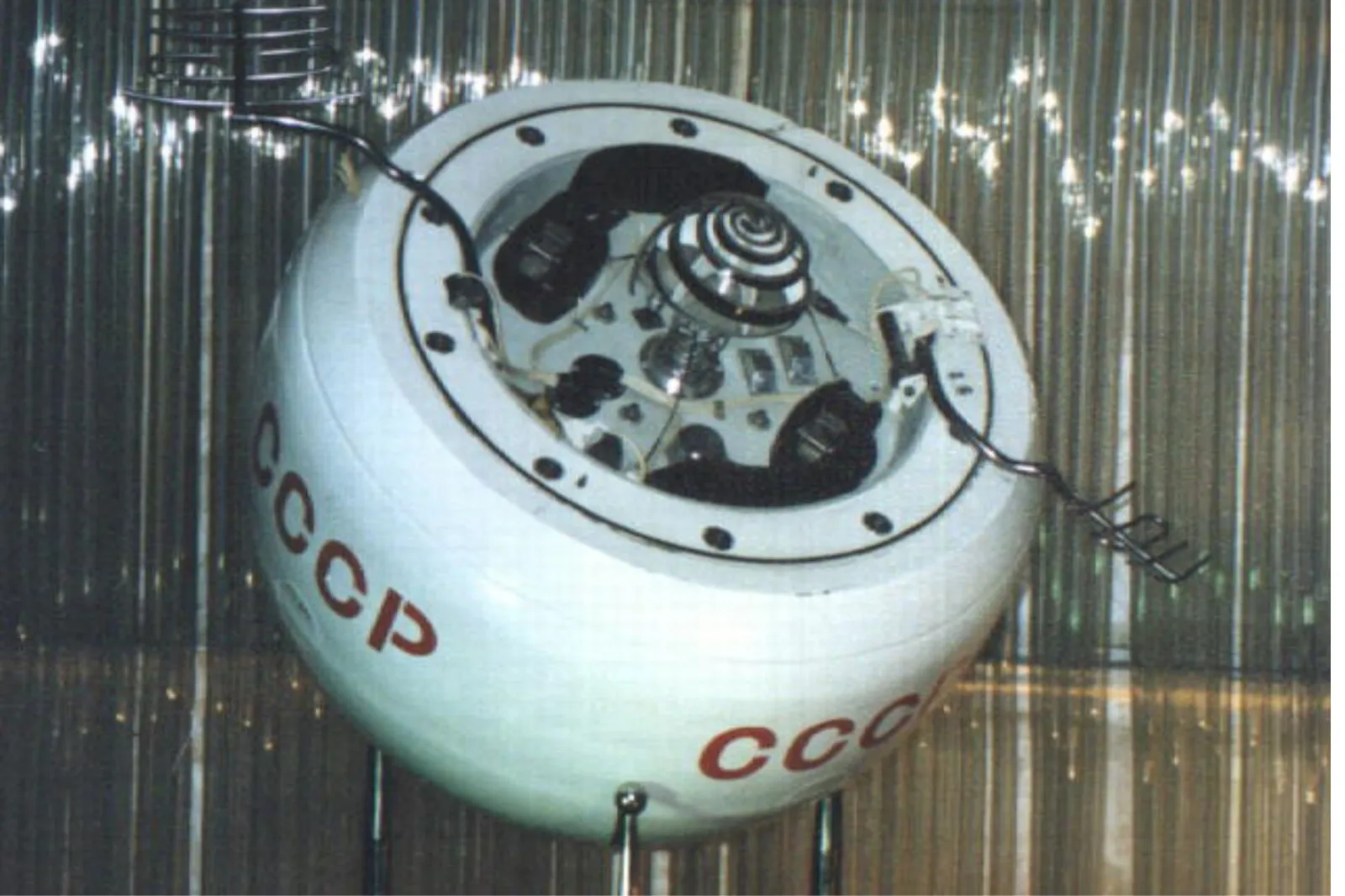
A derelict Soviet-era spacecraft known as Kosmos 482 is set to hurtle back toward Earth after more than five decades in orbit.
Newsweek contacted Russia's Roscosmos via email for comment on Wednesday.
Why It Matters
Originally launched by the Soviet Union in 1972 as part of an ill-fated mission to Venus, the spacecraft has remained aloft in a deteriorating orbit. Experts now say it may reenter the atmosphere as early as this week.
Read More on News
...
What To Know
Launched on March 31, 1972, from the Baikonur Cosmodrome, Kosmos 482 was intended to be a Venus probe, according to NASA.
After entering a parking orbit around Earth, the spacecraft appeared to initiate a transfer toward Venus. It then broke into four components: two remained in low Earth orbit and reentered the atmosphere within 48 hours, while the other two—likely the lander probe and the detached upper stage engine—entered a higher elliptical orbit, NASA added.
It is believed that a malfunction caused an incomplete engine burn, which failed to provide the necessary velocity for the Venus transfer, leaving the payload stranded in this orbit.
According to NASA, the lander probe's orbit has been gradually decaying, and it is projected to reenter Earth's atmosphere around May 10.
Marco Langbroek, a lecturer and space traffic expert at Delft University of Technology in the Netherlands, said that should the Kosmos object hit the ground, it would most likely do so between 52 degrees north and 52 south latitudes.
How To Track Kosmos 482
Multiple sources are offering regular updates tracking the descent of the probe, including the EU's Space Surveillance and Tracking Operations Centres and the European Space Agency's (ESA) Space Debris Office.
At the time of writing, the ESA was predicting that the reentry of the descent craft will take place at 6:26 a.m. UTC (2:26 a.m. ET), with an uncertainty of +/- 4.35 hours.
What People Are Saying
Speaking of the likely landing area, Marco Langbroek told CNN: "That area encompasses several prominent landmasses and countries: the whole of Africa, South America, Australia, the USA, parts of Canada, parts of Europe, and parts of Asia. … But as 70 percent of our planet is water, chances are good that it will end up in an Ocean somewhere."
NASA said on its website: "Typically Soviet planetary missions were initially put into an Earth parking orbit as a launch platform with a rocket engine and attached probe. The probes were then launched toward their targets with an engine burn with a duration of roughly four minutes. If the engine misfired or the burn was not completed, the probes would be left in Earth orbit and given a Cosmos designation."
What Happens Next
NASA said the probe is expected to reenter Earth's atmosphere between May 9 and 11, adding, "The time and location of atmospheric reentry should be known more accurately over the next few days, but the uncertainty will be fairly significant right up to reentry."
Update 5/9/25, 9:46 a.m. ET: This article was updated with additional information and a new headline.
View 0 Comments
Submit Correction
View Editorial & AI Guidelines