...


By Ellie Cook and Gabe Whisnant
0
Share
Newsweek is a Trust Project member
See more of our trusted coverage when you search.Prefer Newsweek on Googleto see more of our trusted coverage when you search.
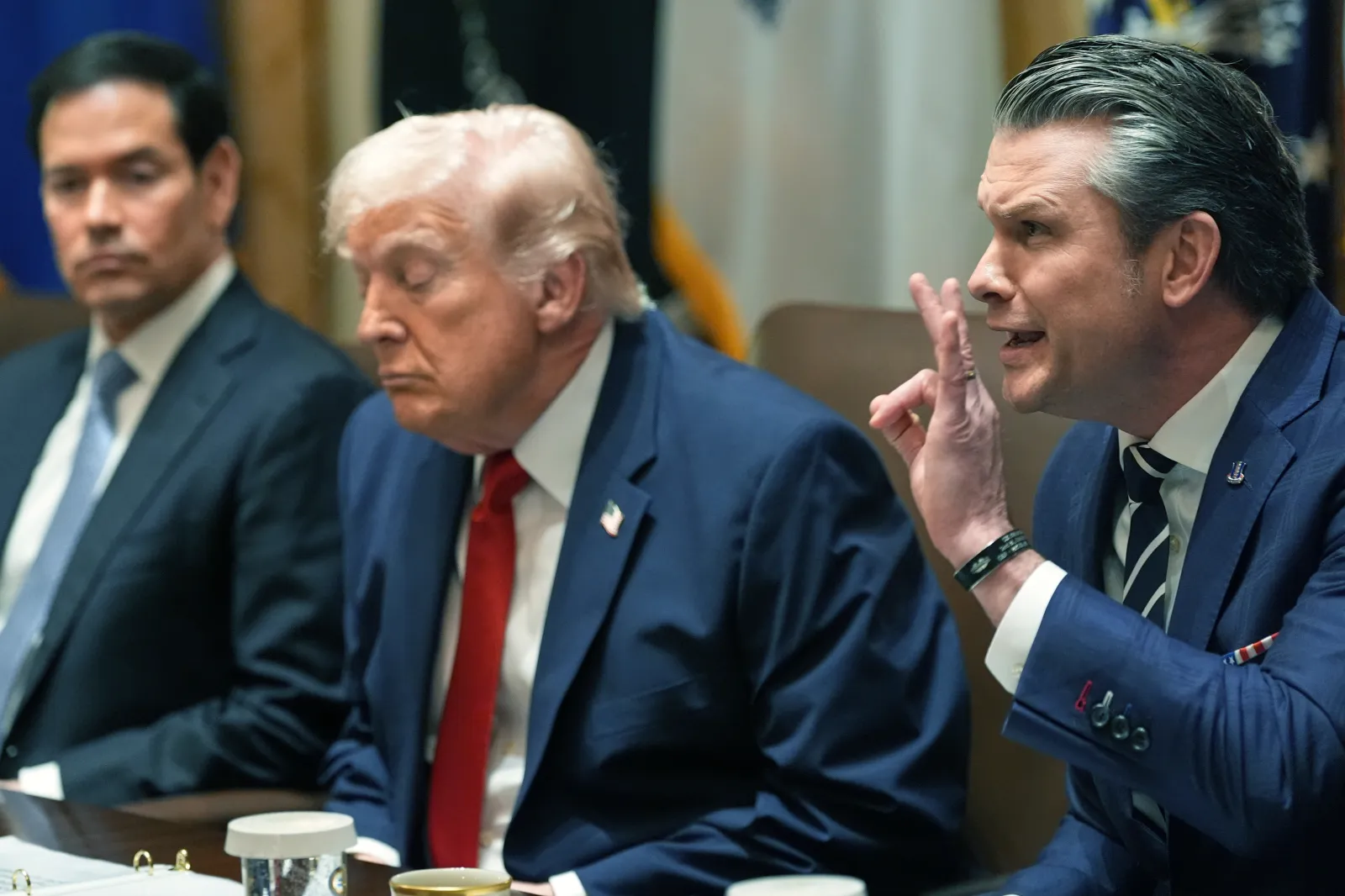
The White House told Newsweek on Monday the United States does not need “help from Spain or anyone else” after Madrid closed its airspace to U.S. aircraft involved in the Iran war, a move that underscores the country's opposition to U.S. and Israeli military operations in the Middle East.
“The United States Military is meeting or surpassing all of its goals under Operation Epic Fury and does not need help from Spain or anyone else," the White House official said.
Why Did Spain Close Its Airspace to US Planes?
Spain closed its airspace to U.S. aircraft involved in the Iran war as part of its broader refusal to support U.S. and Israeli military operations that the Spanish government has described as illegal and unjust.
Read More on Politics
Spanish Defense Minister Margarita Robles said Madrid had already barred the use of jointly operated military bases for the conflict and applied the same logic to its airspace, saying Spanish authorities made clear from the outset that neither bases nor airspace would be authorized for actions related to the war.
“This was made perfectly clear to the American military and forces from the very beginning. Therefore, neither the bases are authorized, nor, of course, is the use of Spanish airspace authorized for any actions related to the war in Iran,” Robles said Monday.
...
Meanwhile, Prime Minister Pedro Sánchez has called for an end to the war.
“You cannot respond to one illegality with another, because that’s how humanity’s great disasters begin," he said earlier this month.
After Sánchez’s government barred the U.S. from using the Rota and Morón military bases in southern Spain, President Donald Trump threatened to cut trade with Madrid.
Washington had made similar trade threats last year after Sánchez said his government would not raise defense spending in line with a target backed by other NATO members following pressure from Trump.
At the time, Spain’s government said it could meet its military obligations by spending 2.1 percent of gross domestic product (GDP) on defense, rather than the 5 percent level agreed to by the rest of the 32‑nation alliance.

...
Is Spain Part of NATO?
Spain is a member of NATO, having joined the alliance in 1982, and remains bound by its collective defense commitments under the treaty. While Spain participates in NATO missions and hosts key alliance infrastructure, membership does not require countries to support all U.S. military operations, and Spanish officials have said their opposition to the Iran war does not alter Spain’s standing within the alliance.
NATO has not commented on Spain's decision, deferring comment to the country's officials.
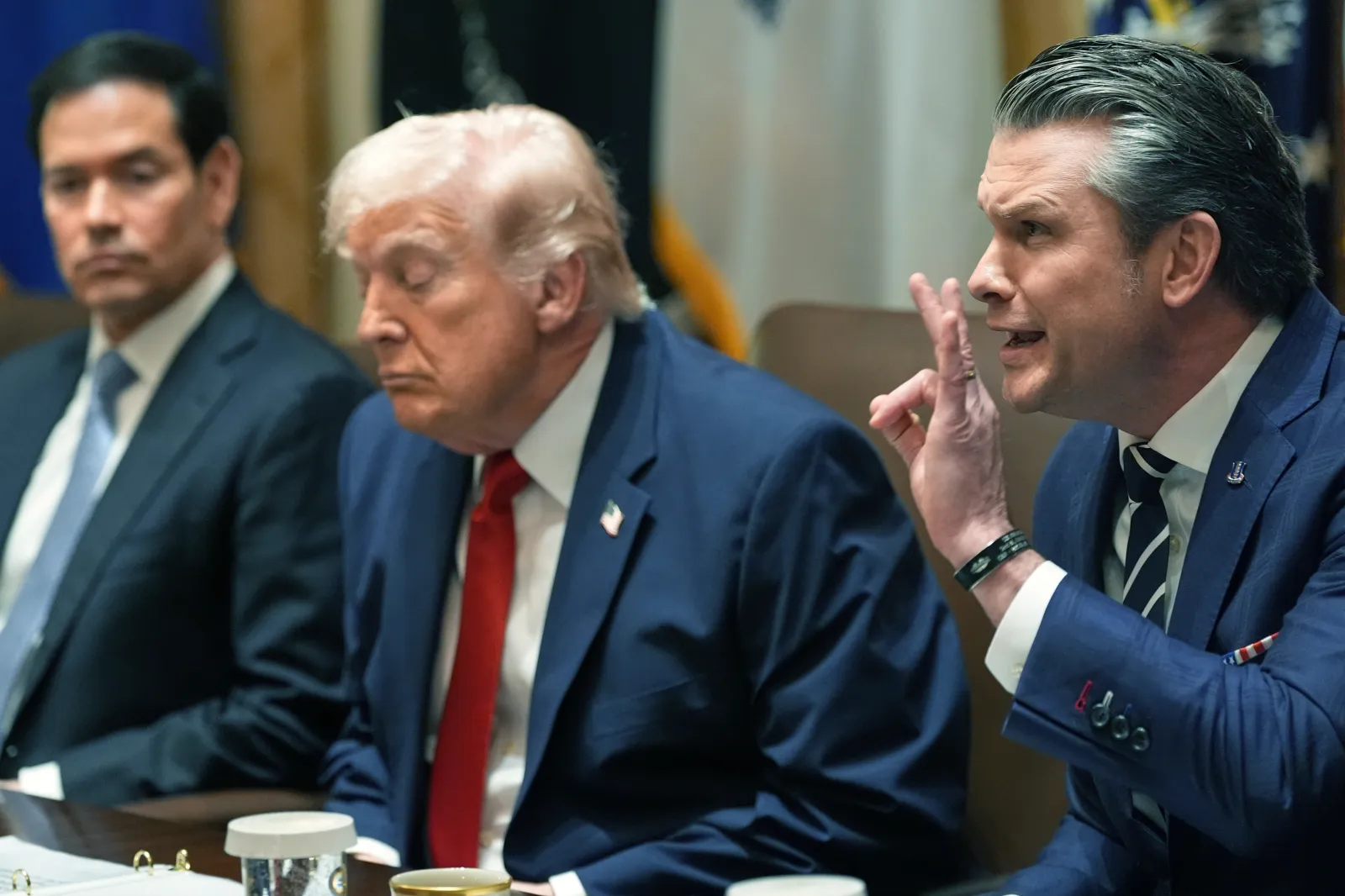
U.S. Secretary of State Marco Rubio accused Spain’s leaders of “bragging” about closing the country’s airspace, even as Washington has pledged to defend the NATO ally. Rubio said the trans‑Atlantic military alliance remains valuable to the U.S. because it allows its forces to station troops, aircraft and weapons in parts of the world where the U.S. would not otherwise have bases, including across much of Europe.
“But if NATO is just about us defending Europe if they’re attacked, but then denying us basing rights when we need them, that’s not a very good arrangement,” Rubio told Al Jazeera on Monday. “That’s a hard one to stay engaged in and say this is good for the United States. So all of that is going to have to be reexamined.”
How Many US Soldiers Have Died in the Iran War?
At least 13 U.S. service members have been killed since the U.S. and Israel launched military operations against Iran in late February, according to U.S. military and media reports. The deaths include casualties from Iranian missile and drone attacks on U.S. facilities as well as a refueling aircraft crash during the conflict, with additional troops wounded across the region.
Update 3/30/26, 5:51 p.m. ET: This article was updated with new information and remarks.
This article includes reporting by the Associated Press.
In a polarized era, the center is dismissed as bland. At Newsweek, ours is different: The Courageous Center—it's not "both sides," it's sharp, challenging and alive with ideas. We follow facts, not factions. If that sounds like the kind of journalism you want to see thrive, we need you.
When you become a Newsweek Member, you support a mission to keep the center strong and vibrant. Members enjoy: Ad-free browsing, exclusive content and editor conversations. Help keep the center courageous. Join today.


View 0 Comments
Submit Correction
View Editorial & AI Guidelines