...

By Adeola Adeosun
Weekend Night Editor
0
Share
Newsweek is a Trust Project member
See more of our trusted coverage when you search.Prefer Newsweek on Googleto see more of our trusted coverage when you search.
Oil prices surged more than six percent in early trading Sunday as Iran's reversal on reopening the Strait of Hormuz intensified a global energy crisis — and then escalated further after the U.S. seized an Iranian-flagged cargo ship attempting to evade the naval blockade, throwing a fragile ceasefire into question days before it expires.
U.S. crude jumped 6.4 percent to $87.88 per barrel while Brent crude climbed 6.5 percent to $96.25, with analysts warning prices could worsen the longer the strait remains closed. A gallon of regular gas averaged nearly $4.05 in the U.S. on Sunday, according to AAA — far higher than the $2.98 average before the war began on February 28.
Why It Matters
The Strait of Hormuz is the world's most critical oil chokepoint, through which roughly one-fifth of global oil trade normally passes, along with fertilizer, natural gas, and humanitarian supplies for countries including Afghanistan and Sudan. Its closure — now entering its eighth week of the U.S.-Iran war — has created one of the worst global energy crises in decades, with countries across Asia and Europe bearing the heaviest impact.
Read More on News
Energy Secretary Chris Wright said pump prices may not fall below $3 a gallon until next year, though he told CNN's State of the Union on Sunday that "prices have likely peaked, and they'll start going down."
Even if a lasting deal emerges, analysts warn it could take months for oil shipments to return to normal levels due to backed-up tanker traffic, shipowner concerns about sudden escalation, and war-damaged energy infrastructure.
...
What To Know
The market whipsaw followed more than two days of volatile expectations. Iran announced Friday it would fully reopen the strait, sending crude prices plunging more than nine percent. Tehran reversed course Saturday after Trump declared the U.S. Navy blockade of Iranian ports would remain in effect, and Iran's Revolutionary Guard fired on several vessels attempting to transit.
Then on Sunday, the standoff sharpened further. President Donald Trump announced on social media that a U.S. Navy guided missile destroyer in the Gulf of Oman warned the Iranian-flagged cargo ship Touska to stop, then "stopped them right in their tracks by blowing a hole in the engineroom." U.S. Marines took custody of the U.S.-sanctioned vessel. U.S. Central Command said the destroyer had issued "repeated warnings over a six-hour period." It was not immediately clear whether anyone was hurt.
Iran's joint military command called the boarding an act of piracy and a ceasefire violation. Iranian Foreign Minister Abbas Araghchi told his Pakistani counterpart that recent U.S. actions and "contradictions were signs of bad intentions and lack of seriousness in diplomacy." Iranian President Masoud Pezeshkian, in a call with Pakistani Prime Minister Shehbaz Sharif, said U.S. behavior had led to increased suspicion that Washington would "betray diplomacy."
The Ceasefire and Talks in Jeopardy
Trump had announced Sunday that U.S. negotiators — led by Vice President JD Vance, with envoys Steve Witkoff and Jared Kushner — would head to Pakistan on Monday for a second round of direct talks. Iranian state media, citing unnamed sources, suggested the talks would not take place. Pakistan did not formally confirm the second round, though authorities had begun tightening security in Islamabad and a regional official told the Associated Press that U.S. advance security teams were already on the ground.
Iran's chief negotiator, parliament speaker Mohammed Bagher Qalibaf, acknowledged late Saturday that "a wide gap remained between the sides" on issues including Iran's nuclear enrichment program, its regional proxies, and control of the strait. Trump renewed his threats against Iranian infrastructure in the same post announcing talks, warning that if Iran doesn't agree to a deal, "the United States is going to knock out every single Power Plant, and every single Bridge, in Iran."
Iran's Supreme National Security Council said the country "is determined to maintain oversight and control over traffic through the strait until the war fully ends" — meaning Iran-designated routes, payment of fees, and issuance of transit certificates.
What Happens Next
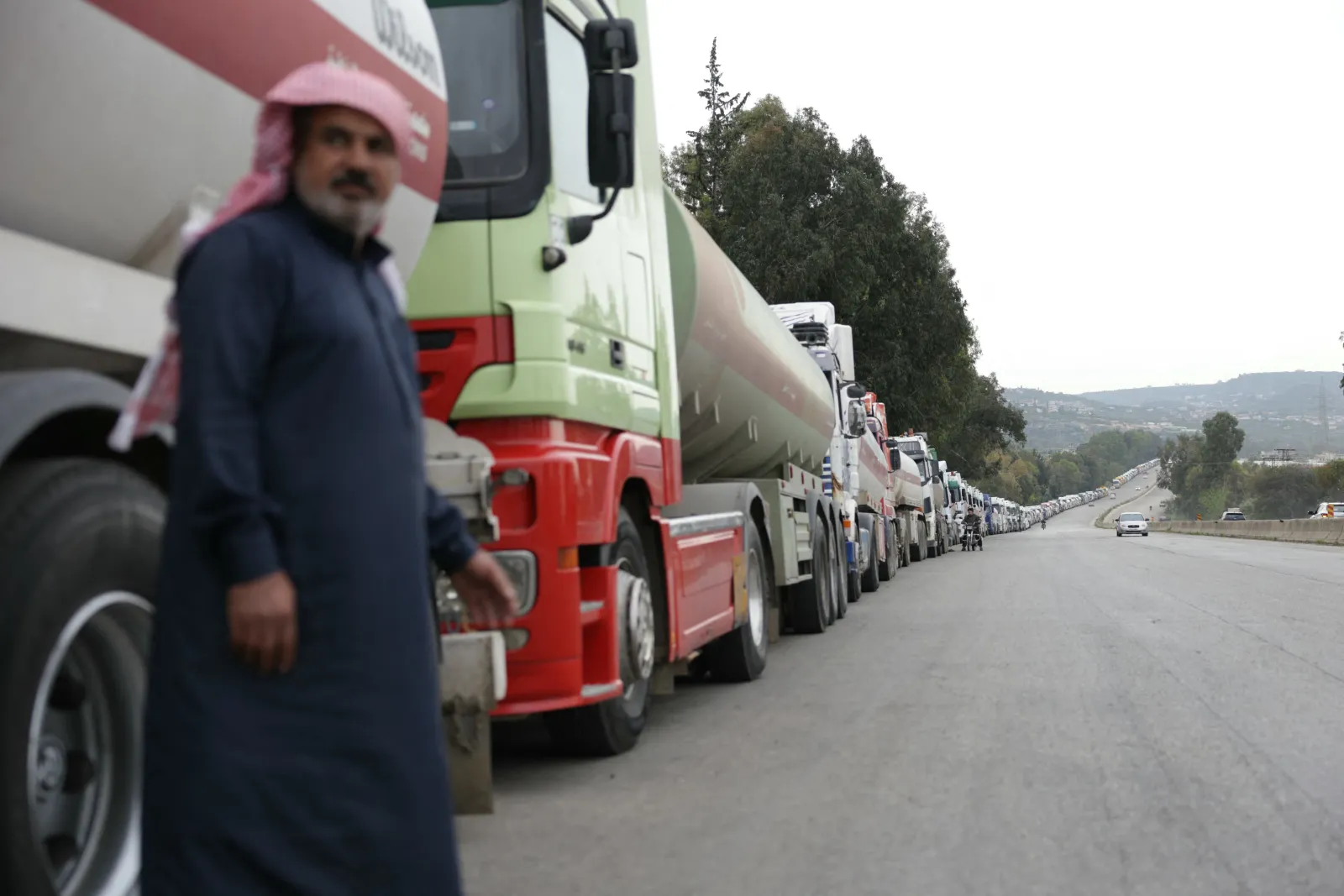
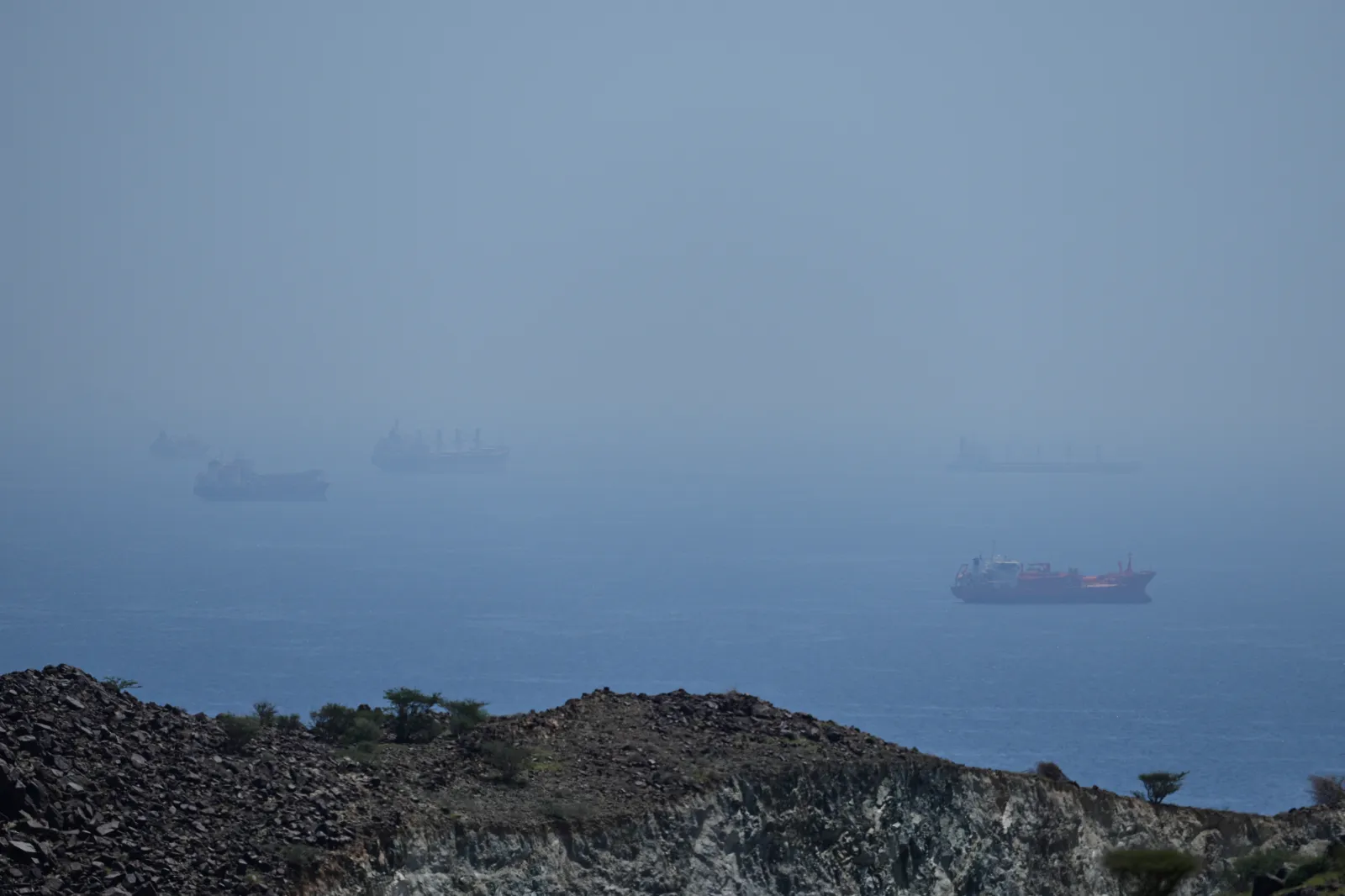
The fragile ceasefire expires Wednesday. Hundreds of vessels remain stranded at each end of the strait awaiting clearance.
Update 4/19/26, 7:54 p.m. ET: This article has been updated with additional information.
View 0 Comments
Submit Correction
View Editorial & AI Guidelines