...

By Suzanne Blake
Reporter
0
Share
Newsweek is a Trust Project member
See more of our trusted coverage when you search.Prefer Newsweek on Googleto see more of our trusted coverage when you search.
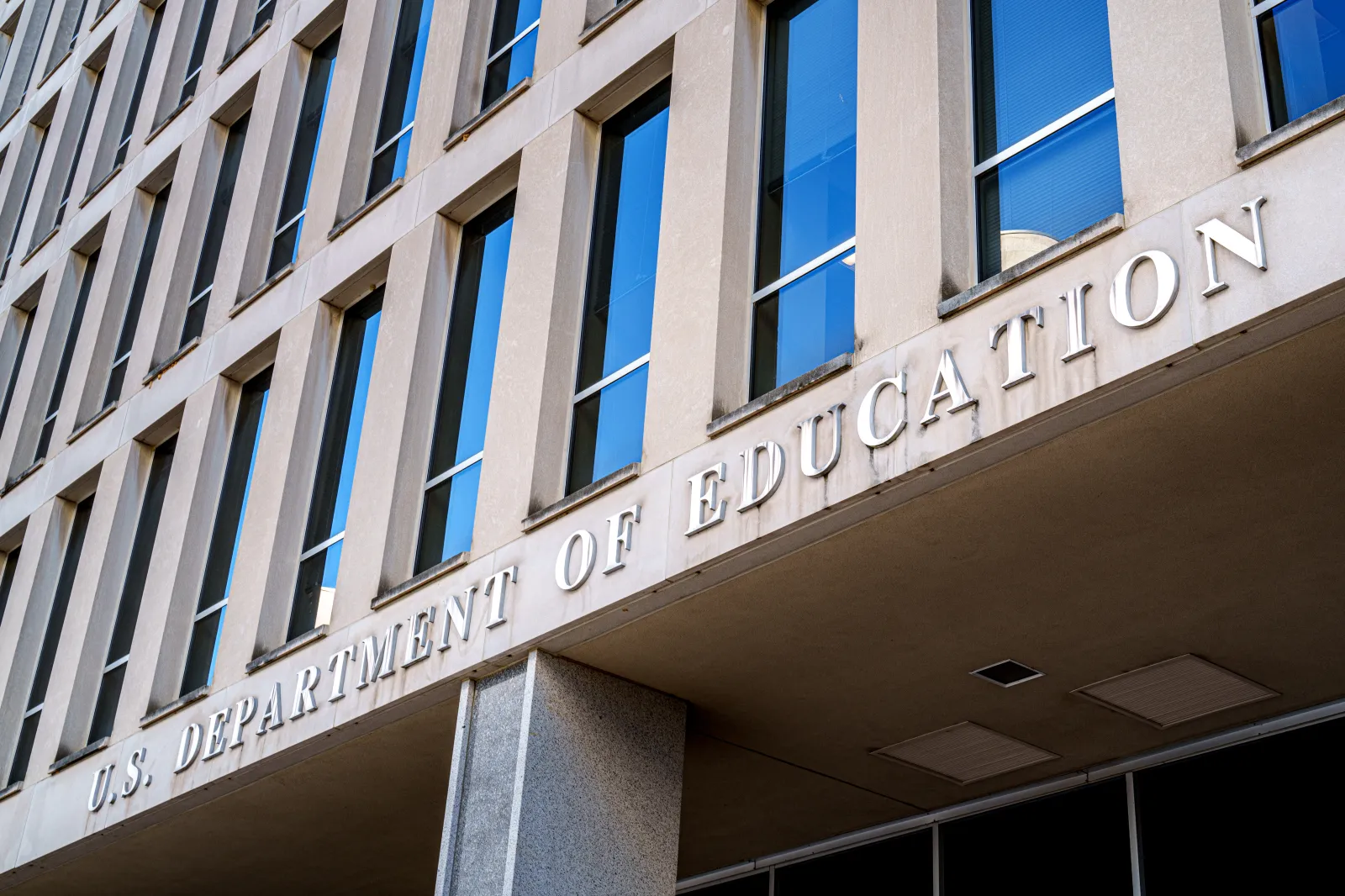
Under a new agreement to terminate the SAVE plan, the U.S. Department of Education (DOE) made major changes to the repayment plans available to borrowers after nearly two years of litigation.
The agreement also placed serious restrictions on the department’s future ability to pass student loan forgiveness for the next 10 years.
Why It Matters
The SAVE plan will be eliminated under the new agreement, limiting borrowers’ ability to get student loan forgiveness after 20 or 25 years of repayment.
Read More on Politics
However, future student loan forgiveness for the millions of borrowers across America could also be impacted by stipulations under the agreement.
...
What To Know
While still pending court approval, the DOE’s settlement agreement will abolish the SAVE plan, causing millions to likely face higher monthly payments. It also enacts restrictions on the department’s ability to allow broader student loan forgiveness in the future.
Specifically, the DOE will give special privileges to the state of Missouri to review and challenge forgiveness passed by the agency in the future.
“Any time that Defendants plan to or have reason to believe that they will cancel or forgive more than $10 billion in federal student loans within a one-month period, the Department of Education or its successors shall provide written notice to the Office of the Attorney General of Missouri at least 30 days before cancellation or forgiveness, identifying the basis for Defendants’ legal authority and how much they estimate will be forgiven or cancelled,” the settlement agreement reads.
“If Defendants do not provide written notice under the previous sentence, but actually did forgive more than $10 billion in federal student loans within a one-month period, the Department of Education or its successors shall provide written notice to the Office of the Attorney General of Missouri within 30 days after the end of such month. This provision will expire ten years after the date of this Settlement Agreement.”
This allows Missouri to preemptively challenge any student loan forgiveness action above a certain amount for the next 10 years, impacting administrations far beyond President Donald Trump’s.
What People Are Saying
Alex Beene, financial literacy instructor for the University of Tennessee at Martin, to Newsweek: “After the enactment of the SAVE program to provide smaller monthly payments for student loan borrowers and additional pathways to forgiveness, the state of Missouri challenged the program as an overstepping of the executive branch's power. With a settlement developing, perhaps the most surprising part of the legal development is the potential power Missouri could have moving forward in the student loan space.”
What Happens Next
Any future forgiveness initiatives would be reviewed by Missouri and face potential legal challenges before seeing the light of day, if the settlement agreement takes full effect.
“While this settlement won't last forever as it is set to expire after a 10-year period, it could essentially put an end of any meaningful student loan forgiveness talks for the next decade, regardless of which party holds power,” Beene said.
View 0 Comments
Submit Correction
View Editorial & AI Guidelines