10
Loading video...

By Suzanne Blake
Reporter
0
Share
Newsweek is a Trust Project member
See more of our trusted coverage when you search.Prefer Newsweek on Googleto see more of our trusted coverage when you search.
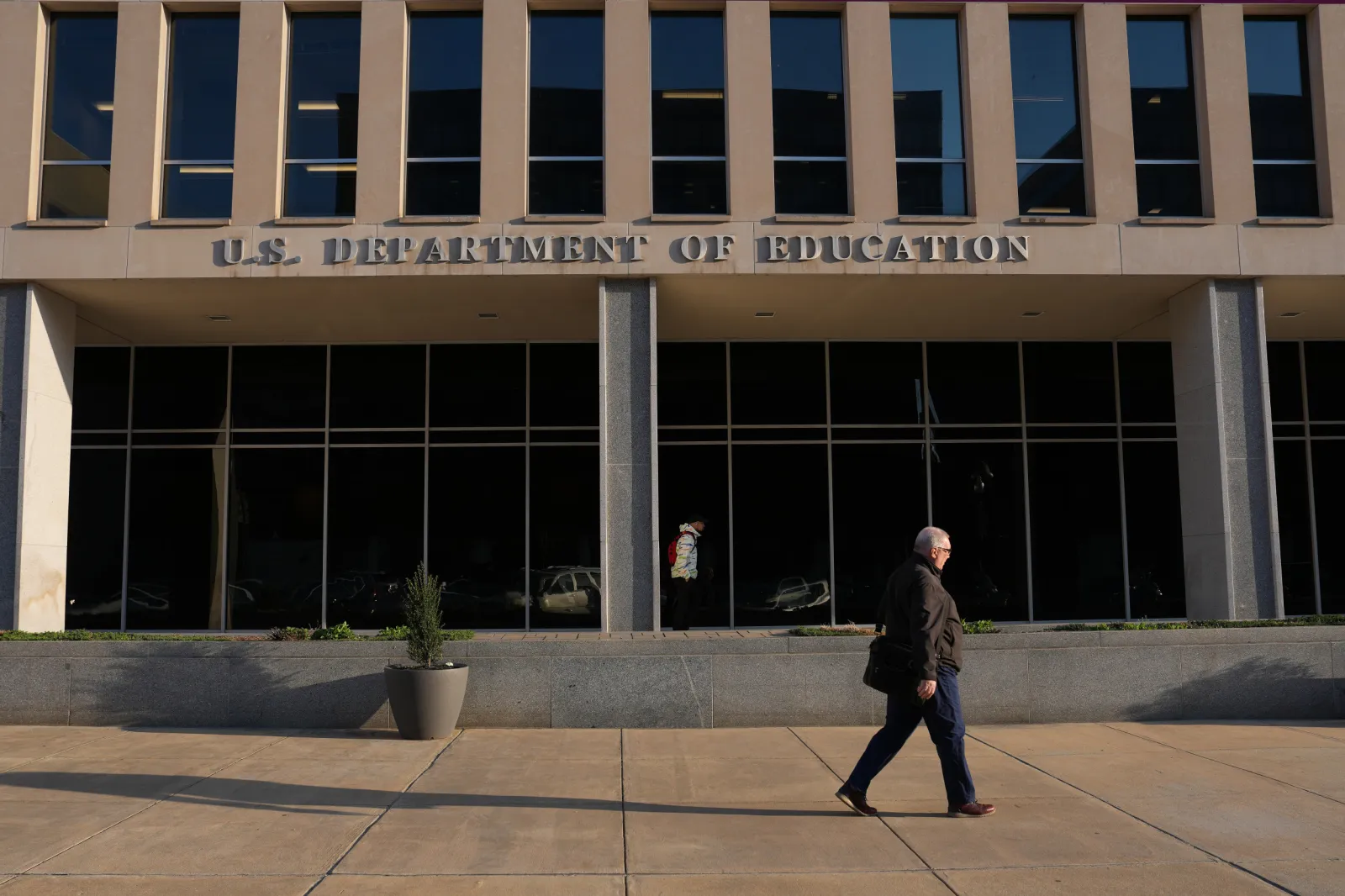
Millions of federal student loan borrowers face a renewed threat to their wages and tax refunds starting May 5, when the Department of Education (DOE) resumes debt collection on defaulted loans.
This marks the end of a yearslong pause that began at the onset of the COVID-19 pandemic.
The Treasury Offset Program will be reinstated, allowing the federal government to withhold tax refunds, Social Security payments and other federal benefits to recover unpaid student loans. Administrative wage garnishment will follow later this summer, with notices going out to affected borrowers beforehand.
Read More on U.S.
Why It Matters
Roughly 5.3 million federal student loan borrowers are currently in default, meaning they have gone more than nine months without making a payment, PBS reported. An additional 4 million borrowers are in late-stage delinquency, according to data from the DOE.
These figures suggest that nearly 10 million people could be subjected to debt collection actions over the coming months.
...
What To Know
Under the reinstated collections process, the Treasury Offset Program will automatically divert federal payments to cover defaulted student loans.
Additionally, the DOE will authorize administrative wage garnishment—the seizure of a portion of a borrower's paycheck—after giving a 30-day notice, reported the Associated Press.
Borrowers are considered delinquent after missing a single payment. If no payments are made for 270 days, the loan is considered in default, and the government may begin collection efforts including garnishment and litigation, according to attigo.com.
To avoid garnishment, borrowers can seek loan rehabilitation. This process allows them to get out of default by making nine consecutive, on-time monthly payments based on their income.
The DOE has also not processed any new applications for repayment plans such as Income-Based Repayment (IBR) or Pay As You Earn (PAYE) since August 2024. Processing is expected to resume next month, according to DOE officials.
The Biden administration had extended payment pauses several times after taking office, but the current leadership under Education Secretary Linda McMahon has ended that era.
What People Are Saying
McMahon said in a statement released Monday: "American taxpayers will no longer be forced to serve as collateral for irresponsible student loan policies."
Alex Beene, financial literacy instructor for the University of Tennessee at Martin, told Newsweek: "For many student loan borrowers, the past few years provided a plethora of forgiveness and payment plans to ease the repayment process. However, with a new administration comes new policy, and if you've defaulted on your loan balance by not making a payment in more than 360 days or in delinquency by not making a payment for the last 91 days, the crackdown on repayments is about to begin."
What Happens Next
Borrowers in default will begin receiving notices by email within two weeks and must take action quickly to avoid collection efforts. Wage garnishment notices will follow this summer.
"You need to start making plans immediately to begin making payments or you'll risk having your wages garnished later this year," Beene said. "It may not be the desired outcome for many, but it's the new reality for millions of borrowers."
McMahon has reiterated that broad student loan forgiveness is not in the cards.
"There will not be any mass loan forgiveness," said the department's announcement.
Instead, the administration aims to restore "commonsense and fairness" by ensuring borrowers fulfill their repayment obligations.
View 0 Comments
Submit Correction
View Editorial & AI Guidelines