10
Loading video...

By Lucy Notarantonio
Senior Reporter
0
Share
Newsweek is a Trust Project member
See more of our trusted coverage when you search.Prefer Newsweek on Googleto see more of our trusted coverage when you search.
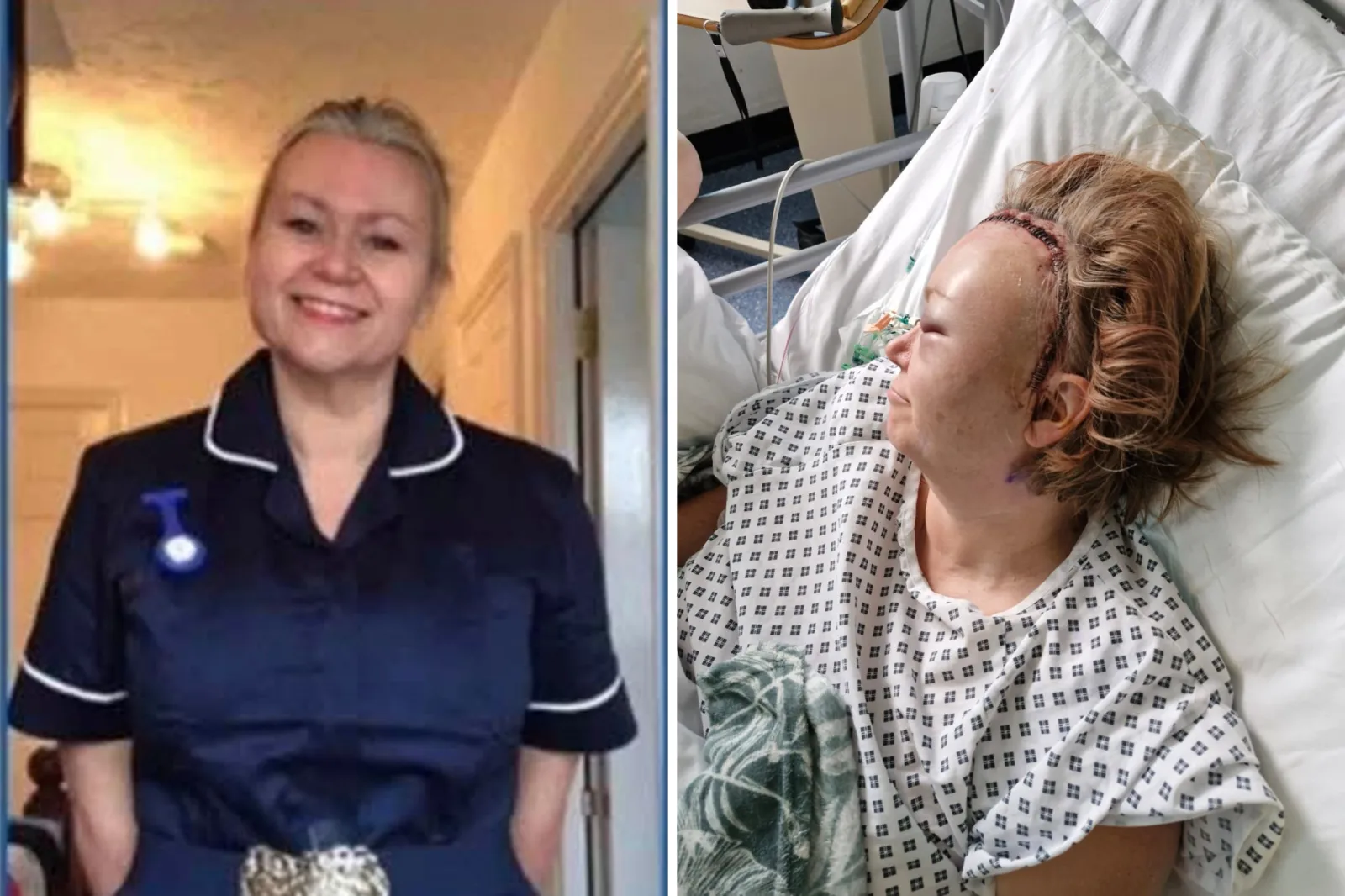
It started out as an ordinary day for Mandy Park, who went to work as a nurse before everything changed in seconds during a meeting.
On April 24, 2025, Park, then 48, began to feel faint. Initially, she thought her blood sugar had dipped as she didn't eat beforehand.
The mom of two from England told Newsweek. "I began to feel a little sick, but, while talking, I had what I can only describe as an out-of-body experience. I could hear my voice out of my head."
Read More on Life
Park said she now knows that the severe, sudden-onset headache she felt was the beginning of a ruptured brain aneurysm.
...
What Is a Brain Aneurysm?
The Brain Aneurysm Foundation (BAF) says that a brain aneurysm is a weak, bulging area in an artery in the brain, similar to a thin balloon or weak spot in a tire. Because the walls are fragile, the aneurysm can rupture, causing bleeding around the brain—a dangerous form of stroke known as a subarachnoid hemorrhage (SAH).
Brain aneurysms cause nearly 500,000 deaths worldwide each year, with about half of the victims under age 50. Women are also more likely than men to develop one.
‘I Suddenly Felt Faint’
Unruptured aneurysms usually show no symptoms, and Bark said she felt "absolutely fine" in the days leading up to the event.
"The week before was normal. I didn’t have any headaches at all," she added.
On the morning it happened, Park rushed to get ready for work and felt a little "hot and bothered" before the meeting began.
"I was fine and then I suddenly felt faint," she said, recalling how her health deteriorated within seconds. She remembers "sounding strange."
Park added: "I imagine that is when the bleed started. I felt a bit sick. I remember a pain; it was like someone came behind me and hit me on the head with a hammer. Then I fell off the chair and landed on my side. I was unconscious at this point."
'I Could Have Died’
...
Park feels grateful she was already in a hospital when the aneurysm burst.
"I could have died," she said. "If it was 30 minutes before, I was driving. I was so lucky to have it at the hospital as rapid care."
Park woke up about two hours later in the emergency department before being transferred to another hospital. When she regained consciousness 12 hours later, she was overwhelmed by back and neck pain.
"I didn’t know they were symptoms of the brain injury," she said.
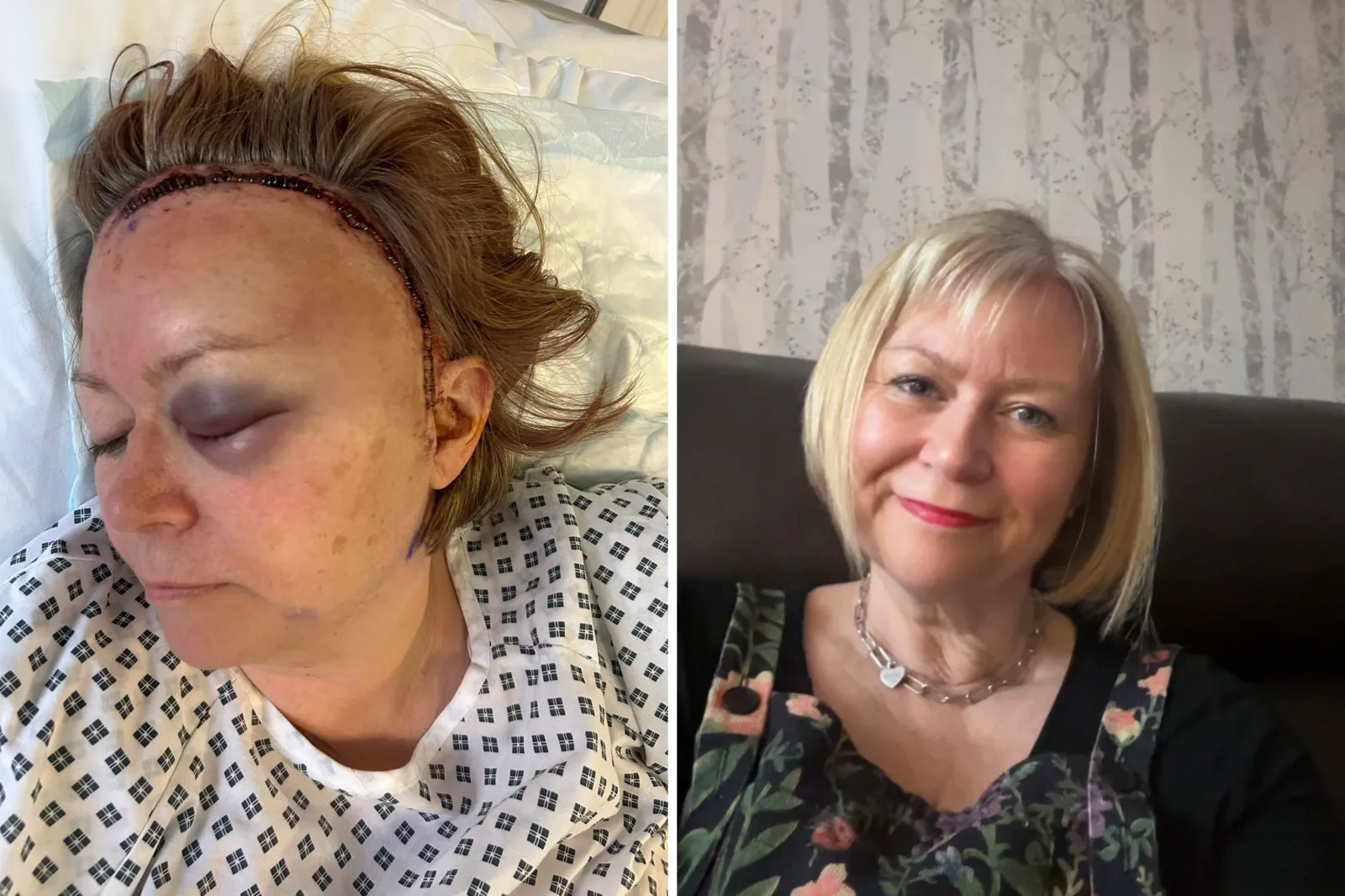
Doctors performed a five-hour surgery. "They cut my skull open and inserted clips, which are titanium devices to stop the blood flow," Park said. "They put 52 staples in my head, but it didn’t hurt at all. The pain was in my brain like a constant headache."
A Long Road to Recovery
Nine days later, Park was discharged, but recovery was only beginning. She spent weeks in bed with extreme fatigue and lost 21 pounds. Short-term memory loss made daily tasks difficult.
It took months before Park regained her confidence. She returned to work in September with a diagnosis of post-traumatic stress disorder (PTSD) and continues working with a therapist. She still hasn’t been able to return to the same hospital or put on her nurse’s uniform.
Now, Park uses TikTok (@livingwithabi8) to raise awareness about brain aneurysms and to help others understand the difference between a migraine and a life-threatening headache.
"The difference between a migraine and a thunder-clap headache is life or death," Park said. "You won’t die from a migraine, but a thunder-clap headache means you need emergency care."
View 0 Comments
Submit Correction
View Editorial & AI Guidelines