...

By Jasmine Laws
Reporter
0
Share
Newsweek is a Trust Project member
See more of our trusted coverage when you search.Prefer Newsweek on Googleto see more of our trusted coverage when you search.
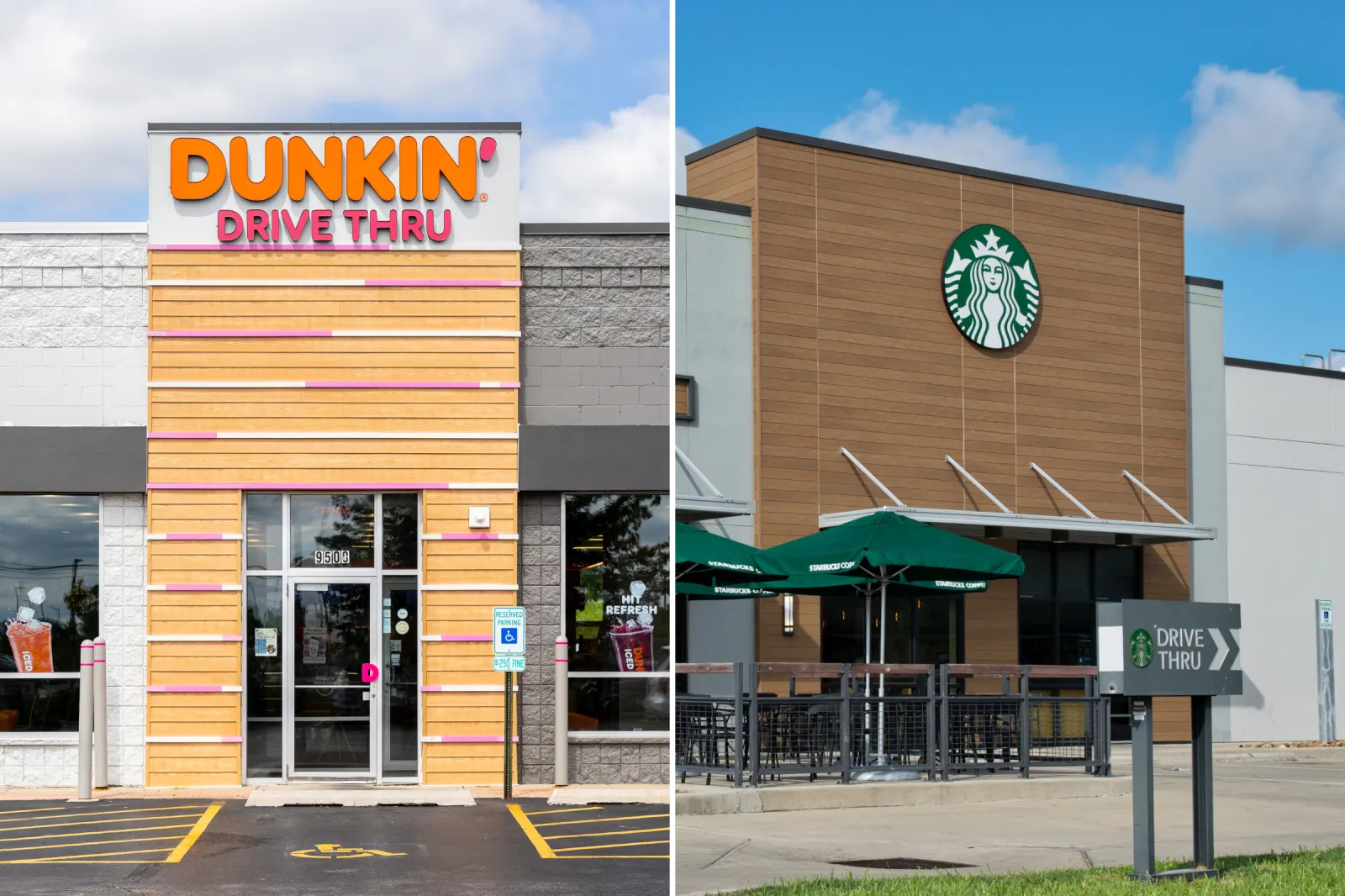
After Health and Human Services (HHS) Secretary Robert F. Kennedy Jr. said major food companies like Dunkin' Donuts and Starbucks will have to prove the safety of their ingredients, Newsweek has reviewed the sugar content of many of the chains' drinks.
At a rally at Brazos Hall in Austin last week, Kennedy said: "We’re going to ask Dunkin’ Donuts and Starbucks, ‘Show us the safety data that show that it’s okay for a teenage girl to drink an iced coffee with 115 grams of sugar in it.'" He added: "I don’t think they’re going to be able to do it."
Since the announcement, social media has been awash with comical backlash from Americans, even Massachusetts Governor Maura Healey.
Read More on Food & Drink
However, both chains do have beverages that are exceptionally high in sugar and calories, far exceeding the American Heart Association's recommended daily allowance of 36 grams of added sugar for men and 25 grams for women.
They are also among the most popular places for coffee in America, as Starbucks and Dunkin' Donuts make up the highest proportion of America's coffee shops.
Below are some of the sweetest beverages sold in each chain.
...
Dunkin' Donuts' Top Five Most Sugary Drinks:
- Frozen Coffee Butter Pecan Swirl (a large blended coffee with flavored sweet syrup and cream): 156 grams of sugar
- Frozen Coffee Caramel Swirl (a large blended coffee with a caramel flavor): 148 grams of sugar
- Frozen Chocolate Caramel Swirl (a large frozen hot chocolate with a caramel flavor): 148 grams of sugar
- Frozen Coffee Mocha Swirl (a large blended coffee with a mocha flavor): 148 grams of sugar
- Frozen Coffee French Vanilla Swirl (a large blended coffee with a vanilla flavor): 144 grams of sugar

...
Starbucks' Top Five Most Sugary Drinks:
- Caramel Ribbon Crunch Frappuccino (blended coffee with caramel and a crunchy topping): 80 grams of sugar
- Java Chip Frappuccino (blended coffee with mocha sauce and chocolate chips): 80 grams of sugar
- Mocha Cookie Crumble Frappuccino (blended mocha coffee with a cookie crumble topping): 76 grams of sugar
- White Chocolate Mocha (espresso with white chocolate sauce and whipped cream): 74 grams of sugar
- White Hot Chocolate (steamed milk with a white chocolate-flavored syrup): 69 grams of sugar
Starbucks and Dunkin’ drinks often contain different amounts of sugar outside the U.S. because global chains routinely adjust recipes to local rules and markets. Portion sizes are typically smaller in many countries, nutrition labeling standards differ, and sugar taxes in places such as the U.K. have pushed companies to reformulate to reduce sugar. Ingredient use also varies, with high‑fructose corn syrup common in the U.S. but far less prevalent in Europe, affecting sweetness levels. Companies also tailor products to local tastes, which tend to favor less-sweet beverages in parts of Europe and Canada, resulting in lower sugar counts even for similarly named drinks.
Newsweek emailed both companies requesting comment on the sugar levels in their drinks.
View 0 Comments
Submit Correction
View Editorial & AI Guidelines