...


By Dan Gooding and Gabe Whisnant
0
Share
Newsweek is a Trust Project member
See more of our trusted coverage when you search.Prefer Newsweek on Googleto see more of our trusted coverage when you search.
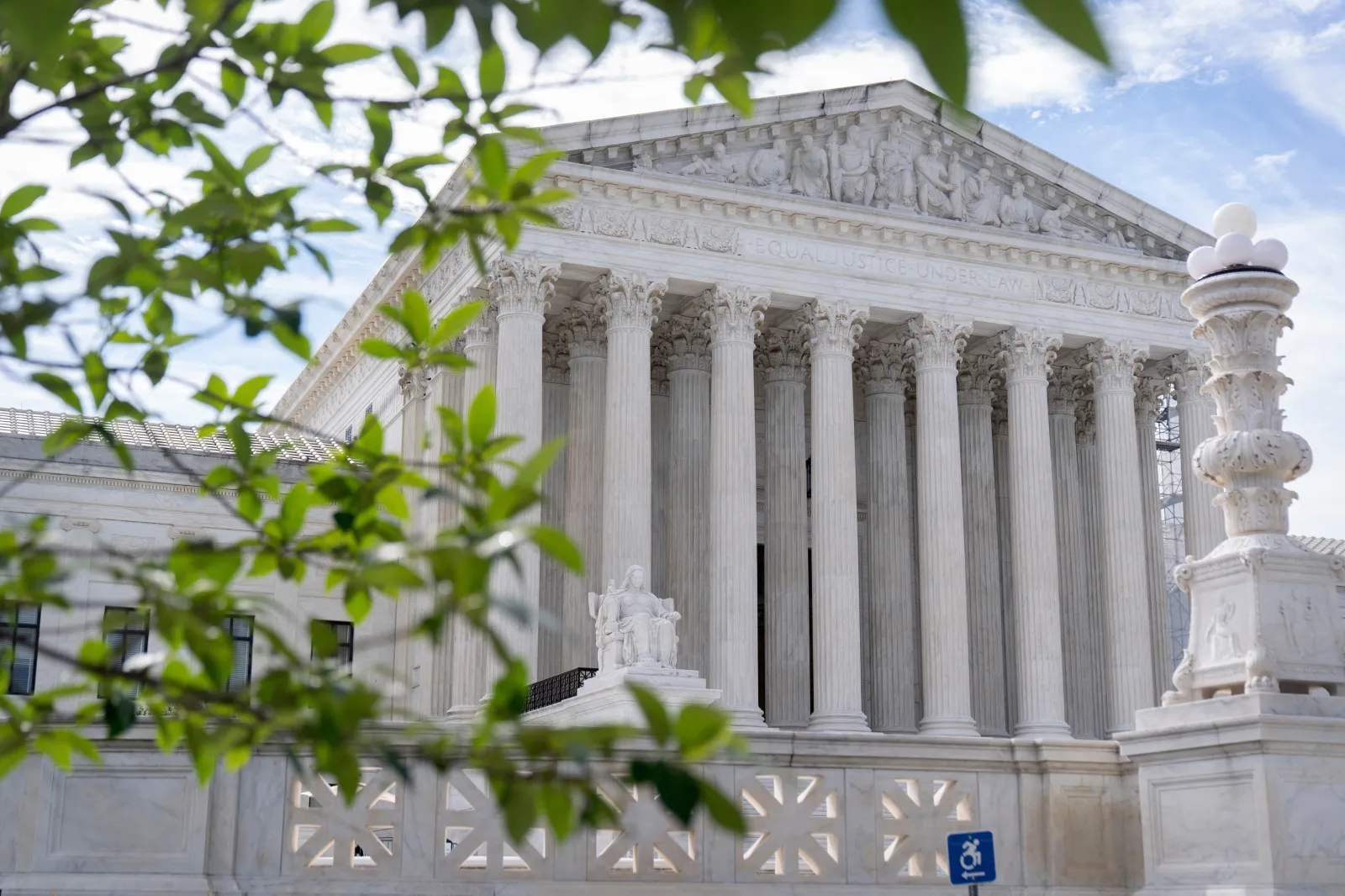
The U.S. Supreme Court on Monday declined to hear a challenge to a Texas county’s removal of 17 books from its public libraries, leaving in place a lower court ruling that allowed the purge.
The books targeted by officials span topics including sexuality, gender identity, racism and even juvenile humor.
Residents who sued argued the removals violated their First Amendment right to receive information, but the 5th U.S. Circuit Court of Appeals rejected that claim.
Read More on News
The Supreme Court’s decision means the ruling now applies across Texas, Louisiana and Mississippi.
A full list of the 17 removed books isn’t public because the complete court filings weren’t released, and reports name only select titles.
Newsweek reached out to Llano County Library System's director for comment via contact form and the ACLU of Texas via email Monday afternoon.
Why It Matters
Book bans have spread across the U.S. in recent years, largely driven by conservative groups concerned about messaging on LGBTQ+, race, and gender identity. The bans cut to the heart of the issue of free speech, and whether the voices of minorities are being restricted by removing books from the shelves, or those raising concerns are being ignored if the media remains available for purchase or loan.
...
Supreme Court Lets Texas Remove 17 Books: What To Know
The case began in Llano County, northwest of Austin, in 2021, when a group of residents asked the local library commissioner to remove 17 books from the shelves. The commissioner agreed and asked librarians to take the books away, prompting a lawsuit.
While a federal judge sided with those against the books' removal, the 5th Circuit Court of Appeals overturned that decision in May, telling plaintiffs that the First Amendment didn't allow them to invoke the right to receive information on the removal of library books.
The order affirmed that the curation of public library books is a form of government speech and that the county was simply making curation decisions.
Monday's decision by the U.S. Supreme Court affirmed that May's order remains in place and that the books will not be restored.
If the Supreme Court had agreed to hear the case, it would have been the first such case, covering book bans, to come before the justices since 1982.
Which Books Were Removed?
A full list of the 17 removed books isn’t public because the complete court filings weren’t released, and reports name only select titles.
Seven “butt and fart” books
- I Broke My Butt!
- Larry the Farting Leprechaun
- (Five additional similar juvenile humor titles)
Young adult books touching on sexuality and homosexuality
- Gabi, a Girl in Pieces
- (Three additional young adult titles in this category)
Books centered on gender identity and dysphoria
- Being Jazz: My Life as a (Transgender) Teen
- Freakboy
Books about the history of racism in the United States
- Caste: The Origins of Our Discontents
- They Called Themselves the K.K.K.: The Birth of an American Terrorist Group
Picture book
- In the Night Kitchen
Sex education book
- It’s Perfectly Normal: Changing Bodies, Growing Up, Sex and Sexual Health
What People Are Saying
Elly Brinkley, staff attorney for U.S. Free Expression Programs at PEN America, said in a press release: “The Llano decision has already been used to uphold the devastating wave of book bans across the country. Leaving the Fifth Circuit’s ruling in place erodes the most elemental principles of free speech and allows state and local governments to exert ideological control over the people with impunity. The government has no place telling people what they can and cannot read.”
Fifth Circuit Judge Stuart Kyle Duncan, in the May 2025 decision: "If a disappointed patron can't find a book in the library, he can order it online, buy it from a bookstore or borrow it from a friend. All Llano County has done here is what libraries have been doing for two centuries: decide which books they want in their collections."
What's Next
The Supreme Court decision marks the end of the road for this particular case, but there will likely be further challenges to decisions by local library systems and lawmakers to restrict access to certain books across the U.S.
View 0 Comments
Submit Correction
View Editorial & AI Guidelines