...

By Gabe Whisnant
News Editor
0
Share
Newsweek is a Trust Project member
See more of our trusted coverage when you search.Prefer Newsweek on Googleto see more of our trusted coverage when you search.
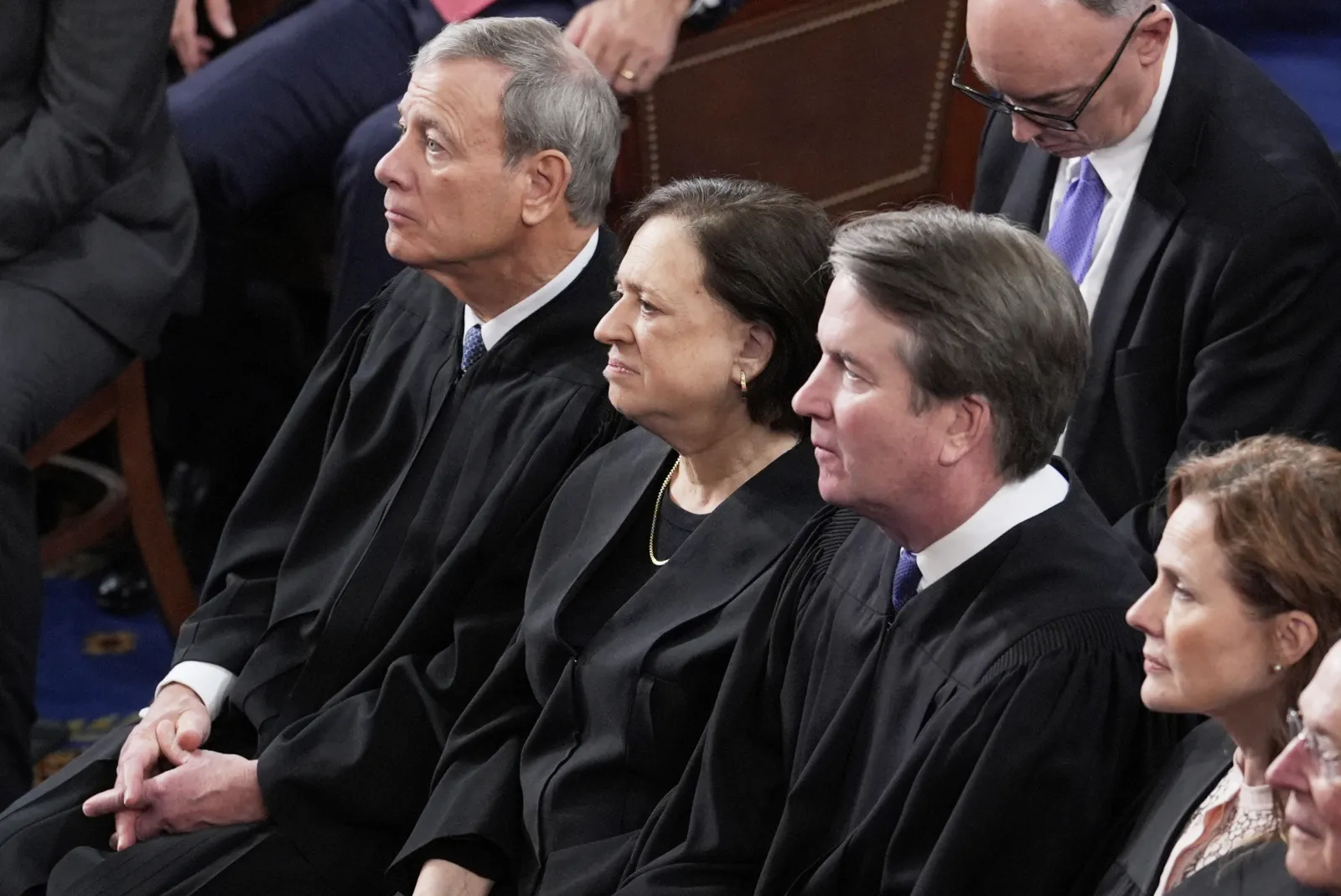
President Donald Trump's administration asked the Supreme Court on Friday to reinstate a policy requiring passports to list sex designations based on birth certificates, limiting applicants to male or female markers.
The Justice Department is appealing a lower-court order that blocked enforcement of the rule and allows transgender and nonbinary people to request passports with the gender that reflects their identity, including an "X" option.
The dispute is the latest in a series of emergency appeals by the Trump administration, which has frequently turned to the high court to defend policies affecting transgender Americans. The administration has already prevailed in litigation involving its ban on transgender people serving in the military.
Read More on Politics
...
Solicitor General D. John Sauer argued the government cannot be compelled to use designations it deems inaccurate on official documents. "The Constitution does not prohibit the government from defining sex in terms of an individual's biological classification," Sauer wrote.
What did Trump's Executive Order on Gender Say?
On Jan. 20, 2025, his first day back in office, Trump signed Executive Order 14168: "Defending Women from Gender Ideology Extremism and Restoring Biological Truth to the Federal Government." The order required passport applicants to use the gender listed on their original birth certificate, limiting them to "male" or "female" and barring alternative markers such as "X."
The State Department subsequently revised its passport rules to eliminate gender-marker flexibility. The move reversed earlier practices that gave some flexibility to transgender applicants.
Supporters said the order ensured consistency in federal records, while critics argued it discriminated against transgender and nonbinary people. Civil rights groups quickly filed lawsuits, saying the rule forced applicants to carry inaccurate documents and risked exposing them to harassment or denial of services.
Challenges to Trump's Transgender Order: What to Know
The change prompted a lawsuit from transgender and nonbinary people, who said the policy forced them to carry inaccurate documents and deterred many from applying at all. A federal judge blocked the order in June, and an appeals court allowed that ruling to remain in effect.
Among the plaintiffs is actor Hunter Schafer, who said in February her new passport was issued with a male gender marker despite her submitting documents showing she has long used female markers on both her driver's license and earlier passports.
Plaintiffs' attorneys argue the rules violate constitutional protections.
"This administration has taken escalating steps to limit transgender people's health care, speech, and other rights under the Constitution, and we are committed to defending those rights," said Jon Davidson, senior counsel at the ACLU's LGBTQ & HIV Project.
The Justice Department asked the Supreme Court to put the lower-court order on hold while the case proceeds. The appeal also cites the justices' recent ruling upholding a state ban on transition-related care for transgender minors, with the conservative majority finding the law did not constitute sex discrimination. Sauer said that reasoning supports the administration's stance on passports.
What Happens Next
The Supreme Court could act on the request within days.
Update: 9/19/25, 12:45 p.m. ET: This article was updated with new information.
Update: 9/19/25, 12:57 p.m. ET: This article was updated with new information.
Update: 9/19/25, 3 p.m. ET: This article was updated with new information.
This article includes reporting by the Associated Press.
View 0 Comments
Submit Correction
View Editorial & AI Guidelines