...

By Hugh Cameron
Reporter
0
Share
Newsweek is a Trust Project member
See more of our trusted coverage when you search.Prefer Newsweek on Googleto see more of our trusted coverage when you search.
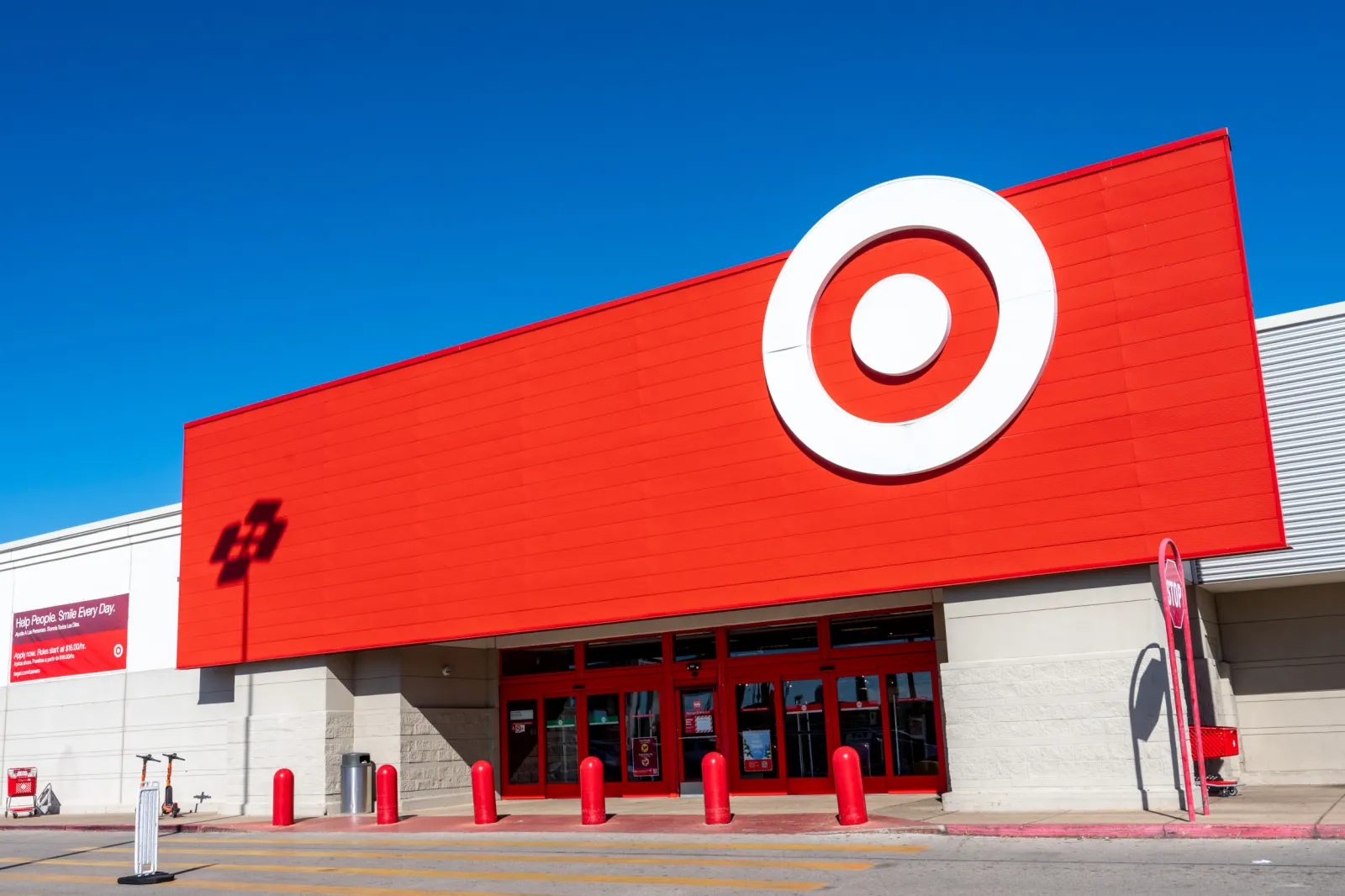
Retail giant Target is discontinuing its long-running price-matching program in an effort to streamline its pricing strategy amid mounting financial difficulties.
The company confirmed the change to Newsweek on Monday, adding that the majority of price matching is between Target's own stores and website, rather than with its competitors.
Why It Matters
It has been a challenging year for big-box retailers, with persistently low consumer confidence weighing on discretionary spending. The potential impact of tariffs on companies' bottom lines has also threatened to squeeze already slimming profit margins, prompting some to say they are considering raising prices to offset the added costs.
Read More on U.S.
...
What To Know
Under Target's current policy, the company will match the price of store-bought products if customers "then find the identical item for less at Target.com, Amazon, Walmart" or with the Target Circle loyalty program, allowing customers to make a request within 14 days of purchase.
As a result of the new policy, which takes effect on July 28, Target will only match prices within its own business—in-store versus online—mimicking the policy currently used by Walmart.
According to Neil Saunders, managing director and retail analyst at consulting and research firm GlobalData Retail, the change marks "a deterioration in customer service," but should not be treated as unique, given most of Target's main competitors have abandoned or scaled back their own price-matching policies, and "there is a sense that perhaps Target was being too generous."
"The policy change is being implemented to provide more financial certainty, to simplify processes, and to protect profit," he told Newsweek. "The latter is by far the most important factor. Target's profitability and margins have weakened over recent years, and if it wants to invest more in stores, then it needs to be more financially disciplined."
The extent of Target's financial troubles came to a head in May, when its first-quarter results revealed that net sales had declined nearly 3 percent year-over-year, and transactions across Target's stores and website had edged down 2.4 percent.
In a subsequent earnings call, CEO Brian Cornell called the current environment "exceptionally challenging," and outlined the struggles facing the retailer.
"For several years now, we've seen pressure in our discretionary businesses as spending adjusted down from elevated levels during the pandemic and then move further away in the face of historically high inflation and needs-based categories," Cornell said. "On top of those ongoing challenges, we faced several additional headwinds this quarter, including five consecutive months of declining consumer confidence, uncertainty regarding the impact of potential tariffs and the reaction to the updates we shared on belonging in January."
Cornell said that Target would consider price increases to mitigate any tariff impacts, but that these would be "the very last resort." As a result of the declining results and future uncertainties, Target also lowered its full-year guidance, now anticipating a low-single-digit decline in sales for the fiscal year, compared with a previous forecast of net sales growth of about one percent.
Saunders told Newsweek the decision to end price matching is the sort of financial "discipline" Target requires to get back on steady footing, "especially at a time when costs are rising because of tariffs." However, he called this "only one part of the puzzle," adding: "There is a lot more Target needs to do to bolster its bottom line."
Retail strategist and growth consultant Steve Dennis similarly told Newsweek that the move is a necessary decision, but one which won't save Target from more long-term woes.
"It's very hard to know what kind of financial boost this could mean, mainly because of Target's broader issues and hard to discern demand elasticity on the items they will be raising," he said. "Overall I doubt it will be significant, because of what appears to be weaker consumer demand and heightened focused on value."
What People Are Saying
Target, in a statement to Newsweek on the policy change, said: "We've found our guests overwhelmingly price match Target and not other retailers, which reflects the great value and trust in pricing consumers see across our assortment and deals.
"Starting July 28, we'll update our Price Match Guarantee policy to reflect this, allowing consumers to continue to shop with confidence at Target stores and Target.com."
Target CEO Brian Cornell, during an earnings call in May, said: "In the first quarter, our team and our business faced an exceptionally challenging environment that affected our performance with declines in both traffic and sales."
"The merchandising team has been working tirelessly to mitigate the impact of tariffs. And the difficulty level has been incredibly high," he added, "given the magnitude of the rates we're facing and a high degree of uncertainty on how these rates and impacted categories might evolve."
Neil Saunders of GlobalData Retail told Newsweek: "Unfortunately, Target has been firmly on the back foot over the past few years. Its sales growth has weakened and this has put pressure on the bottom line at a time when general costs have been rising. Target has also added a lot more complexity into the business, including fulfilling online orders from stores, which is very labor intensive. On top of all of this, the consumer has become more price sensitive and Target has had to work harder to compete on price with the likes of Walmart."
Update 7/21/25, 13:17 a.m. ET: This article was updated with comment from Target.
View 0 Comments
Submit Correction
View Editorial & AI Guidelines