...

By Aviva Klompas
Co-Founder of Boundless
0
Share
Newsweek is a Trust Project member
See more of our trusted coverage when you search.Prefer Newsweek on Googleto see more of our trusted coverage when you search.
The capture of Nicolás Maduro by U.S. forces this weekend was not merely a Venezuela story. It was a message to Tehran.
For years, American foreign policy has been defined less by enforcement than by signaling. Warnings were issued, deadlines announced, negotiations perpetually extended, and consequences endlessly deferred. President Trump appears determined to reverse that pattern.
The operation against Venezuela made one thing unmistakably clear: Trump expects to be taken seriously.
Read More on Opinion
That matters most for Iran, which has spent years betting that U.S. threats are rhetorical, reversible, or constrained by fear of escalation. That bet is beginning to look reckless.
The Maduro operation followed months of explicit warnings, mounting pressure, and targeted seizures. When those signals were ignored, Washington did not escalate symbolically. It escalated decisively. The lesson is not subtle: safe havens are conditional, distance offers no immunity, and time no longer favors defiance.
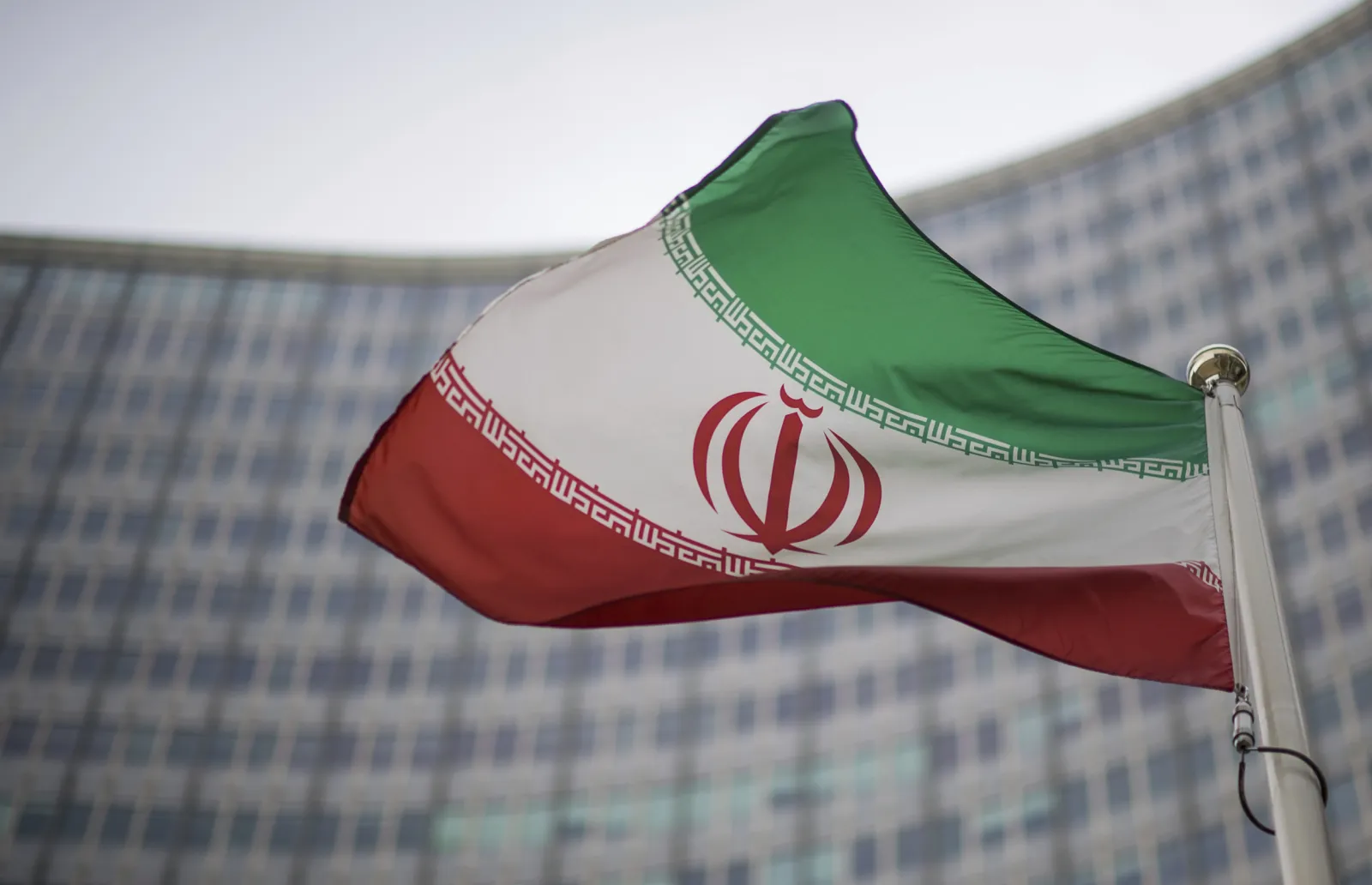
Iran’s leadership should be nervous. Tehran has long assumed it could test limits with relative impunity. It advanced its nuclear program, armed proxy militias, threatened U.S. forces, and destabilized the region without triggering a direct reckoning. That assumption rests on a familiar belief: that the United States ultimately prefers restraint to risk.
That era is over.
...
Not long after taking office, Trump publicly gave Iran a 60-day ultimatum to negotiate a nuclear deal. Tehran responded as it usually does with bluster and delay. On day 61, Israel struck and destroyed Iran’s nuclear facilities.
Iran discovered too late that Trump’s warnings were not theater. The destruction of key nuclear sites and the loss of airspace control shattered another core assumption: that Iran’s defenses were impenetrable and its escalation dominance intact.
Tehran’s image has long outpaced its reality.
For decades, the Islamic Republic cultivated the appearance of an unstoppable regional power. Missiles were paraded through Tehran. Nuclear facilities were buried beneath mountains. Revolutionary rhetoric projected inevitability. But beneath the spectacle lies a brittle state. Iran’s economy is in ruins. Its infrastructure barely functions. Energy shortages plague daily life. And its military credibility was badly damaged when Israel and the United States operated freely over Iranian skies.
This is the profile of a regime surviving on intimidation, mythology, and the West’s reluctance to call its bluff. Until now, that reluctance has been Iran’s greatest asset. Tehran was indulged even as it violated agreements, armed terrorist groups, and openly threatened American interests. The implicit bargain was stability through tolerance.
Trump’s approach is dismantling that illusion. He is treating Iran not as a peer adversary, but as what it increasingly resembles: a frail and aggressive regime whose leverage depends on others’ hesitation. The Maduro operation reinforces the point. If a leader long assumed untouchable can be removed overnight and flown to New York in handcuffs, the universe of “safe assumptions” has narrowed considerably.
Iran now faces a genuine strategic dilemma. Continued defiance carries rising risk. Escalation no longer guarantees Western restraint. And the old expectation that Washington will absorb provocations to avoid confrontation is no longer reliable.
For the first time in a long time, Tehran is being forced to reckon with the costs of miscalculation. Long-standing assumptions about deterrence, escalation, and American tolerance are being tested in real time. Iran must now decide whether to adjust its behavior or continue gambling that the United States will indulge its rogue conduct.
For decades, Iran has relied on the belief that history bends in its favor. This week was a reminder that history also turns, sometimes abruptly and sometimes violently, when illusions finally run out.
Aviva Klompas is CEO and cofounder of Boundless Israel, a nonprofit dedicated to fighting antisemitism*. She is also the host of the* Boundless Insights podcast.
The views expressed in this article are the writer's own.
View 0 Comments
Submit Correction
View Editorial & AI Guidelines