...

By Amanda Greenwood
Associate News Editor
0
Share
Newsweek is a Trust Project member
See more of our trusted coverage when you search.Prefer Newsweek on Googleto see more of our trusted coverage when you search.
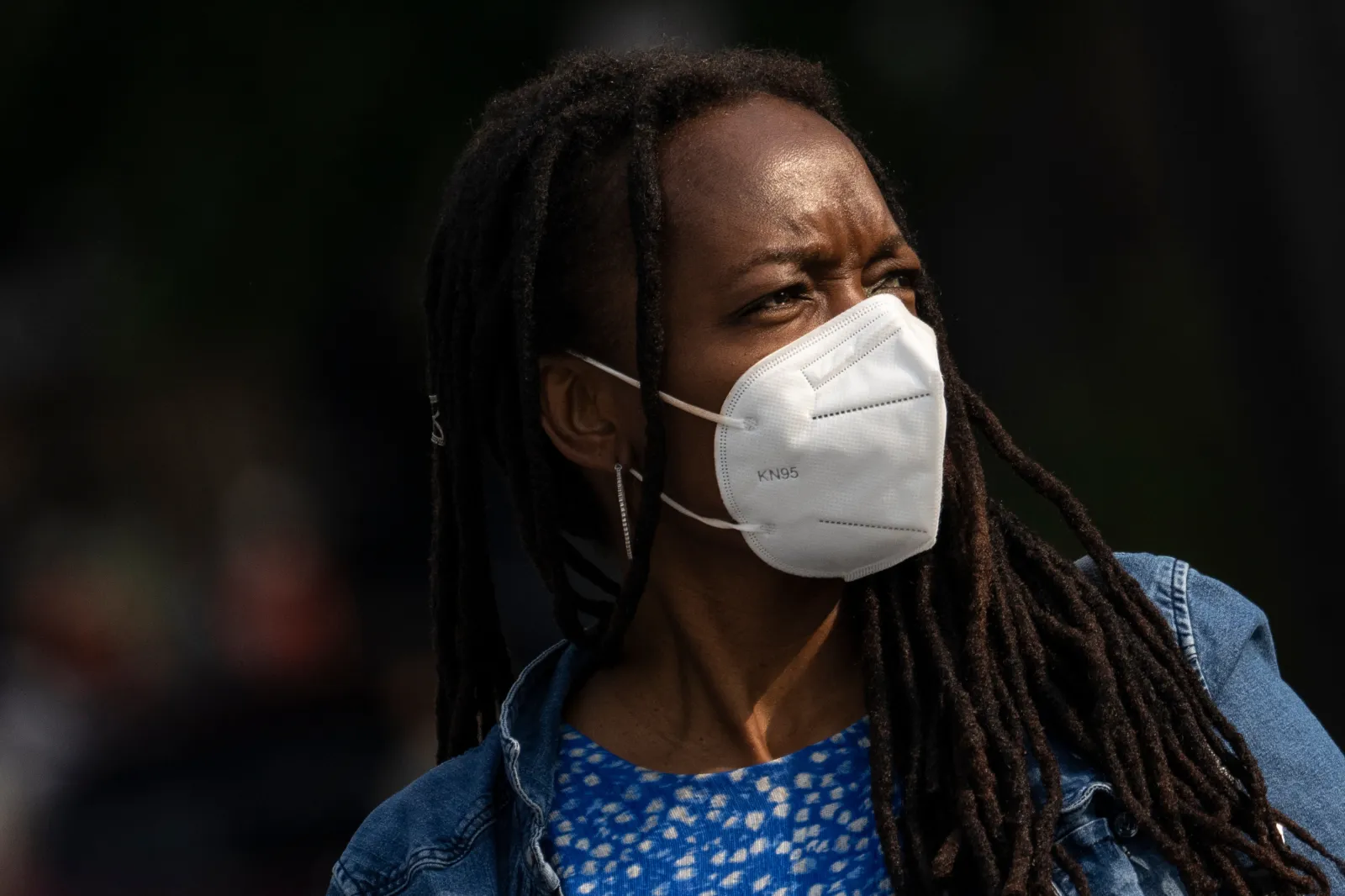
Thousands of residents in communities across parts of Alaska, Pennsylvania, and Alabama have been advised to stay indoors on Tuesday, February 10, as pockets of fine particle pollution (PM2.5) have reached "unhealthy" and "unhealthy for sensitive groups" levels, according to the Environmental Protection Agency (EPA) and National Weather Service (NWS) alerts.
...
Areas Affected By 'Unhealthy' Air Quality
According to the NWS alerts, Fairbanks city in Alaska, the Liberty/Clairton area—including Clairton, Glassport, Lincoln, Liberty, and Port Vue—and the Susquehanna Valley in Pennsylvania have been warned that the air quality is “unhealthy for sensitive groups,” which include the elderly, children, and those with existing heart or lung conditions, such as asthma.
Read More on News
A part of Alabama—including Decatur, Cullman, and areas along Interstate 65—has been issued an “unhealthy” air quality warning, reported by the EPA’s AirNow Map, which measures and communicates the air quality across America.
Advice For Those Affected By 'Unhealthy' Air Quality
People in areas of Alaska and Pennsylvania with air quality that is considered by the EPA to be “unhealthy for sensitive groups” have been advised to “make outdoor activities shorter and less intense.”
Those with asthma should keep their “quick relief medicine” with them, and those with heart disease should watch for symptoms—including heart palpitations or shortness of breath—and contact their health care provider, as this could be a sign of a more serious health issue.
Everyone in the affected area of Alabama, with air quality that has been classified as “unhealthy,” should take steps to reduce their exposure to the polluted air. They should either avoid or reduce the intensity and length of all outdoor activities—especially those in sensitive groups.
PM 2.5 Explained
PM2.5 are tiny particles of pollution that are 2.5 micro-meters or less in size and are considered to be one of the most dangerous forms of air pollution.
This is because the particles are so small they can be unknowingly inhaled, entering deep into the lungs and bloodstream, triggering or worsening existing health issues, or causing symptoms ranging from shortness of breath and chest tightness to eyes, throat, and nose irritation and coughing.
PM2.5 can come from a variety of sources, including emissions from vehicles or power and industrial plants, dust from unpaved roads or construction sites, or smoke from fires and smokestacks.
How The EPA Measures Air Quality
The EPA communicates air quality conditions across the United States using the Air Quality Index (AQI), which is a standardized scale that measures air pollution and assigns it to one of six health-related categories.
AQI Categories
- Good (Green), 0–50: Air quality is healthy, and pollution poses little or no risk.
- Moderate (Yellow), 51–100: Air quality is acceptable, but unusually sensitive people may experience effects.
- Unhealthy for Sensitive Groups (Orange), 101–150: Children, older adults, and people with heart or lung conditions may be affected.
- Unhealthy (Red), 151–200: Everyone may begin to experience health effects, and sensitive groups may experience more serious effects.
- Very Unhealthy (Purple), 201–300: Health alert—there is an increased risk of serious effects for everyone.
- Hazardous (Maroon), 301+: Health warning of emergency conditions, and the entire population is more likely to be affected.
View 0 Comments
Submit Correction
View Editorial & AI Guidelines