...

By Suzanne Blake
Reporter
0
Share
Newsweek is a Trust Project member
See more of our trusted coverage when you search.Prefer Newsweek on Googleto see more of our trusted coverage when you search.
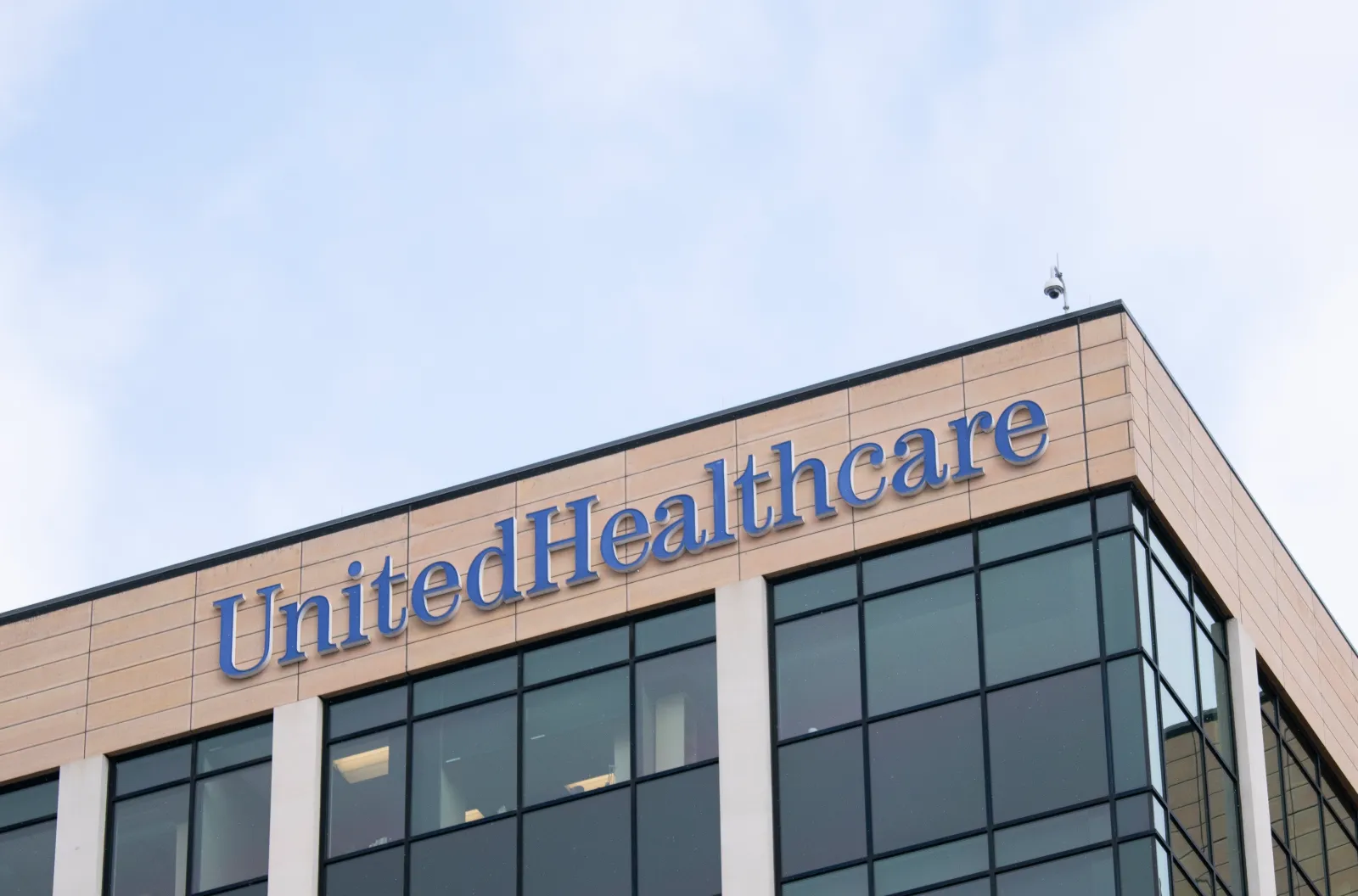
UnitedHealthcare may drop a major New York hospital system in just days if no resolution is reached by the end of the month.
UnitedHealthcare and NewYork-Presbyterian have roughly just two weeks to reach an agreement before NewYork-Presbyterian is no longer included as in-network for Medicare Advantage plan members.
Why It Matters
If NewYork-Presbyterian is dropped, dozens of hospitals and organizations are likely to be impacted. This could cause major coverage switch-ups for thousands of Medicare Advantage members.
Read More on U.S.
What To Know
Many Medicare Advantage plan members are anxiously awaiting to see whether NewYork-Presbyterian will be in-network with UnitedHealthcare in the new year.
“We notified members in October regarding the possibility NewYork-Presbyterian would be out of network for Medicare Advantage plans, effective Jan. 1, 2026,” a UnitedHealthcare spokesperson told Newsweek.
“Our goal is to reach an agreement that is affordable while maintaining continued network access to NYP. However, should NYP leave our network, we will work with our Medicare Advantage members to ensure they have access to the care they need through continuity of care or a smooth transition to another provider, as appropriate.”
The spokesperson said that people in active or ongoing treatment with an NYP provider at the time they go out of network may still be eligible to receive in–network benefits with that provider for 90 days after they leave the network. Otherwise, UnitedHealthcare members would have to use the larger network of hospitals and doctors in New York City and its surrounding areas.
...
The spokesperson also suggested UnitedHealthcare members call the number on their health plan ID card if they have questions about continuity of care or need assistance finding an alternative provider in their area.
"NewYork-Presbyterian and UnitedHealthcare are currently in active negotiations to extend our in-network coverage for patients with UnitedHealthcare commercial health insurance and UnitedHealthcare Medicaid insurance plans,” a spokesperson for NewYork-Presbyterian told Newsweek.
“We are hopeful that we will continue to engage in good faith negotiations to reach a fair resolution that puts patients first. UnitedHealthcare has however made the decision, and communicated their decision to patients, to exclude NewYork-Presbyterian from their Medicare Advantage network starting January 1, 2026. We are committed to continuing to provide our Medicare Advantage patients with in-network access to the trusted doctors and hospitals of their choice and are working to inform them about the other health plan options available."
Patients are impacted significantly when contracts expire, according to Chris Fong, the CEO of Smile Insurance and a Medicare specialist.
“It will cause them to either change all of the affected medical providers or try to change their insurance if they have a valid enrollment period,” Fong told Newsweek. “There is a possibility that it could be resolved by tomorrow, end of the year, two months from now, or never.”
Fong encouraged patients of NewYork-Presbyterian to evaluate their situation and decide if they need to change their insurance to match their medical providers, if possible, or find a different in-network provider. They could also try to wait out the contract negotiations.
“There is no one right choice,” Fong said. “The decision is about personal preference and comfortability.”
What People Are Saying
Kevin Thompson, the CEO of 9i Capital Group and the host of the 9innings podcast, told Newsweek: “This is exactly why I am often opposed to Medicare Advantage for many of my clients. Coverage under these plans can change quickly when contract negotiations break down. For many patients, this means being forced to find new doctors, restart care at different in-network facilities, or new approval processes—sometimes in the middle of treatment. That disruption is not patient-focused or care-centric. It is driven by economics.”
Chris Fong, CEO of Smile Insurance and a Medicare specialist, told Newsweek: “These contracting situations are common and happen all over the country. The contract negotiations are the medical providers attempting to receive more money for medical services provided while the insurance company, in this case United Healthcare, is trying to reduce the cost.”
Michael Ryan, a finance expert and the founder of MichaelRyanMoney.com, told Newsweek: “This is a hostage exchange where the hostages are patients. UHC & NewYork-Presbyterian are fighting over regional pricing power with spreadsheets, but it's seniors in Queens and Manhattan who'll pay with their stress. Forced to either bleed money on out-of-network bills or rebuild entire care teams mid treatment.”
“Both sides are playing brinkmanship theater right now ('we want a deal,' 'they've already left'). And yes, they might settle at the last minute under political pressure. But you can't plan on miracles. I don't think the real story is greedy hospital versus greedy insurer. In my opinion, it's a structural problem: consolidated markets where network negotiations have become leverage points, and patients have no leverage at all."
What Happens Next
Many patients could experience stress due to coverage changes or gaps in treatment and services, experts say.
“Medicare Advantage operates as a for-profit model, and when negotiations fail, patients are the ones caught in the middle,” Thompson said. “If no agreement is reached, patients may face out-of-network costs, higher expenses, or interruptions to ongoing care.”
View 0 Comments
Submit Correction
View Editorial & AI Guidelines