...

By Amanda Greenwood
Associate News Editor
0
Share
Newsweek is a Trust Project member
See more of our trusted coverage when you search.Prefer Newsweek on Googleto see more of our trusted coverage when you search.
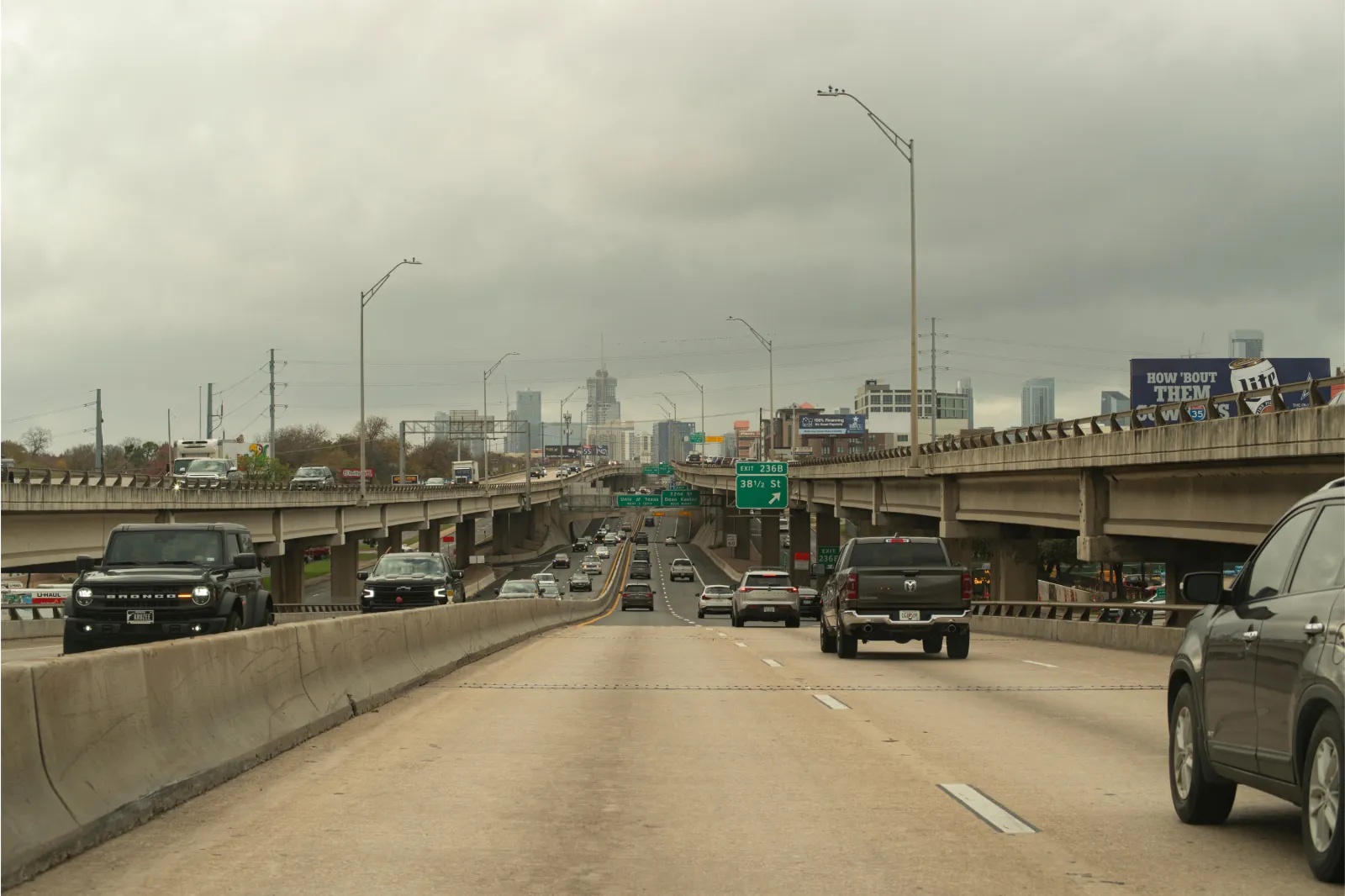
Air quality alerts have been issued across Texas, with environmental officials and the National Weather Service (NWS) urging residents to limit driving and avoid everyday habits like sitting in drive-thru lines, as atmospheric weather conditions drive dangerous pollution levels in major metro areas across the state.
Which Areas Are Affected by High Pollution in Texas?
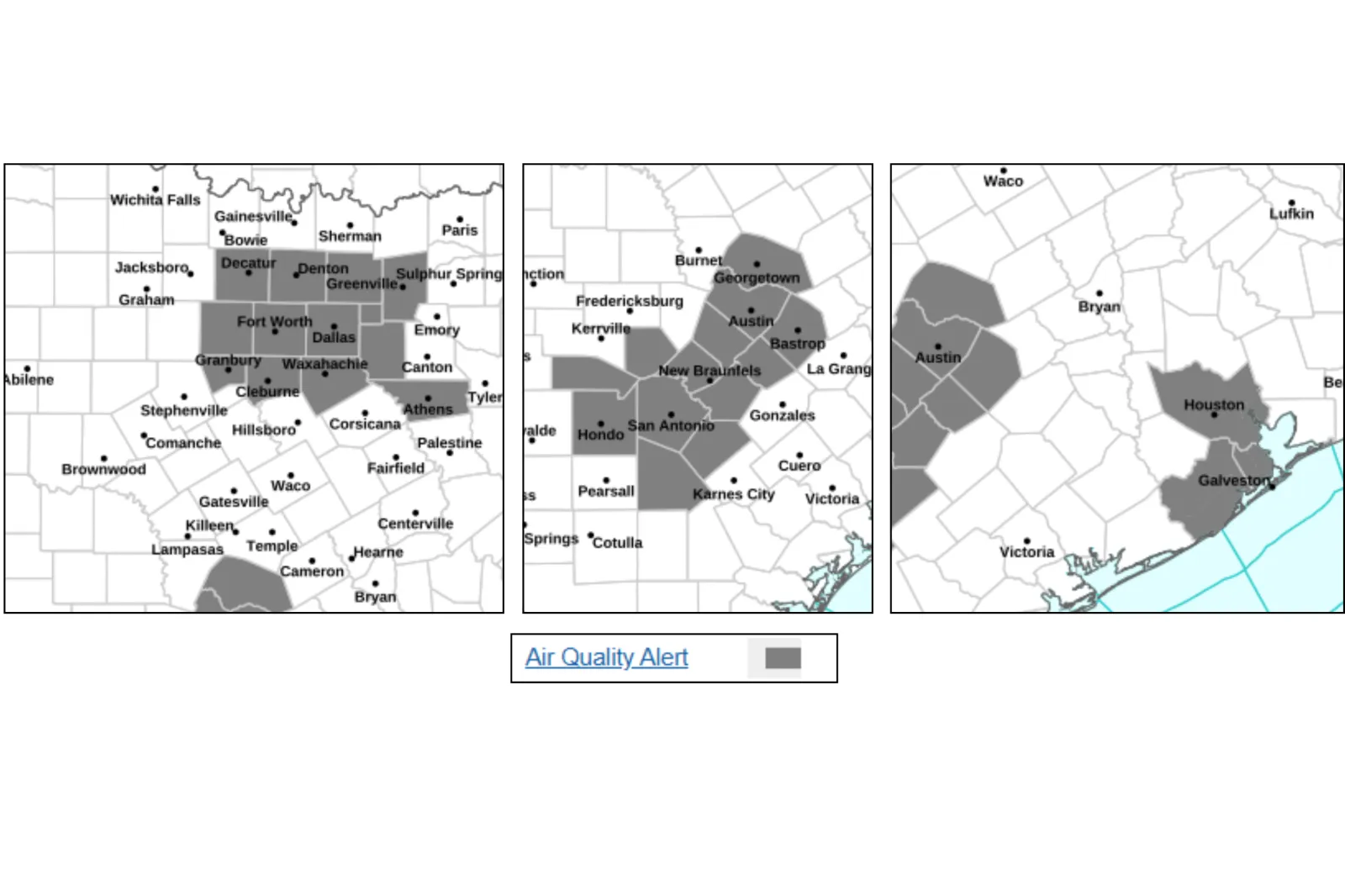
The Texas Commission on Environmental Quality (TCEQ) declared “Ozone Action Days” for Wednesday, May 13, 2026, affecting several of the state’s largest population centers, including the Dallas-Fort Worth and Houston-Galveston metro areas, along with Brazoria County, and the cities of San Antonio, Austin and El Paso.
Read More on News
...
What’s Causing Poor Air Quality?
In its air quality alerts, the NWS warned that weather conditions are “favorable” for producing high levels of ground ozone pollution, meaning residents could face poor air quality throughout Wednesday, particularly in the afternoon.
Ground-level ozone—often referred to as smog—forms when pollutants from vehicles, industrial activity, and other emissions react in sunlight under warm, stagnant conditions.
In this case, Texas is experiencing a combination of:
- High temperatures
- Intense sunlight
- Still air
This mix allows ozone to accumulate rather than disperse, particularly in urban corridors with heavy amounts of traffic.
Drive-thrus and idling vehicles play a surprisingly significant role.
When cars sit running, they release nitrogen oxides and volatile organic compounds (VOCs)—key ingredients in ozone formation. That’s why officials are specifically asking residents to avoid drive-thru lanes and reduce unnecessary car trips.
The Impact on Communities
Elevated ozone levels can have immediate health effects, especially for people in vulnerable groups such as older adults, children, and those with heart or lung conditions, such as asthma.
Common health impacts include:
- Shortness of breath
- Eye, nose, and throat irritation
- Coughing and chest tightness
- Worsening asthma symptoms
- Increased risk of hospital visits
Communities in major metro areas like Houston, Dallas, and Fort Worth are especially at risk due to high levels of traffic and industrial activity, which can intensify pollution during peak conditions.
What People Can Do to Protect Themselves
Officials are advising residents in the affected areas to take the following steps to reduce their exposure to the polluted air both outside and inside, including in their homes:
Outdoors
- Avoid strenuous activity, especially in the afternoon
- Limit time spent outside, especially if experiencing breathing difficulties
- Children and those with existing heart and lung conditions should take extra care
Indoors:
- Residents should try to keep their windows and doors closed during peak ozone hours – usually in the afternoon
- Where possible, use air conditioning or air filters and purifiers to keep clean air circulating (don’t use house fans or swamp coolers as they can pull polluted air inside)
Public health agencies routinely report that on high ozone days, more people experience breathing difficulties, which is why they run “Ozone Action Days.”
What Is an Ozone Action Day?
When an “Ozone Action Day” is declared, officials are not only warning about the potential impact on health, but they’re also asking the public to take simple steps to help reduce pollution.
Because ozone is created from everyday activities—especially driving—small changes that everyone can make could help limit how severe the pollution levels become.
How Residents Across Texas Can Improve Air Quality
The TCEQ, other regional agencies, and the NWS have emphasized that individual actions can collectively make a real difference in reducing the poor air quality across Texas.
These actions include:
- Sharing lifts, carpooling or using public transport instead making individual trips
- Walking or biking instead of driving short distances
- Avoiding drive-thrus and reducing engine idling
- Delaying use of gasoline-powered equipment like lawnmowers
- Conserving electricity, which reduces emissions from power plants
- Keeping vehicles well-maintained to minimize emissions
In some regions, officials encourage even small changes—such as bringing lunch from home instead of driving out to grab something—to cut down on midday emissions.
The Broader Context
Texas frequently faces ozone challenges during late spring and summer, when weather patterns align to create ideal conditions for smog formation. Large urban centers are particularly vulnerable due to a combination of vehicle traffic, industrial output, and heat-driven chemical reactions in the atmosphere.
Residents are being urged to take these air quality warnings seriously, and to do their bit to help the situation by adjusting their daily routines.
View 0 Comments
Submit Correction
View Editorial & AI Guidelines