10
Loading video...

By Hugh Cameron
Reporter
0
Share
Newsweek is a Trust Project member
See more of our trusted coverage when you search.Prefer Newsweek on Googleto see more of our trusted coverage when you search.
Thousands of applicants for temporary stay programs in the United States have been urged to read up on changes to the necessary documentation as immigration authorities update and impose hard cutoff dates on two key forms.
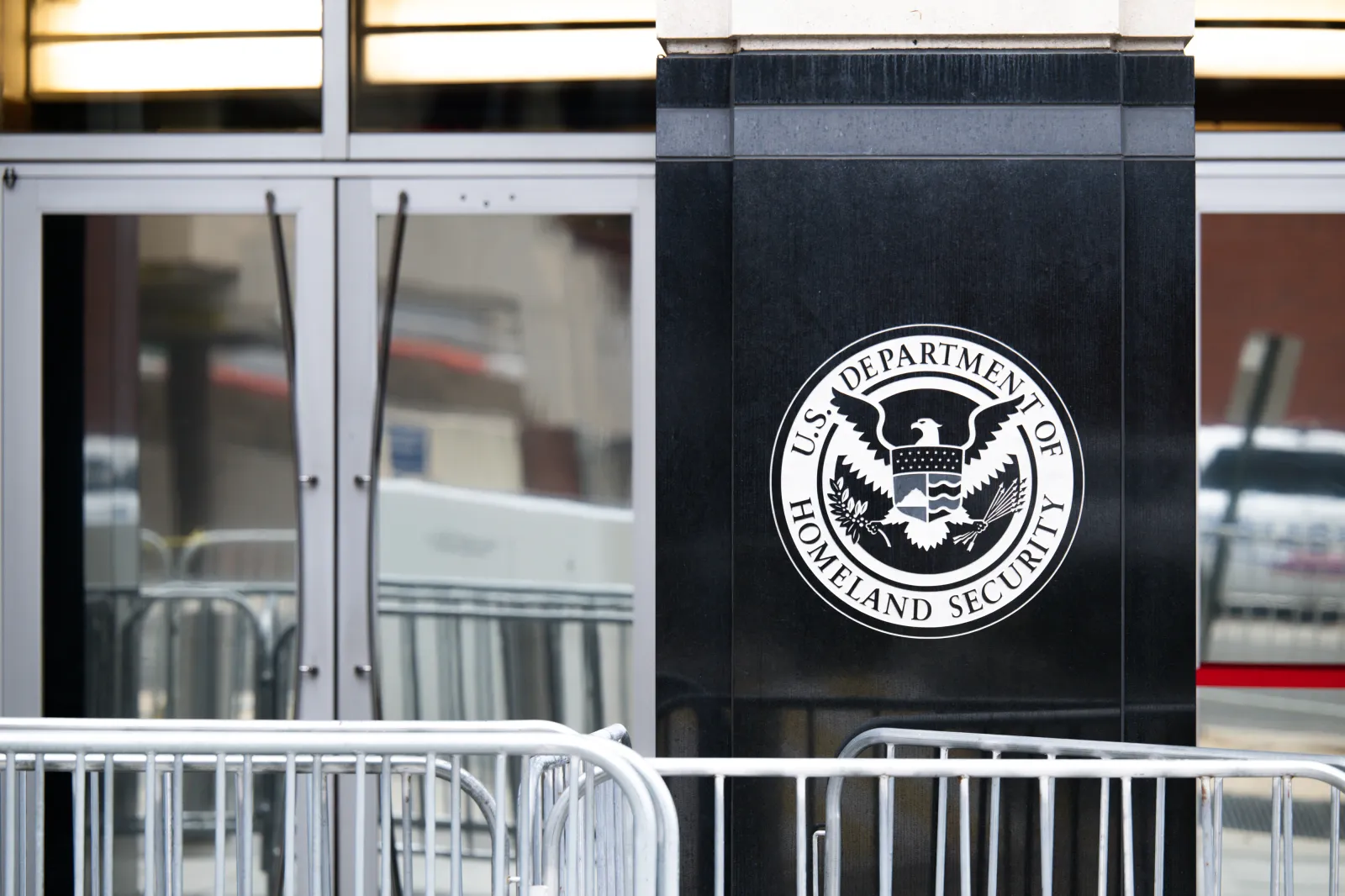
In an announcement issued on Friday, United States Citizenship and Immigration Services (USCIS) said it would be updating Forms I-539 and I-765 and rejecting older versions from September 15. The changes are linked to a broader Department of Homeland Security (DHS) rule replacing the previous, open-ended "duration of status" system to one where certain groups will receive a fixed admission period.
The changes apply to those seeking to extend a stay or a dependent status and change their visa category, as well as students, exchange visitors and foreign media representatives—those on the F-1, J-1 and I visa.
Read More on News
H-1B applicants or recipients will not be impacted directly, though may be secondarily thanks to family members and the student-to-worker pipeline. A significant share of H-1B recipients initially come to the U.S. as students, and their spouses are often in H-4 status—commonly filing I-539s and, in certain cases, I-765s.
Newsweek contacted USCIS via email outside of regular hours for comment and is awaiting a reply.
What Do the Changes Mean?
USCIS is changing two forms: Form I-539 and Form I-765.
The former is used to extend or alter nonimmigrant status—the type held by certain students, dependents and holders of other visas—while the latter assists in authorizing employment.
...
Beginning September 15, the agency said it will accept only new versions of these two forms, and reject any filing that uses the older version after this date.
There is typically a grace period when USCIS makes such an update—during which older and new versions are accepted—but the agency said this would not be the case in this instance.
USCIS has released preview copies so applicants can prepare, but has urged them not to submit the newer versions before these become official in mid-September.
Why Is it Doing This?
The changes are linked to new rule establishing a "fixed time period of admission" and new extension-of-stay processes for certain nonimmigrant categories, such as international students and representatives of foreign media.
For decades, many people entering on F, J or I visas were admitted under a system called "Duration of Status," and were able to remain in the country provided they continued complying with the terms of their respective program, rather than having a set expiration date.
The DHS has noted a "dramatic rise" in the number of those admitted to the U.S. under these programs since Duration of Status was introduced. Data cited in the final rule published in the Federal Register says that F-status admissions rose from around 260,000 in the 1980-81 academic year to over 1.8 million in fiscal year 2024, while J-status admissions rose to over 500,000 from 141,213.
Under the new rule, however, those coming to the U.S. will now have a specific admission period with an expiration date, and must seek formal extensions with immigration authorities if they need an extension.
DHS says the goal is to bring these visa categories more in line with many other nonimmigrant visas, improve oversight, and make it easier to evaluate whether individuals are maintaining lawful status, and has argued that the old system allowed insufficient federal oversight because students and exchange visitors could sometimes remain in status for long periods without direct interaction with immigration authorities.
Higher education institutions and immigration advocates have also raised concerns about the administrative burden and financial costs the new requirements could impose. They warn that students, exchange visitors and their families may face additional filing fees, paperwork and legal or administrative expenses, while universities and other institutions may need to devote more staff time and resources to helping affected international students and scholars navigate the extension-of-stay process.
Universities are also warning that the changes could have consequences beyond individual applicants. Erik Luijten, provost of Northwestern University, said in a July 2026 letter to university members that the policy would affect "not only international students and scholars but also the administrative support and academic operations of universities."
Contact Newsweek editors on this story: Matthew Robinson and James Debens
View 0 Comments
Submit Correction
View Editorial & AI Guidelines