...

By Lucy Notarantonio
Senior Reporter
0
Share
Newsweek is a Trust Project member
See more of our trusted coverage when you search.Prefer Newsweek on Googleto see more of our trusted coverage when you search.
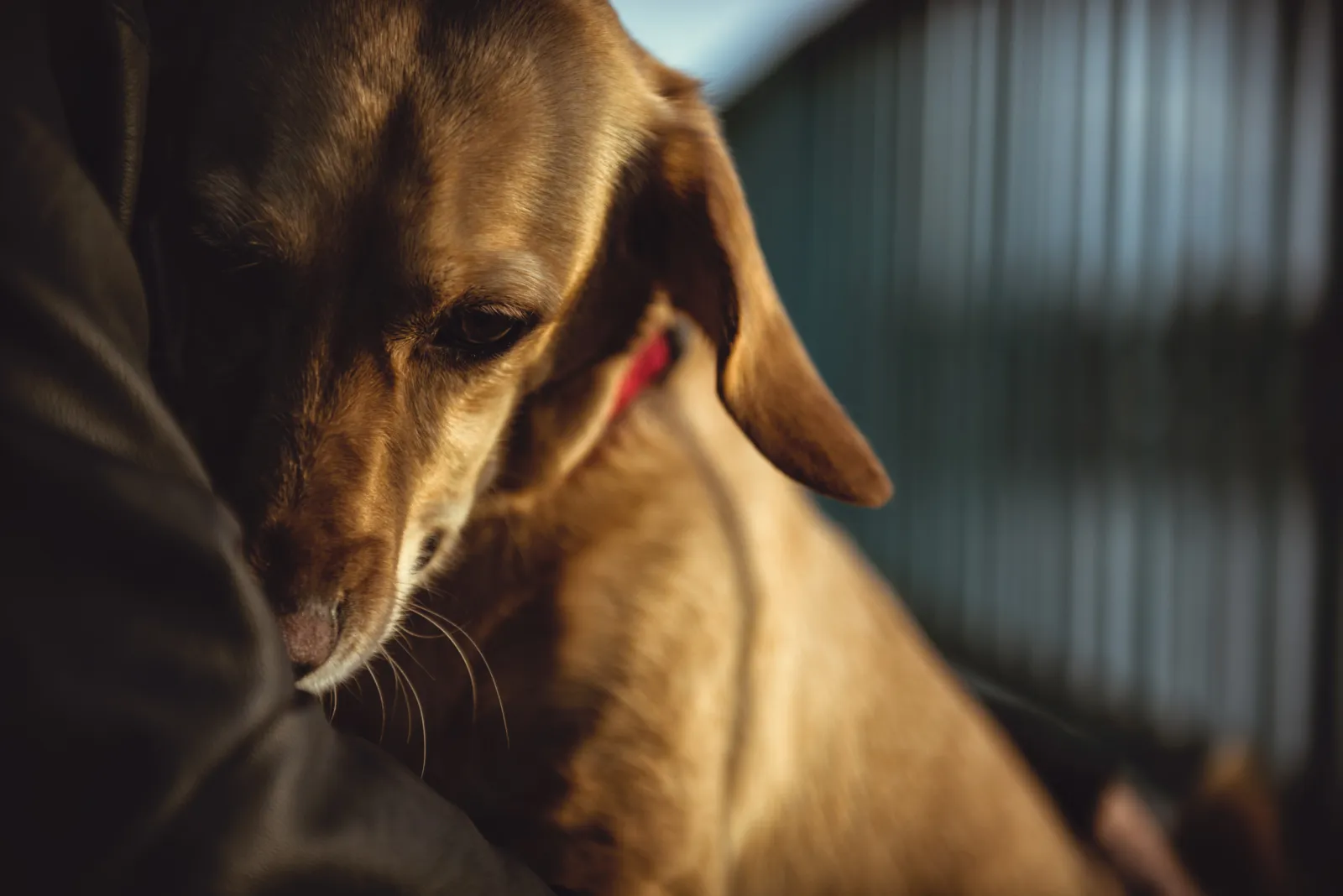
Many owners rely on dogs for emotional support, so it may be hard to believe that their bundles of joy can feel down too.
Newsweek spoke to two animal experts to find out what signs indicate depression in dogs and what owners can do to help them feel better again.
Dr. Anna Foreman, a veterinarian, told Newsweek: "Depression can follow on from the loss of a dog's owner, or an animal they are bonded to, being subjected to verbal or physical abuse, and a change in environment or circumstance, amongst many other situations. These phenomena can affect any dog. However, those with anxiety or who become easily stressed tend to be the most sensitive."
Read More on Pets
Signs of Depression in Dogs
...
- A lack of energy or motivation—not wanting to play or go on walks.
- A reduced or absent appetite—not wanting meals or treats, or only eating certain foods.
- Hiding away from their owner or other animals.
Like humans, dogs may show a lack of interest in something they once loved when they are down in the dumps.
Foreman, who is based in the U.K. and works for Everypaw Pet Insurance, said: "However, the clinical signs of depression such as appetite loss, lethargy and hiding away can be attributed to many types of illness, which could be missed if symptoms are put down to depression. If worried, always contact a vet."
What Causes Dog Depression?
It may be hard to pinpoint why your dog is no longer doing zoomies at bedtime or eating their food. Nebraska-based veterinarian Grant Little told Newsweek there are multiple reasons why a dog may become depressed.
Little, who works for JustAnswer, an online question-and-answer service, said there are many conditions that can lead to depression but the most frequent issues he sees on a daily basis are the following:
- Separation anxiety.
- Loss of a pack mate (i.e. a pet that died or left the home).
- Rehoming or a change of environment.
The death of a pet isn't the only thing that can leave a hole in a dog's heart: losing a much-loved human can have the same effect. Foreman said that "human company is very important to help them" when they are dealing with the loss of a person.
"However, due to the anxiety of being 'abandoned,' dogs may form a dysfunctional attachment to a new human quickly, which may lead to separation anxiety behaviors when not with this person," she said.
She added: "With grief, dogs who are particularly bonded to another animal, especially a dog, may need a 'friend' for company—whether this be inviting a friend/family member with a dog round, 'borrowing' a dog from a family or friend member for a length of time, fostering a dog looking for a new home, or adopting/buying another dog. It must be taken into consideration whether the owner is ready for a new dog or animal and where they are in the grieving process too."
Dogs that are subject to physical or verbal abuse are also likely to be left with mental health issues.
"It can be difficult for an animal to overcome, and animals may be left with behavioral problems afterwards. A dog needs to be dealt with slowly and carefully to rebuild their human bond," Foreman said.
"Depression caused by a change in environment and circumstance tends to be transient, and so patience is key."
How To Make Your Dog Feel Better

...
It isn't easy to understand how pets feel as they can't communicate verbally. But following this advice from the vets may improve your dog's mental health. Sometimes, a dog may simply need a distraction and time to adjust to a new situation but if the sadness has persisted for a long time, owners can try the following:
- Distract them.
- Borrow a loved one's dog for an agreed length of time.
- Invite friends or family members over with their dog.
- Foster a dog or adopt another dog.
- Medication.
Foreman said: "The best way to help their mood is to distract them with things they enjoy, whether this be toys, walks or food. 'Little and often' distraction and being patient with their mood is important, much like with a depressed human."
There is also a variety of anti-depression tablets available for dogs.
"In veterinary medicine, trazodone, gabapentin, fluoxetine (Prozac), and others are used frequently. Each veterinarian will prescribe these medications relative to the condition being treated or the time interval needed if they are appropriate for the situation. While they can have side effects as well, the benefits can outweigh the side effects if the depression is severe enough," Little said.
View 0 Comments
Submit Correction
View Editorial & AI Guidelines