...

By Steve Mollman
News Editor
0
Share
Newsweek is a Trust Project member
See more of our trusted coverage when you search.Prefer Newsweek on Googleto see more of our trusted coverage when you search.
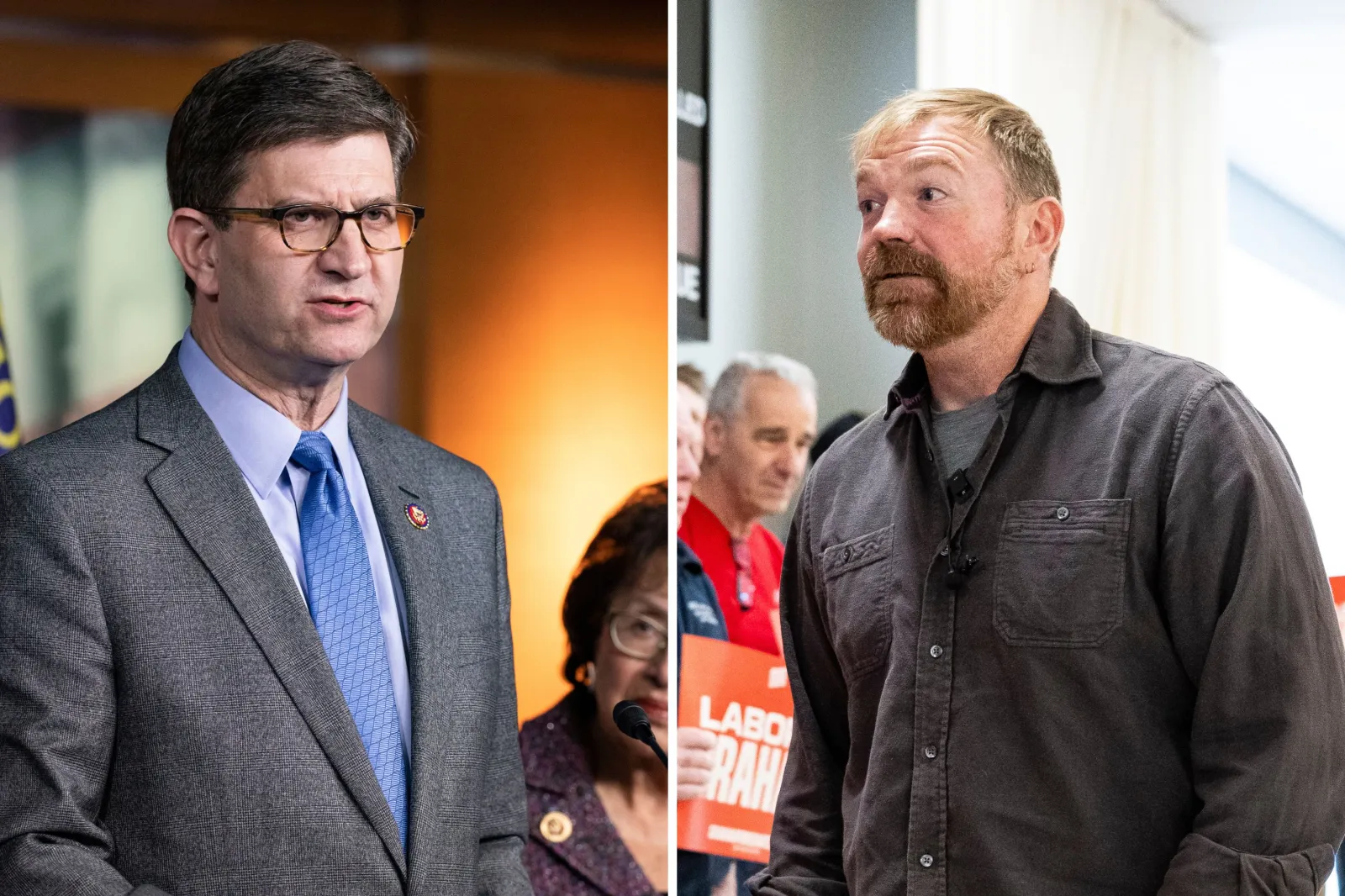
In an escalation of intra-party friction, Representative Brad Schneider criticized Maine Democratic Senate candidate Graham Platner, stating there is "no way" Platner was unaware of the Nazi symbolism attached to a tattoo he once had.
Schneider, a prominent Jewish lawmaker who chairs the New Democrat Coalition, stated that Platner should "own it and move on." Adding that he will not support Platner's candidacy, Schneider noted that the ultimate decision regarding the nomination should be left to Maine voters.
The congressman's remarks, first reported by Punchbowl News, underscore growing unease within the Democratic Party regarding Platner’s viability in a high-stakes race against Republican incumbent Senator Susan Collins—a contest widely viewed as critical to determining control of the U.S. Senate.
Read More on Politics
Newsweek reached out to Platner on Saturday morning.
...
The Totenkopf Controversy and Growing Skepticism
Platner, a Marine Corps veteran and political newcomer, has faced sustained scrutiny over a skull-and-crossbones tattoo resembling the Nazi-era Totenkopf, a symbol explicitly associated with Adolf Hitler’s SS paramilitary forces.
- Platner's Defense: Platner has maintained that he received the tattoo while on leave in Croatia in 2007 and was entirely unaware of its historical connotations at the time. He has since had the tattoo covered and expressed regret over the choice.
- Contradicting Testimony: Platner's timeline has been challenged by a recent report from The New York Times, in which multiple former partners alleged that he was well aware of the symbol's origins and routinely referred to it as "my Totenkopf." Platner has denied these allegations.
Schneider echoed the skepticism surrounding Platner's explanation, urging the Senate hopeful to directly acknowledge the issue rather than dispute the reporting. Schneider is not alone in his condemnation; Democrat Senator John Fetterman has also publicly criticized Platner, highlighting a broadening rift among lawmakers who fear the controversy will overshadow key policy debates.
Other Platner Controversies
The tattoo dispute is one of several issues that have dogged Platner’s campaign as his national profile has grown. Reports have drawn attention to allegations that he sent sexually explicit messages to various women during his marriage, as well as a history of controversial social media posts.
Additional scrutiny has come from a Times report in which Lyndsey Fifield, a conservative activist and former girlfriend of Platner, described aspects of his past behavior as volatile and inappropriate, allegations he has disputed.
Despite this, Platner continues to retain the backing of several prominent progressive figures, including Senators Bernie Sanders and Elizabeth Warren, highlighting a deep ideological divide within the party over how to handle his candidacy.
The Maine Primary and Beyond
Platner remains the frontrunner to win Maine’s Democratic primary on June 9, which will officially launch the general election matchup against Collins. Meanwhile, public polling indicates a highly competitive race; a recent survey conducted by a Trump-aligned polling firm showed Platner and Collins locked in a statistical dead heat.
Under Maine law, a candidate nominated in a primary can withdraw by 5 p.m. on the second Monday in July—July 13 this year—allowing their party to name a replacement by 5 p.m. on the fourth Monday in July, or July 27. Outside that window, a nominee can be replaced only in limited circumstances such as death or a catastrophic illness that permanently incapacitates the candidate.
Platner has given no indication that he intends to exit the race. If he secures the nomination, the tattoo controversy and surrounding allegations are poised to remain central vulnerabilities, leveraged by internal detractors and Republican opponents through November.
View 0 Comments
Submit Correction
View Editorial & AI Guidelines