
Getty Images


By David Averre and Anna Rahmanan
0
Share
Newsweek is a Trust Project member
See more of our trusted coverage when you search.Prefer Newsweek on Googleto see more of our trusted coverage when you search.
If you live in any sizable American city, you’ve probably noticed a strange kind of person wandering the streets as of late.
They seem to have developed a twitch, often shrugging or clawing at one shoulder, and emit a gentle yet infuriating clanging sound as they walk by.
No, they’re not some kind of zombie or malfunctioning android. It’s just your run-of-the-mill middle-class American, trying desperately to prevent a mini tote bag from falling off their arm while sipping from an overpriced water bottle.
Read More on Analysis
Are people losing their minds? Potentially, yes.
But, maybe this is just what happens when a generation of people raised to be consumers in the global center of capitalism finds that their paychecks can no longer buy them the lifestyle their adolescent selves were sold in TV commercials.
The Tote
Imagine walking into Trader Joe’s for a typical grocery run.
As you amble through the aisles, you’re surprised by the lack of people. "I’ll be out of here in no time!" you think to yourself.
Then you round the final corner, only to find a checkout counter overrun by a crowd of people, jostling for position and craning their necks like concertgoers looking for merch.
That’s when you realize that you have stumbled upon a mini tote drop. Your humble quest for dinner has been hijacked by drones trying to get their hands on a scrap of branded canvas.
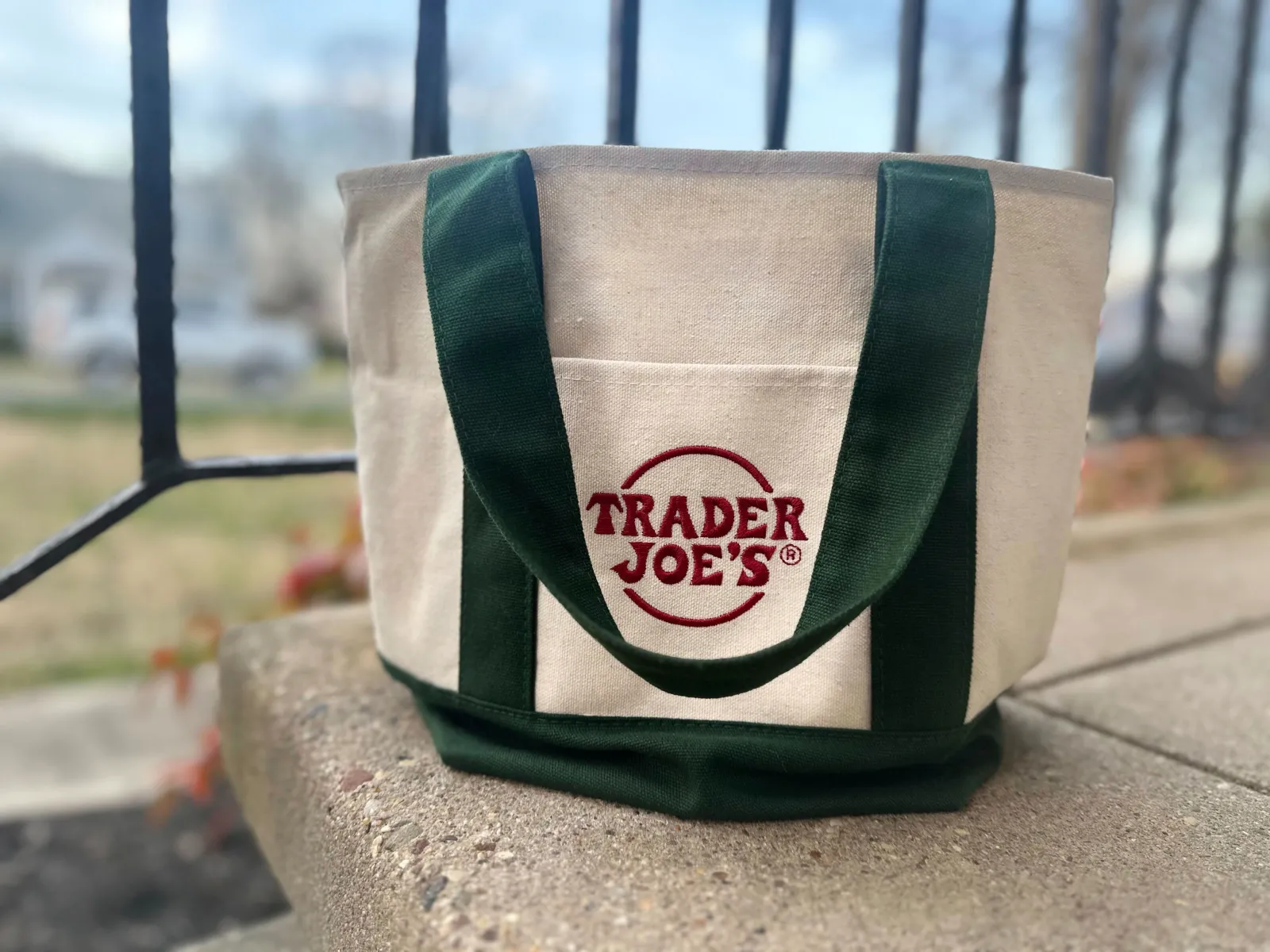
...
Is it absurd? Absolutely. In the era of Amazon Prime delivery and Target, mini tote bags are about as cheap and accessible as a roll of toilet paper. They should also be used for a similar purpose, given that they’re too small to carry anything you wouldn’t already keep in a handbag or pocket, and slip off your shoulder every five seconds unless held in a death grip.
So why are people scrambling for Trader Joe’s totes like maniacs? Because, somehow, that flimsy bit of fabric has become a status symbol and a signal of taste in an economy where bigger trophies feel either unreachable or embarrassing.
Trader Joe’s seems to have stumbled on the formula by accident. When its $2.99 mini canvas tote first went viral in 2024, resale listings ranged from about $20 for one bag to as much as $999 for a set of four in more extreme cases. They learned their lesson pretty quickly, though, and deployed one of the oldest tricks in the marketer’s playbook: manufactured scarcity.
“The bags sold more quickly than we anticipated”, they said. Then they sat back and welcomed the armies of tote-crazed crusaders flooding into stores nationwide.
Trader Joe's direct competitor, Whole Foods, is following suit.
This week, the company joined forces with Fishwife to launch its first bit of co-branded merch. The micro version is pitched as just big enough to hold a can of sardines.
In other words, pointless. Or is it? How else can you signal to the world you’re a supporter of woman-founded businesses and enjoy ethically sourced, premium, and delicious tinned seafood?
The drop ties grocery shopping to a new trend called “Kitchen Couture”—food brands are now a style statement. That phrase sounds silly because it is silly. But this is America, where silliness equals dollars.
Related Story

How the Data Center Next Door Can Pay Your Bills
The Cup
Tote bag mania might be sweeping the nation, but it’s a relatively new epidemic. Water bottle fever has been around for decades.
If you’ve reached a half-century on this earth, dear reader, you may remember the rise of Nalgene bottles. They were first popularized by outdoorsy folk who appreciated a secure and well-designed flask for hiking, but by the 1990s, lost-and-found bins on college campuses were overflowing with the 32-ounce canteens.
As the 21st century got going, other brands and bottles came and went—the Camelbak Eddy and the Nike Sport "safecap" were in for a while, but drifted away. Then COVID happened, and it seemed people discovered—almost overnight—an insatiable hankering for gigantic metallic cylinders strong enough to kill a man with one blow—and keep your beverage of choice cool at the same time.
Between 2019 and 2023, revenue exploded for YETI and Stanley. The former’s top line grew from roughly $900 million to $1.66 billion; the latter’s annual sales went from $73 million to roughly $750 million, thanks almost exclusively to its chunky 40-ounce Quencher tumbler (with ergonomic handle and rotating multifunction lid, don’t forget!). There are business owners in China who will live the rest of their lives like kings from selling fake Stanleys on TikTok.
Now there’s another new kid on the block: Owala.
The Stanley Quencher was a blunt instrument. Big, bold, and a bit boring. Owala’s dizzying range of designs, meanwhile, ranges from big-brand collabs with the likes of Marvel’s Spider-Man to understated tumblers described by at least one reviewer as “whimsical.” Each one can be dispatched with the same number of accessories you’d expect to receive after buying a General Atomics MQ-9 Reaper drone.
It’s a not-so-low-cost representation of your personality and values. Distinct enough for the attractive stranger to clock from across the Pilates studio, expensive enough to let them know you’re not poor, cheap enough to defend as a practical purchase, and tell everyone that you’re cool—or whatever the right word for that is now.
Carry an Owala, and you’re carrying a portable little answer to the question: what kind of person am I—and can everyone else please notice?
Who even cares whether your water is still cold? (It is.)
Why? (Seriously, why?)
For decades, middle-class status was expressed with stuff that required a fair bit of cash. A couple of nice vacations, the designer bag, perhaps a nice car and the private school emblem on your child’s school blazer if you’re doing particularly well.
These things still exist, of course, but fewer people feel they can attain them in a society facing high costs, debt anxiety and growing resentment toward conspicuous consumption. The mini tote and designer water bottle simply shrink the status trophy to something more economically viable and culturally considered.
A Trader Joe’s bag says you’ve got money, but not more than you have sense—you still appreciate quality produce at low prices. A Whole Foods x Fishwife tote says you’ve got taste in premium food, so long as it’s sustainably sourced—you’ve got morals, and a healthy amount of disposable income.
These things don’t require luxury spending. They do, however, demand cultural literacy and more money than some would normally be willing to spend on a cheap bit of canvas and a cup for their water.
The next stage is predictable. More grocers will release useless bags, more bottle companies will invent culturally relevant designs and endlessly marketable new ways of getting liquid into your body. And we’ll keep buying them.
We need people to know where we do our grocery shopping, that we care about the planet and meet our daily fluid requirements.
This is life for the new American middle-class.
View 0 Comments
Submit Correction
View Editorial & AI Guidelines