...

By Anna Skinner
Associate News Editor
0
Share
Newsweek is a Trust Project member
See more of our trusted coverage when you search.Prefer Newsweek on Googleto see more of our trusted coverage when you search.
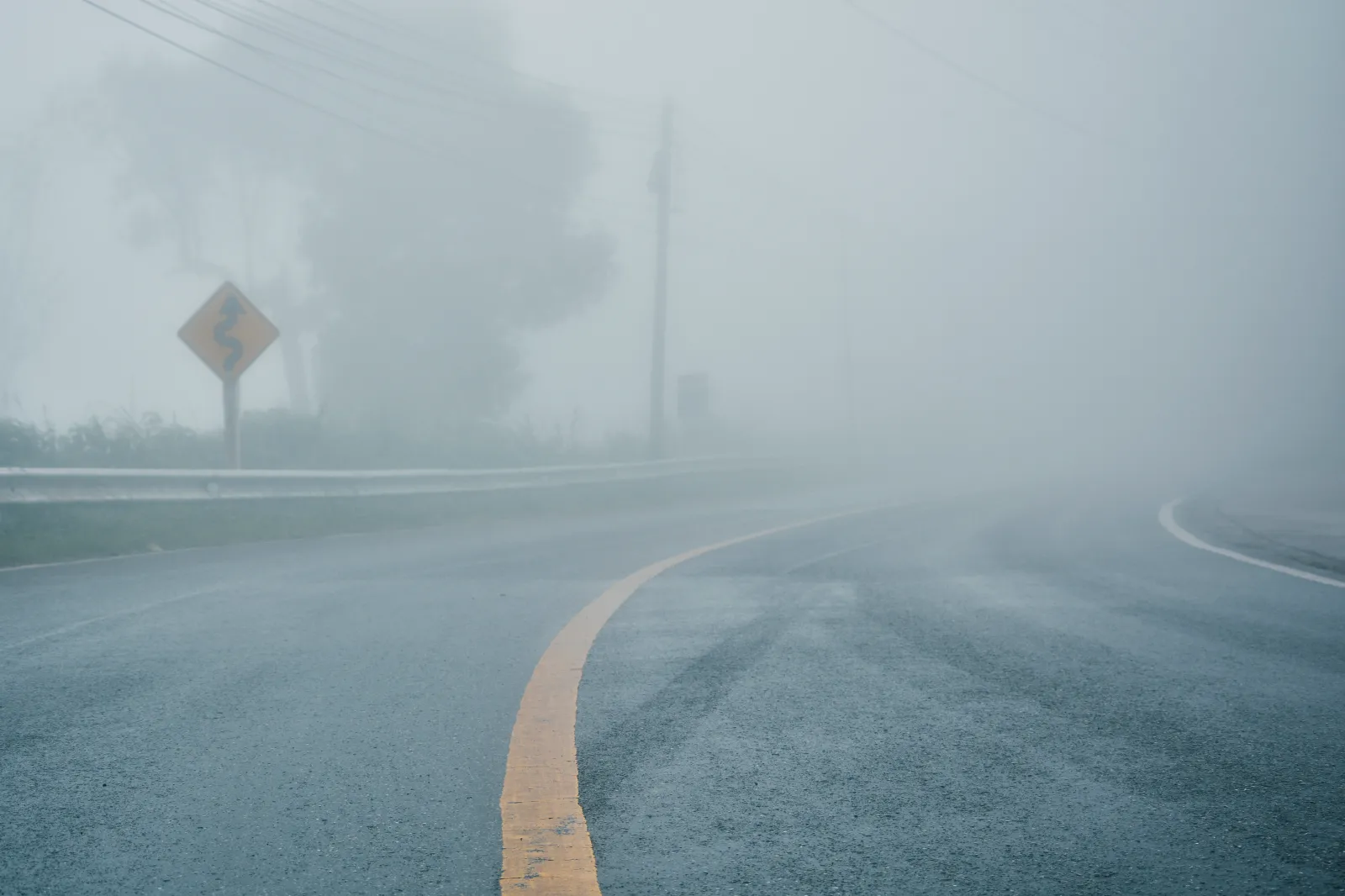
About 2 million people in central California were warned of "high transportation risk" on Wednesday morning as National Weather Service (NWS) meteorologists urged people to avoid travel until dense fog in the area diminished.
Dense fog advisories have been issued for large sections of California's San Joaquin Valley, affecting transportation for over 2 million residents and travelers. The affected region includes critical travel corridors such as Interstate 5, State Route 99 and State Route 198, which are heavily trafficked by commuters and freight. Reduced visibility during peak morning hours significantly increases the risk of road accidents and can impede commercial and local travel.
NWS meteorologist Brian Ochs told Newsweek that fog is typical for this part of California during the winter months.
Read More on U.S.
"Low visibility could make driving conditions hazardous," the NWS office in Hanford said in the dense fog advisory.
...
The office issued dense fog advisories covering much of the San Joaquin Valley from Fresno County southward on Wednesday morning. The advisories remain in effect until 11 a.m. Pacific time.
Areas specifically highlighted include Bakersfield, Buttonwillow, Lost Hills, Delano, Wasco, Shafter, Alpaugh, Richgrove, Selma, Fresno, Hanford, Corcoran, Lemoore, Visalia, Porterville and surrounding communities.
The advisories warn that visibility may be reduced to a quarter mile or less because of dense fog.
"If driving, slow down, use your headlights, and leave plenty of distance ahead of you," the advisory said.
The agency advises that motorists traveling through the affected corridors—particularly I-5, SR-99, SR-152 and SR-198—should use extreme caution.
NWS Hanford meteorologists warned of dense fog on Tuesday as well, and the California Department of Transportation issued a message on Monday about how the fog had returned to the region this week. More dense fog advisories could be issued should conditions require the alerts.
In addition to the fog advisories, the broader area is contending with other weather-related hazards. A dry cold system is bringing significantly lower temperatures, with the high Sierra Nevada mountains above 9,000 feet experiencing morning wind chills as low as 10 degrees Fahrenheit below zero.
Freeze warnings, cold weather advisories and additional alerts have also been issued across the region. Residents and travelers are encouraged to remain alert and prepared for winter conditions.
Travelers should monitor weather alerts and road conditions before setting out. Those using central travel corridors should anticipate possible delays and consider altering departure times to after the advisory expires.
As colder temperatures and winter storms continue to affect the region, additional weather advisories may be issued. The National Weather Service continues to provide updates and recommends that anyone in the San Joaquin Valley and high Sierra remain informed through official channels.
View 0 Comments
Submit Correction
View Editorial & AI Guidelines