...


By Dan Gooding and Gabe Whisnant
0
Share
Newsweek is a Trust Project member
See more of our trusted coverage when you search.Prefer Newsweek on Googleto see more of our trusted coverage when you search.
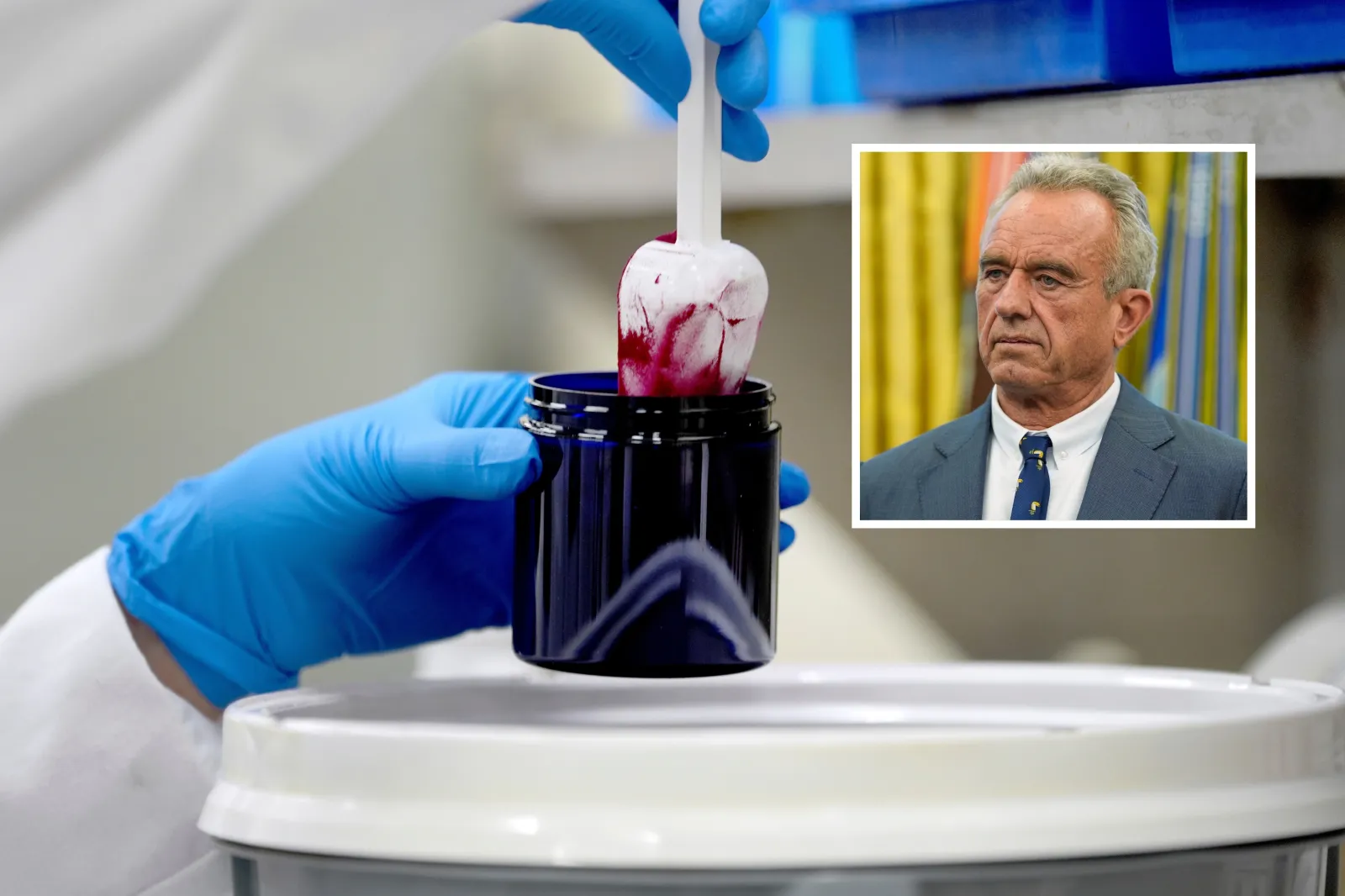
The U.S. Food and Drug Administration (FDA) approved three new natural color additives for use in foods amid the Trump administration's push to eliminate petroleum-based dyes from the nation's food supply.
"Today we take a major step to Make America Healthy Again," Health and Human Services Secretary Robert F. Kennedy Jr. said in a press release. "For too long, our food system has relied on synthetic, petroleum-based dyes that offer no nutritional value and pose unnecessary health risks. We're removing these dyes and approving safe, natural alternatives—to protect families and support healthier choices."
Why It Matters
The move announced on Friday aligns with the Department of Health and Human Services' (DHS) "Make America Healthy Again" initiative, led by Secretary Kennedy who has previously emphasized the elimination of synthetic dyes and vowed to replace them with natural alternatives.
Read More on Politics
...
What To Know
The newly approved color additives include:
- Galdieria extract blue, derived from red algae and approved for a wide range of beverages and dairy products
- Butterfly pea flower extract, which produces shades of blue, purple and green and can now be used in cereals, chips and snack mixes
- Calcium phosphate, a white colorant approved for items such as chicken products and sugar coatings
In April, the FDA said it would replace eight synthetic food dyes in the U.S. food supply by 2026. They have been found to have no nutritional value and are only added for aesthetic reasons, per the Center for Science in the Public Interest (CSPI).
Several dyes have been banned in California, having been linked to hyperactivity, allergic reactions and cancer risks in animal studies. The FDA commissioner said in April that he believed U.S. children have been living in a growing "toxic soup" of synthetic chemicals.
The dyes being phased out include Red 3, Red 40, Yellow 5, Yellow 6, Blue 1, Blue 2, Green 3, Citrus Red 2 and Orange B, often used in processed foods, including cereal, candy and desserts.
Health advocacy groups have pushed for the change for several years, but the FDA has been reluctant to change policy in the past, despite counterparts in Canada and Europe moving toward more natural alternatives. It currently permits 36 food color additives, including eight synthetic dyes.
In January, it moved to ban Red 3—a dye found in candies, cakes and medications—after studies linked it to cancer in laboratory animals. The ban takes effect in 2027.
In announcing the replacements on Friday, the FDA said multiple food companies had already promised to remove the synthetic chemicals, making the 2026 target more likely.
What People Are Saying
FDA Commissioner Martin A. Makary, in a press release: "FDA staff have been moving quickly to expedite the publication of these decisions, underscoring our serious intent to transition away from petroleum-based dyes in the food supply and provide new colors from natural sources."
What Happens Next
The FDA said that it had determined that the new dyes were safe for consumption following testing and that they could now be used by any manufacturer for their approved uses.
Update 5/9/25, 12:15 p.m. ET: This story was updated with additional information.
View 0 Comments
Submit Correction
View Editorial & AI Guidelines