
...
By Brendan Cole
Senior Reporter
0
Share
Newsweek is a Trust Project member
See more of our trusted coverage when you search.Prefer Newsweek on Googleto see more of our trusted coverage when you search.
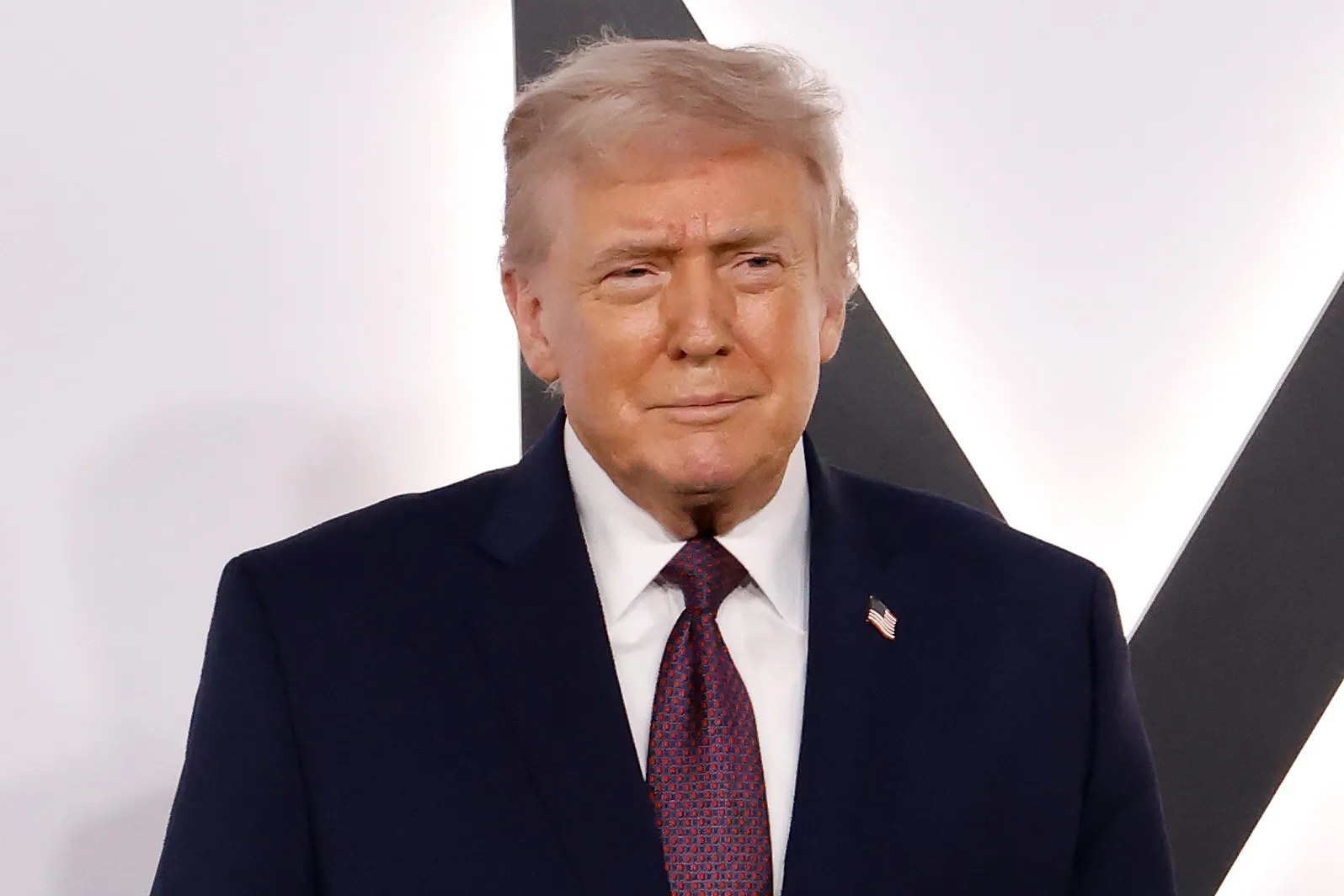
U.S. President Donald Trump has imposed tariffs on goods from countries trading oil with Cuba, only days after saying the Communist-led island was failing.
On Thursday, Trump signed an executive order imposing levies on goods from countries selling or supplying oil to Cuba, whose officials condemned the move.
Newsweek has contacted the Cuban Foreign Ministry for comment.
Read More on News
Why It Matters
Cuba had relied heavily on oil shipments from allies such as Venezuela before a U.S. military operation ousted Venezuelan President Nicolás Maduro, whose capture has hit the Cuban economy hard.
Trump's order punishing any country trading oil with Cuba would add to the economic woes and put pressure on Mexico, which has supplied energy and given support to the island even as President Claudia Sheinbaum seeks good ties with Washington.
...
What To Know
Trump issued an executive order on Thursday that said Cuba's policies, practices and actions constituted "an unusual and extraordinary threat" to the national security of the U.S.
The order said the Cuban government backed hostile countries and "malign actors adverse to the United States," adding that it hosts Russia's largest overseas signals intelligence facility and builds intelligence and defense cooperation with China.
It also said Cuba had ties with transnational terrorist groups, such as Hezbollah and Hamas, allowing them to destabilize the Western Hemisphere.
"The communist regime persecutes and tortures its political opponents; denies the Cuban people free speech and press; corruptly profits from their misery; and commits other human-rights violations," the order said.
The order announced tariffs effective on Friday on goods imported into the U.S. that are products of any other country that directly or indirectly sells or provides oil to Cuba.
Trump told a reporter on Thursday that he was not trying to choke Cuba, but that it would not be able to survive. Cuban Foreign Minister Bruno Rodríguez called the order a "brutal act of aggression against Cuba and its people … who are now threatened with being subjected to extreme living conditions."
Thomas O'Donnell, an energy analyst in Berlin who produces the website Global Barrel, told Newsweek that the Trump administration sought to push the Cuban regime toward collapse by depriving the country of oil.
Washington could also be looking to force the old regime in Havana to agree to something like what interim Venezuelan leader Delcy Rodríguez accepted after Maduro's removal—a deal under duress for a managed transition.
The transition model would also see domestic free-market economic reforms alongside a detailed, preferential reintegration with the U.S. economy. They would also have to accomplish advances in the governance capacities of ministries and ministerial employees.
Trump's move also adds pressure on Mexico, whose state-owned oil company—Pemex—said it shipped almost 20,000 barrels of oil per day to the island in the first nine months of 2025, a figure that has fallen to 7,000 barrels.
Sheinbaum said Pemex had paused some oil shipments to Cuba, but that it had been made under pressure from the U.S. She has said Mexico will continue to show solidarity with Havana.
What People Are Saying
U.S. President Donald Trump said in the executive order: "The United States has zero tolerance for the depredations of the communist Cuban regime."
Responding to a question on whether he was trying to "choke off Cuba," Trump told a reporter: "The word 'choke off' is awfully though. Cuba is a failing nation. You have to feel badly for Cuba. They've treated people very badly. We have a lot of Cuban Americans who really were treated very badly, and they'd probably like to go back. No, I'm not trying to, but it looks like it's something that it's just not going to be able to survive. I think Cuba will not be able to survive."
Mexican President Claudia Sheinbaum said of her country's pause of oil shipments to Cuba: "Suspending is a sovereign decision and is taken when necessary."
Energy analyst Thomas O'Donnell told Newsweek: "It's obvious that the Trump administration is aiming to push the Cuban regime toward collapse via starving the island of oil."
What Happens Next
It is unclear what the order will mean for Cuba, which has faced a U.S. embargo for decades, but it adds to speculation over whether the U.S. will take a direct role in intervening in the country, emboldened by the capture of Maduro.
Meanwhile, Mexico and other Latin American nations could face more pressure as Trump prioritizes controlling the Western Hemisphere.
Update 1/30/26, 6:23 a.m. ET: This article has been updated with a comment from Thomas O'Donnell.
In a polarized era, the center is dismissed as bland. At Newsweek, ours is different: The Courageous Center—it's not "both sides," it's sharp, challenging and alive with ideas. We follow facts, not factions. If that sounds like the kind of journalism you want to see thrive, we need you.
When you become a Newsweek Member, you support a mission to keep the center strong and vibrant. Members enjoy: Ad-free browsing, exclusive content and editor conversations. Help keep the center courageous. Join today.


View 0 Comments
Submit Correction
View Editorial & AI Guidelines