...

By Gabe Whisnant
News Editor
0
Share
Newsweek is a Trust Project member
See more of our trusted coverage when you search.Prefer Newsweek on Googleto see more of our trusted coverage when you search.
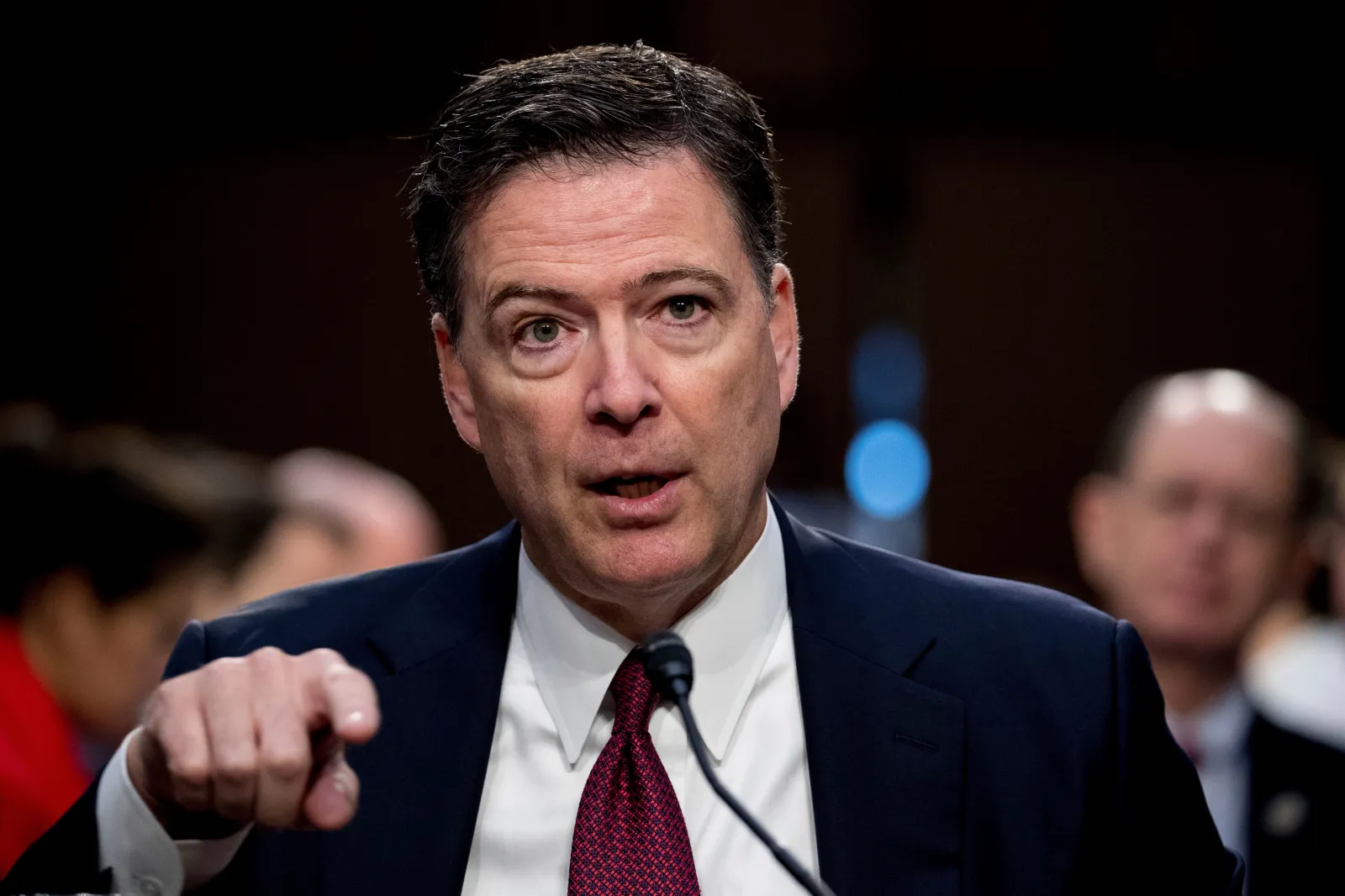
A federal judge on Wednesday ordered prosecutors to turn over key evidence in the criminal case against former FBI Director James Comey, expressing concern that the Justice Department may have “indicted first and investigated later.”
Magistrate Judge William Fitzpatrick directed prosecutors to provide by Thursday evening grand jury materials and other evidence seized during the yearslong investigation.
Why It Matters
At the center of the dispute are materials obtained from Daniel Richman, a Columbia University law professor and longtime Comey confidant.
Read More on U.S.
What To Know
The order came after Comey’s attorneys argued they were at a disadvantage because they had not reviewed evidence collected years ago. Comey, who attended the hearing but did not speak, is charged with lying to Congress in 2020—a case filed just days after President Donald Trump publicly called for his prosecution. He has pleaded not guilty, calling the case politically motivated and demanding that it be dismissed.
...
In court filings earlier this week, the Justice Department defended Trump’s public comments, arguing that his call for prosecution reflected a “legitimate prosecutorial motive” and did not warrant dismissal of the case. Comey’s trial is expected to test the extent of political influence over the department’s decisions during Trump’s second term.
Investigators executed search warrants on Richman’s devices in 2019 and 2020. Prosecutors allege Comey authorized Richman, who served as a special government employee at the FBI, to share information with reporters and later lied to Congress by denying that he had allowed anyone to act as an anonymous source. Comey’s defense team says his congressional testimony referred specifically to whether he had authorized former Deputy Director Andrew McCabe to speak to the press, not Richman.
Comey’s lawyers said they have never reviewed the seized communications and therefore cannot determine whether any of the material is privileged. Fitzpatrick ordered prosecutors to immediately correct that. “We’re going to fix that, and we’re going to fix that today,” he said from the bench.
The indictment was issued shortly after Trump urged Attorney General Pam Bondi on social media to take action against Comey and other perceived political enemies. The case was brought by Lindsey Halligan, a former Trump White House aide and lawyer who became U.S. attorney following the resignation of a longtime federal prosecutor who reportedly resisted pressure from the administration to pursue charges against Comey and New York Attorney General Letitia James.
What People Are Saying
Judge Fitzpatrick told DOJ lawyers on Wednesday, “The procedural posture of this case is highly unusual.”
Former FBI Director James Comey, after his indictment: “My family and I have known for years that there are costs to standing up to Donald Trump…We will not live on our knees, and you shouldn’t either.”
Comey, in a legal filing seeking dismissal of the charges: “Fundamental to any false-statement charge are both clear questions and false answers. Neither exists here.”
What Happens Next
In the coming weeks, the Justice Department must respond to Comey’s motions to dismiss his indictment. A hearing set for November 13 will address Halligan’s appointment and could determine whether the case proceeds or is thrown out entirely.
If the court rules that the indictment or appointment is invalid, prosecutors may be barred from refiling because the statute of limitations has expired.
This article includes reporting by the Associated Press.
11/5/25, 5:17 p.m. ET: This article was updated with new information and remarks.
View 0 Comments
Submit Correction
View Editorial & AI Guidelines