...

By Steve Mollman
News Editor
0
Share
Newsweek is a Trust Project member
See more of our trusted coverage when you search.Prefer Newsweek on Googleto see more of our trusted coverage when you search.
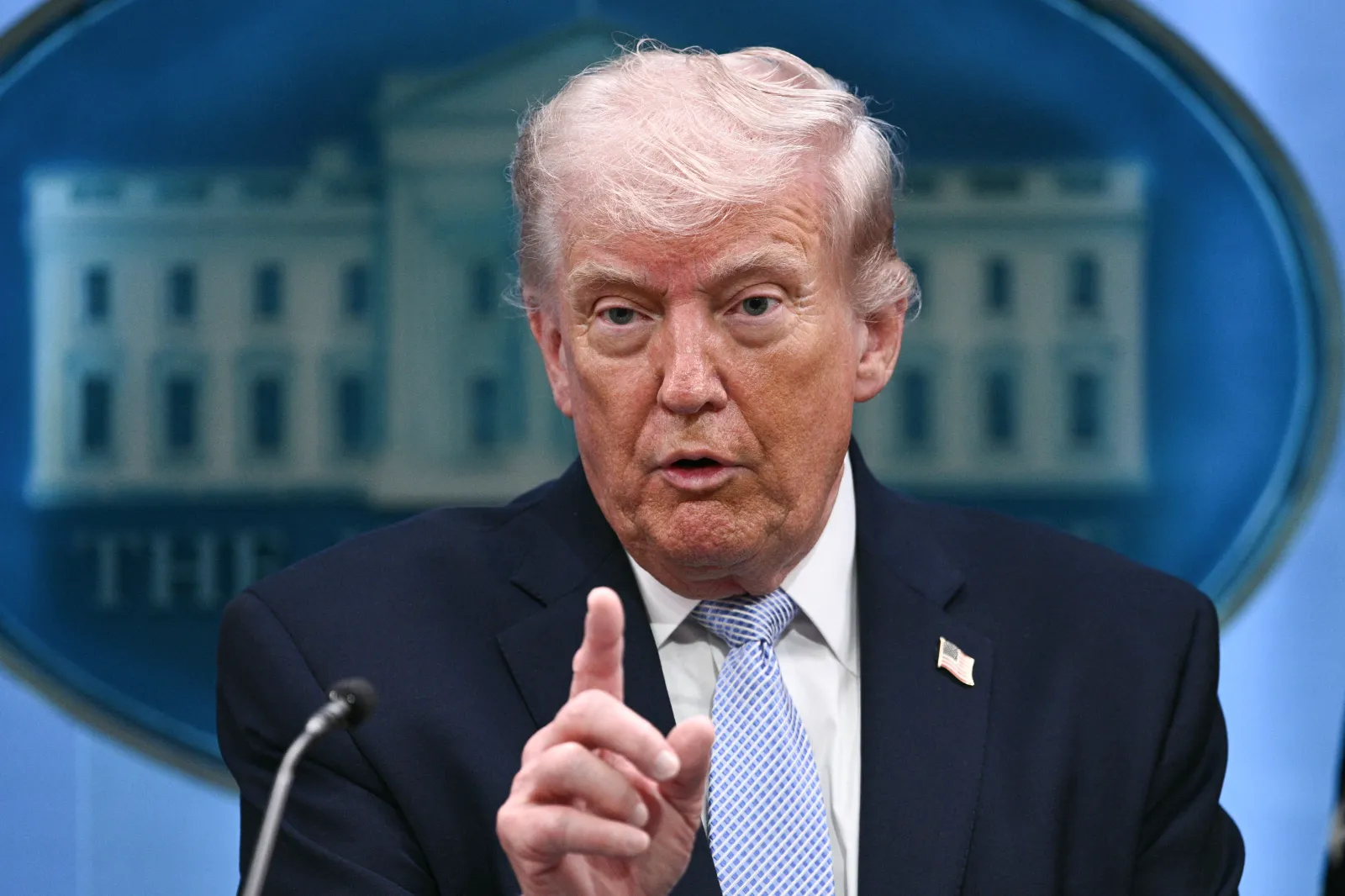
President Donald Trump on Thursday accused Iran of failing to uphold a newly announced U.S.–Iran ceasefire that was intended to stabilize global oil supply, saying Tehran was not allowing oil shipments to move freely through the Strait of Hormuz.
In a post on Truth Social, Trump wrote: “Iran is doing a very poor job, dishonorable some would say, of allowing Oil to go through the Strait of Hormuz. That is not the agreement we have!”
Trump’s comments underscored fresh uncertainty about whether the two‑week ceasefire, announced earlier this week and closely tied to oil flows through Hormuz, will hold.
Read More on U.S.
Why It Matters
The comments sharpen tensions surrounding the fragile detente between Washington and Tehran and raise questions about whether it will hold as negotiations are set to continue this weekend in Pakistan.
The Strait of Hormuz is one of the world’s most critical energy choke points, handling roughly a fifth of global oil and liquefied natural gas shipments. Iran effectively closed the strait during the war launched by the U.S. and Israel, sending energy prices sharply higher before the ceasefire announcement.
...
What to Know
Trump has repeatedly said reopening the waterway was a central condition of the agreement. His latest remarks suggest dissatisfaction with Iran’s compliance, as reports indicate Tehran has restricted traffic and explored charging fees for passage.
In separate Truth Social posts earlier Thursday, Trump warned that Iran “better stop now” if it is charging oil tankers to transit the strait, signaling that any tolls or limitations would not be acceptable under the deal.
Iranian officials have indicated the country may reopen the strait in a limited way and under Iranian control ahead of upcoming talks with U.S. representatives. A senior Iranian official told Reuters that restricted passage could begin within days, while industry groups have said Iran has discussed imposing fees on vessels passing through the waterway.
The dispute over Hormuz comes amid broader strains on the ceasefire, including Israel’s continued military operations in Lebanon, which both Iran and some international leaders say undermine the spirit of the agreement.
What People Are Saying
Trump, earlier Thursday on Truth Social: "There are reports that Iran is charging fees to tankers going through the Hormuz Strait — They better not be and, if they are, they better stop now!"
U.K. Prime Minister Keir Starmer, to reporters on whether Israeli strikes in Lebanon represented a breach of the ceasefire: "It's hard to say that there is a breach when we haven't all got access to all the details of the ceasefire. But let me be really clear about it. They're wrong. That shouldn't be happening. That should stop."
Iranian Foreign Minister Abbas Araghchi, referencing Israeli Prime Minister Benjamin Netanyahu, on X Thursday: “Netanyahu's criminal trial resumes on Sun. A region-wide ceasefire, incl in Lebanon, would hasten his jailing. If the U S. wishes to crater its economy by letting Netanyahu kill diplomacy, that would ultimately be its choice. We think that would be dumb but are prepared for it."
White House press secretary Karoline Leavitt, last month: “Once the national security objectives of Operation Epic Fury are fully achieved, Americans will see oil and gas prices drop rapidly, potentially even lower than they were prior to the start of the operation, and we will live in a world where Iran can no longer threaten the United States or our allies with a nuclear bomb."
What Happens Next
Negotiations between U.S. and Iranian officials are scheduled for this weekend in Islamabad, where the status of the Strait of Hormuz is expected to emerge as a core issue. At the moment, Trump’s criticism underscores how quickly the truce could unravel if oil flows are not restored as promised.
View 0 Comments
Submit Correction
View Editorial & AI Guidelines