...

Brendan Cole and Frances Mau
Senior Reporter
0
Share
Newsweek is a Trust Project member
See more of our trusted coverage when you search.Prefer Newsweek on Googleto see more of our trusted coverage when you search.
A jab from Donald Trump saying NATO allies failed to contribute on the frontlines of the Afghanistan war has added insult to injury for an alliance already battered from a week that threatened its existence.
British veterans and political leaders were among those on Friday who expressed outrage over the president's comments, which appeared to ignore that 457 British soldiers were killed fighting alongside the U.S. in Afghanistan. The UK prime minister called Trump's remarks "insulting and frankly appalling."
But Trump has been confident in his second term, antagonizing NATO allies who went to war for the US. He's gone beyond antagonizing; he's even threatened military action.
Read More on News
After removing Venezuela’s leader, Nicolas Maduro, Trump renewed his sights on Greenland—a territory belonging to Denmark, a long-time U.S. and NATO ally.
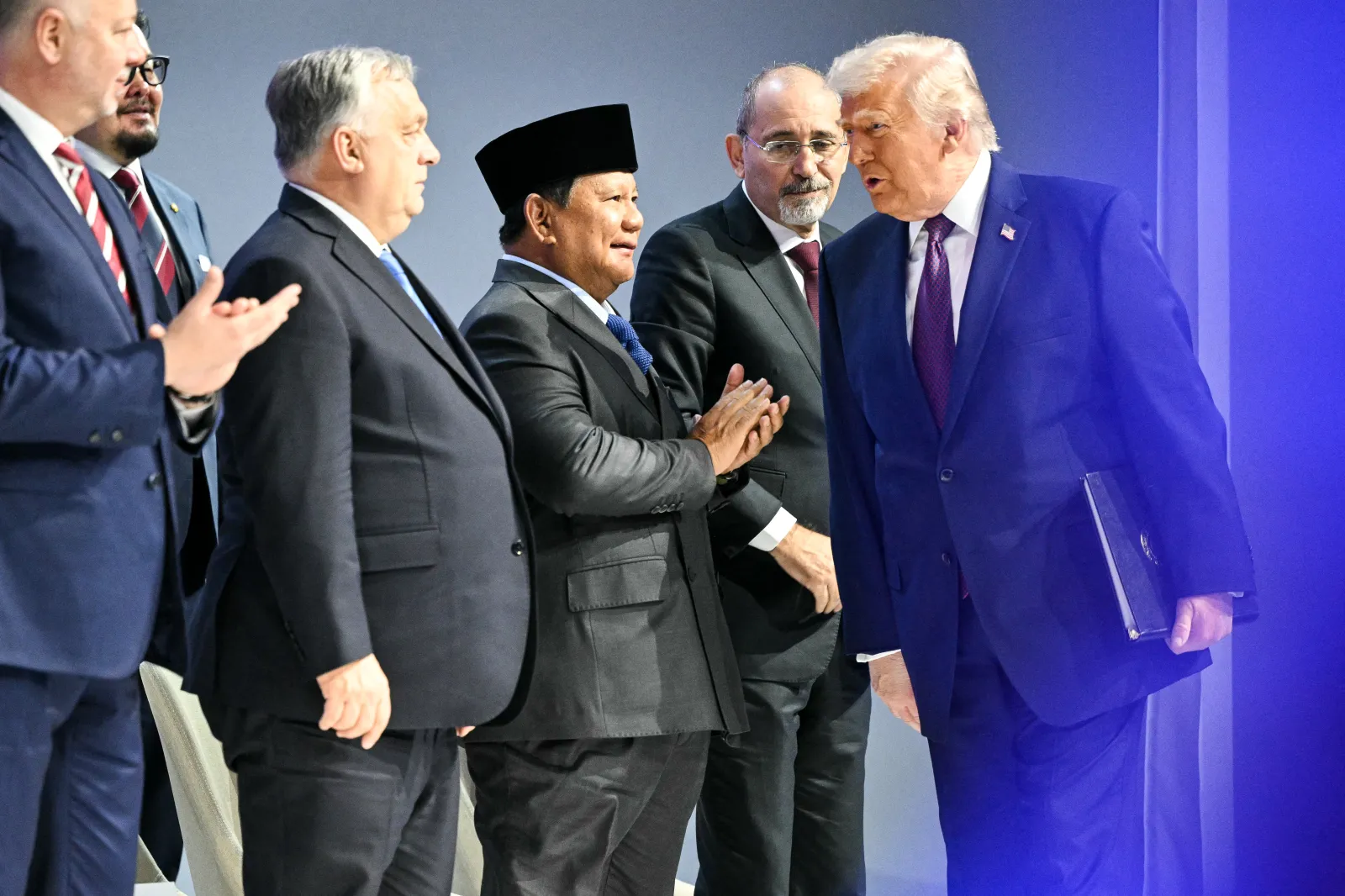
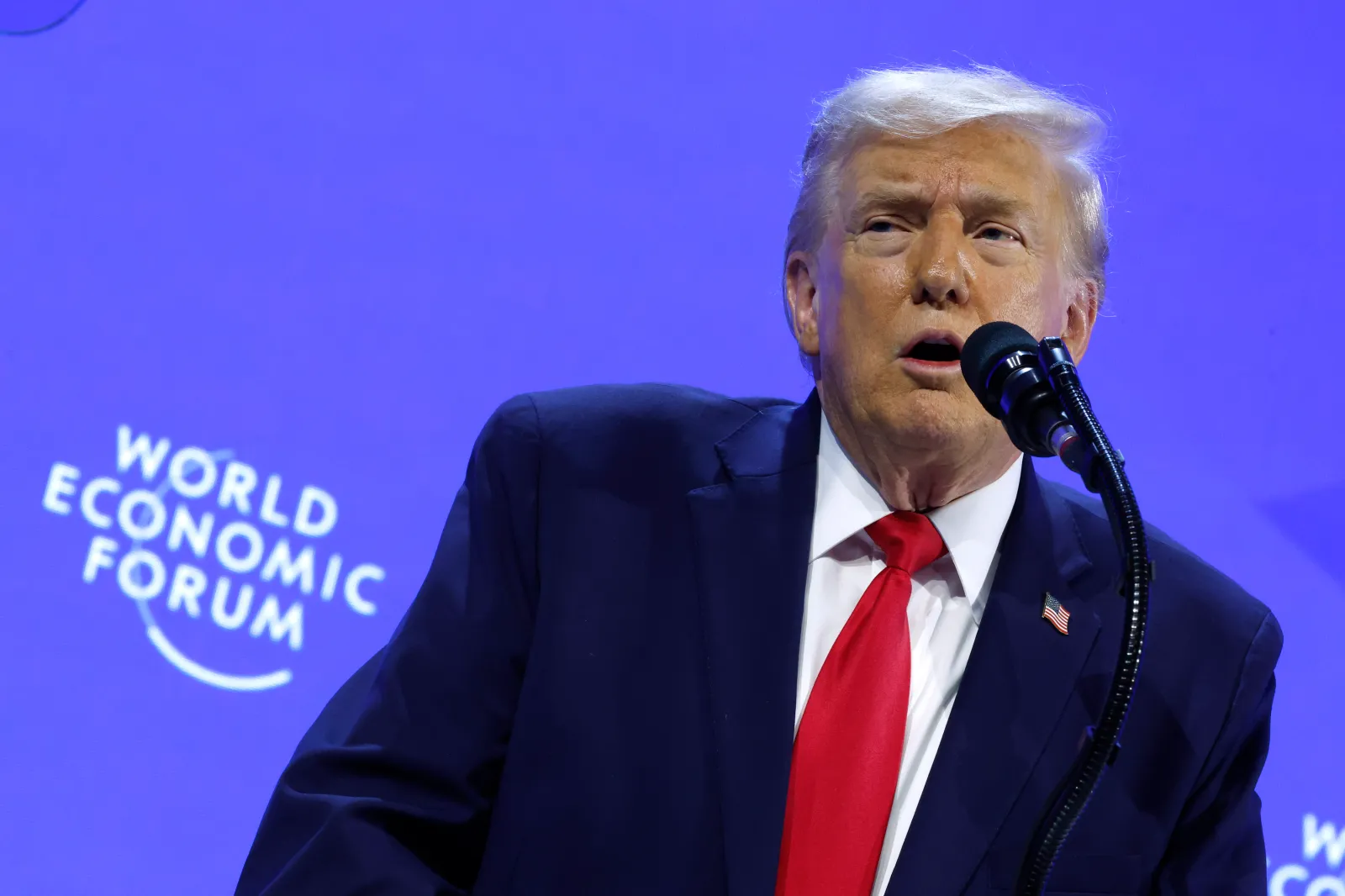
Despite warnings from Europe, Trump charged his way into the meeting of world leaders at Davos this week, insisting U.S. acquisition of Greenland was a fait accompli.
In the end, a deal was met between both sides. But Europe won't forget anytime soon the hostile military and economic threats that preceded it.
Trump’s actions this week “permanently and irrevocably damaged the NATO alliance,” says Andrew Fox, from the London-based Henry Jackson Society think tank.
U.S. politics expert Mark Shanahan said Trump's rhetoric showed “we must now consider a post-NATO world.”
NATO leaders at the World Economic Forum conference this week said as such, in more veiled language. But the White House told Newsweek on Friday, "The United States is the only NATO partner who can protect Greenland, and the President is advancing NATO interests in doing so.”
...
Greenland Framework Achieved, but at What Cost?
Trump backed out of imposing further tariffs against eight European countries after coming to a “framework of a future deal” with NATO boss Mark Rutte.
The deal will allow for expanded military activity under an updated interpretation of a 1951 agreement.
NATO officials discussed the U.S. obtaining sovereignty over land for military bases, according to reports, on a plan that could resemble the agreement the UK has with Cyprus to run its own bases on land regarded as UK territory. This could see U.S. control of the bases independent of the NATO alliance, rights too that could not be revoked by either NATO or Denmark.
But it was a bruising way to get there for not much more U.S. power in the Arctic.
“While details of the announced understanding between the NATO Secretary General and President Trump on Greenland remain unclear, real political scar tissue will linger,” said Roger Hilton, defense research fellow at the Slovakia-think tank GLOBSEC.
NATO Trust Shattered
At Davos, Trump repeatedly downplayed the commitment of NATO countries to the alliance's collective defence—despite European countries raising their defence spending in the past year.
Such attacks have destroyed the alliance’s trust in its largest member, analysts say. With Trump hinting for weeks that he was willing to launch military action against Denmark to seize Greenland, the U.S. president “single-handedly shattered the most successful alliance in history", which had endured since World War II.
“Alliances are built on trust, and Mr Trump’s unwarranted, relentless verbal attacks and threats against NATO allies have shattered that trust,” said Fox, a British military veteran who served in Afghanistan.
“It is now unthinkable that the US might respond to Article 5 in the event of a further Russian incursion into Eastern Europe," he told Newsweek, referring to the alliance's fundamental principle of collective defence. The idea has always been that if one of the members were to come under attack, the rest of the alliance would come to that member's aid.
It was under that justification that the UK and other European countries went to war in Afghanistan and Iraq with the US, after the 9/11 attacks.
“NATO will continue in zombie form, but European nations will now look elsewhere for their defense," said Fox. He also points out that: "The US is now so unpopular amongst European electorates that no country in Europe would accept the deployment of their sons and daughters in defense of the USA."
...
Earlier in the week at Davos, Canadian Prime Minister Mark Carney told an audience in Davos that the old-world order was in the "midst of a rupture” and middle-power democracies should look to recalibrate their relationships with the most powerful countries.
He didn't name the U.S., but warned against great powers wielding economic pressure and undermining the international rules-based order.
“The middle powers must act together, because if we’re not at the table, we’re on the menu," he said. His speech drew a standing ovation from those in the room.
Shanahan, associate professor at the University of Surrey in England, said that Trump’s statements at Davos were ominous for NATO and other multilateral organizations.
“We must now consider a post-NATO world, with, as Mark Carney suggested, ‘different coalitions for different issues’—the western world can no longer see America as an assured ally,” Shanahan added.
Meanwhile, Hilton said Trump’s remarks questioning whether allies would defend one another, negotiating tactic or not, strike at NATO’s core. While they undermine US and European security, they're a boon for the U.S.'s traditional adversaries.
“The Alliance rests as much on credibility and shared political commitment as on treaties, and those comments degrading both were undoubtedly music to the ears in the Kremlin," Hilton added.
The Gaza 'Board of Peace' Debacle in the Background
Trump also launched his controversial Board of Peace at Davos on Thursday. Announced originally as part of his plan for peace in Gaza, it has since been expanded to be what analysts say looks like a rival to the UN.
Trump extending an invitation to Russian President Vladimir Putin to join his Board of Peace drew criticism from the U.S.'s traditional allies.
The UK declined to accept an invitation based on this element alone.
Russia, meanwhile, says it's examining the invitation, but Putin wants to meet the $1billion price tag Trump is demanding from its sovereign assets frozen in the U.S.
The presence of an adversary in a global body supposed to oversee peace around the world would add to concerns that Trump will favor Putin in negotiations over ending the war in Ukraine, which started because of Moscow's invasion.
Trump has extended courtesies to old foes while attacking old friends. Security analysts have questioned how this makes the U.S. safer.
Trump’s remarks that he was insulted to have not been given the Nobel Peace Prize and thus felt: “I no longer feel an obligation to think purely of peace” are likely to have added to NATO’s concerns.
“The long-awaited NATO obituary will have to wait,” said Hilton, ”but there is no minimizing that the latest episode of transatlantic turbulence ahead of Davos pushed the Alliance into its most serious political stress test in decades.”
View 0 Comments
Submit Correction
View Editorial & AI Guidelines