...

By Peter Roff
Newsweek Contributing Editor
0
Share
Newsweek is a Trust Project member
See more of our trusted coverage when you search.Prefer Newsweek on Googleto see more of our trusted coverage when you search.
The "Affordability Crisis," as some are calling it, has seniors and others on fixed incomes spooked. Millennials are concerned they’ll never be able to afford a home, and the rest of us are getting walloped at the grocery store.
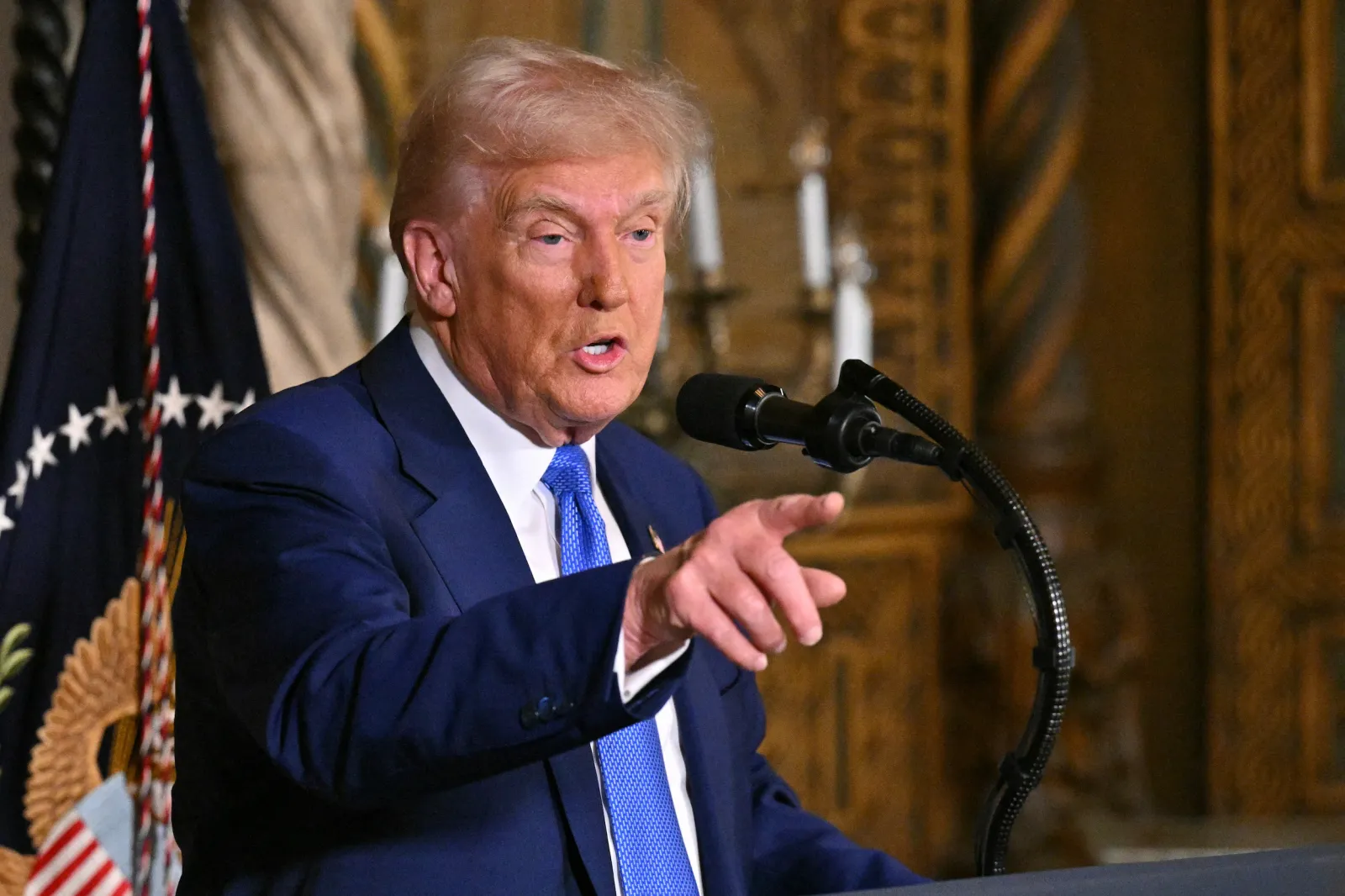
President Donald Trump is right to hit the stump and confront the problem head-on. Still, he and his advisers are wrong to accept blame for the problem as the motivation for fixing it. Like much of what ails us, the Affordability Crisis was caused by President Joe Biden. The sticker shock that nearly half the country says they experience when they shop is the morning-after hangover left over from the Biden subsidy and spending binge.
For four years under Biden, too much money coming out of Washington chased too few goods and services. That, as the late economist and former Newsweek columnist Milton Friedman made clear, is what causes inflation.
Read More on Opinion
...
Eventually, the alarming rate of price increases driven by Biden policies slowed. Under Trump, core inflation is now below 3 percent. That’s good, even if the price of some items like beef, lawn care and legal fees have not come down.
From an economic perspective, that’s not necessarily bad. As hard as it is to stomach, a repaid decline in the price of goods and services would mean deflation, something that is just as bad, if not worse, than the price spikes we went through under Biden.
For Trump to get the public to place blame on Biden, he must rely on facts, not just rhetoric. Fortunately for him, they are on his side.
Consider the wealth gap. For all the talk of the rich getting richer faster under Trump, the poor have gotten richer, too. Maybe not as quickly and not by as much, but by enough to make a meaningful difference in their lives as well as in the life of the nation. Under Biden, wages fell, creating a gap that university professors, media economists, and Democratic Party pundits didn’t talk about much. People earned less while doing the same job, and the amount in people's pockets shrank because prices were rising, sometimes by as much as 9 percent.
Under Trump, as the White House has been trying to demonstrate, wages are rising faster and higher, prices are rising, but not by as much, and the gap is closing.
The best news—and best evidence that better days lie ahead—is the 4.3 percent growth in the economy in the third quarter. As more than one economist has pointed out, that’s a sign of health, not near collapse. Likewise, the most recent joblessness numbers, while—on the surface—disappointing, contained some good nuggets. One of them is that the U.S. government payroll shrank appreciably as the private sector created more jobs.
There’s a long way to go before we get to another “long boom,” but most of the indicators suggest we’re on our way. Even the Trump tariffs, which raised prices on a few particular products, haven’t sparked inflation across the economy. That fact, despite what the economists and other so-called experts in the chattering classes predicted, is an additional reason for forecasters to rethink how they practice their art.
Some prices have declined. Frozen vegetables, for example, are down 4 percent. Peanut butter is cheaper, as are airline tickets, dishes and flatware, pork chops, televisions, and smartphones. Eggs are 13 percent less expensive. The biggest problem, though, is the cost of housing. Rent is high, especially in the blue urban areas. The price of a single-family home has many young families telling pollsters they believe they will never be able to afford one.
Part of the problem is psychological, which can be overcome. Rather than offer additional subsidies to first-time homebuyers, however, which would be a typical Washington solution, Trump needs people to understand why the market is so pinched. There really is no evidence to support the claims made by Vice President JD Vance and others around the president that immigrants, legal and otherwise, have monopolized the stock of available affordable housing.
The problem is the way the government, through regulations, has made the construction of new homes so difficult and, if they can be built, has added to their construction costs. The government has too many rules and fees that distort the market, creating an artificial cap on the number of new units available at any given time. Lack of supply drives up prices, something even the demand-siders recognize.
Further deregulation of anything to do with housing, from easing land use restrictions to blocking bans on the kind of fuels that can be used to heat and cool them, would go a long way toward making homes affordable again.
That’s the way to address affordability. Washington policymakers will never be competent enough or astute enough to set prices. They should focus on creating an environment where money is stable and wages can rise naturally. That’s how to make things affordable again.
Peter Roff is a Newsweek contributing editor, experienced journalist and commentator who has contributed to various media outlets. He has produced highly-regarded analyses of U.S. politics and public policy for a quarter of a century. He appears regularly on U.S. and international media platforms, can be followed on social media @TheRoffDraft and can be reached via RoffColumns@Gmail.com.
The views expressed in this article are the writer's own.
View 0 Comments
Submit Correction
View Editorial & AI Guidelines